
Humans May Have Been Getting High on Weed 2,800 Years Ago. Cannabis Seeds and Hair With Traces of THC Were Found in an Ancient Tomb
A tomb discovered in Siberia and associated with Scythians—a nomadic, horse-riding people that once roamed the Eurasian steppe—might provide the earliest direct evidence of cannabis use

Cannabis is one of the world’s most widely used psychoactive plants, with millions of people inhaling and ingesting it for its mind-altering effects. But new research suggests our current relationship with weed is nothing new.
A study published November 5 in the journal Science suggests humans have been getting high on weed for at least 2,800 years—centuries longer than previously thought. The findings seem to offer the earliest direct evidence of cannabis use.
Researchers have long been interested in how ancient people used cannabis. Yet studying it has proven tricky because plants are rarely preserved over long periods of time. Since cannabis has many uses, including the production of oil and fiber, it’s even more challenging to determine whether and when individuals were using it specifically to get high.
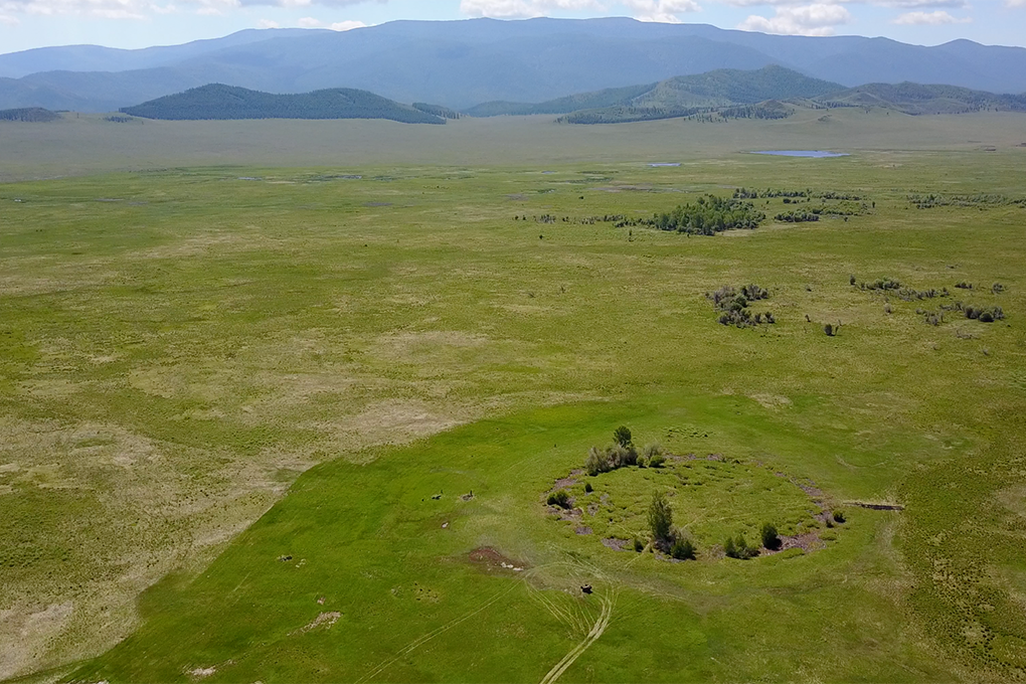
In 2017, archaeologists digging in southern Siberia discovered a huge 2,800-year-old tomb that contained the remains of several high-status individuals. The site, called Tunnug 1, is associated with the Scythians, a nomadic, horse-riding culture that occupied the Eurasian steppe from the ninth to the third century B.C.E.
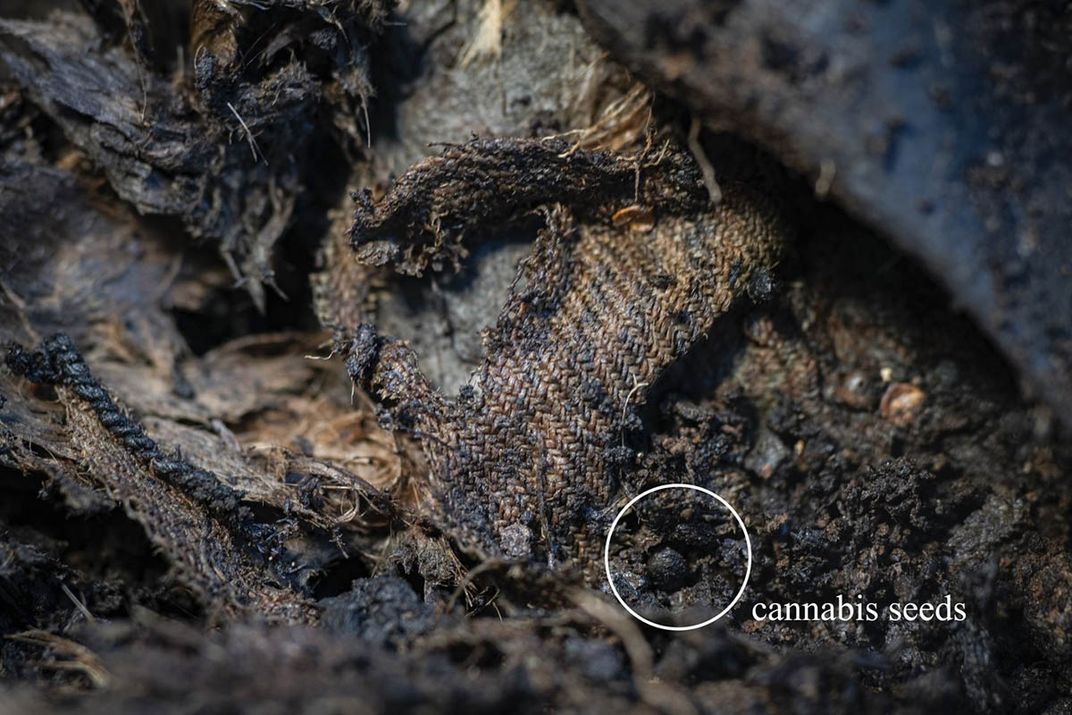
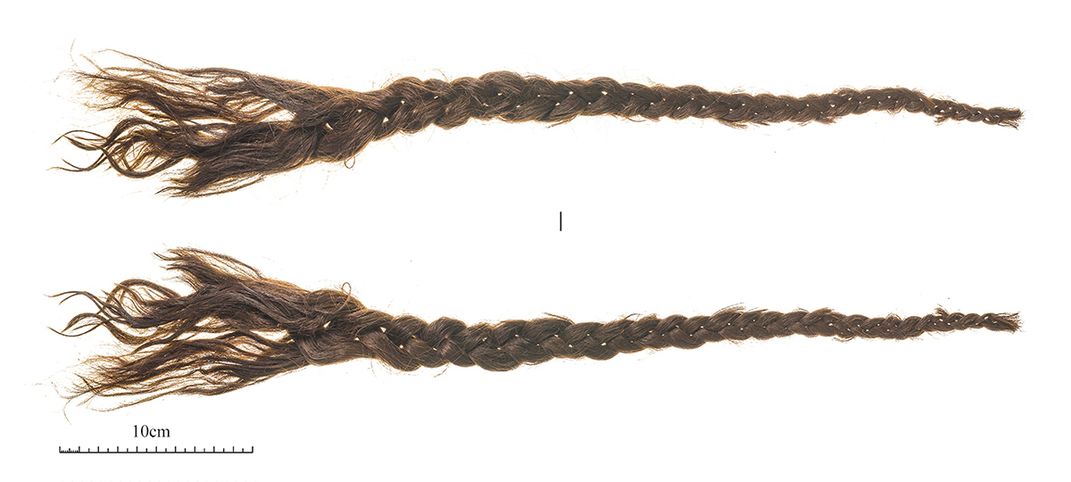
Excavations turned up numerous artifacts, from weapons and animal statues to pieces of gold jewelry and horse gear. But the researchers also found nearly 1,500 whole or partial cannabis seeds at the site, as well as preserved human hair, which allowed them to explore whether the Scythians might have been getting high.
“It’s only so often as an archaeologist that you get to drug test a person that’s been dead for nearly 3,000 years,” lead author Gino Caspari, an archaeologist at the University of Bern in Switzerland and the Max Planck Institute of Geoanthropology in Germany, tells the New York Times’ Annie Roth.
Radiocarbon dating traced the seeds to the early eighth century B.C.E., around the same time the burial site is believed to have been constructed. The hair, meanwhile, tested positive for pot. Specifically, the strands contained cannabinol (CBN), a byproduct of tetrahydrocannabinol (THC), the primary psychoactive compound in the plant. It also contained weaker chemical signatures consistent with THC.
Caspari tells the Associated Press’ Jamey Keaten and Philipp Jenne that it’s “extremely rare” for archaeologists to find “both preserved plant parts and human soft tissue with the active compounds in it in the same context.”
Together, the results suggest the Scythians were using cannabis for its intoxicating properties. The researchers also believe they intentionally deposited the seeds in the tomb, likely because they viewed cannabis as important.
“Things of value in the world of the living often made it into the burial context as an offering in this region,” Caspari tells Reuters’ Will Dunham.
The idea is further supported by a historic description of Scythian funeral practices. Per the Times, the Greek historian Herodotus wrote in 440 B.C.E. that the Scythians “take some of this hemp seed and, creeping under the felt coverings, throw it upon the red-hot stones; immediately it smokes and gives out such a vapor as no Greek vapor bath can exceed; the Scyths, delighted, shout for joy.”
Caspari tells Reuters that researchers were always “quite hesitant” to believe Herodotus’ writings, because he tended to “drift into the fantastic.” However, based on their recent findings, they now know that “at least some of his descriptions about the steppe peoples had some truth,” he adds.
Did you know? Earliest evidence of habitual drug use
In September, researchers reported the earliest evidence for habitual drug use ever discovered. In a cave in Indonesia, they found the teeth of an individual who appears to have habitually sucked on betel nuts roughly 16,000 to 25,000 years ago, possibly to soothe a toothache.
Until now, the earliest evidence of cannabis use came from a 2,500-year-old burial site in western China, where archaeologists discovered the remains of charred cannabis with high levels of THC. However, ancient people there may not have been using cannabis to get high—it’s possible they were burning it for some other reason, such as to mask the smell of death.
The new paper, with its analysis of both cannabis seeds and pot-laced human hair, provides a “smoking gun of evidence” that humans were using the plant for its intoxicating properties, Caspar Meyer, an archaeologist at Bard College who was not involved with the paper, tells Scientific American’s Mary Randolph.
Others are skeptical, though. Volker Auwärter, a forensic toxicologist at the Medical Center-University of Freiburg in Germany, tells the AP that the hair analysis is “scientifically weak” and that the strands could’ve picked up traces of cannabis from the surrounding plant material.
Nevertheless, the research team is continuing to investigate the Scythians’ cannabis use and cultivation practices, such as whether they were choosing to grow plants that had high levels of mind-altering THC. “We have already begun sequencing some of the plant samples,” Caspari says in a statement. “DNA preservation is excellent in this case. This will help us learn more about the history of the domestication and spread of this crop soon.”
It’s also unclear whether the Scythians used cannabis exclusively during funerals, or whether getting high was more of a regular, everyday practice. One possibility, the researchers speculate, is that cannabis use helped ease some of the tension surrounding burials, which may have involved human sacrifice. The surface of the tomb at Tunnug 1, for instance, is littered with horse and human bones.
“Since we have dozens of sacrificed horses and some potential human sacrifices, it might also have been used to sedate the victims before something bad happened to them—but we cannot prove that,” Caspari tells CNN’s Jack Guy.
