
A Man and His Dog Discovered a 3,400-Year-Old Ax Head While Out for a Walk in One of England’s Ancient Forests
Researchers believe the ax dates to between 1400 B.C.E. and 1275 B.C.E. and is a relic of the Bronze Age, when humans started to work with metal
:focal(3000x2000:3001x2001)/https://tf-cmsv2-smithsonianmag-media.s3.amazonaws.com/filer_public/60/5f/605fc21b-4d06-44d2-842a-7d2bf06c2a2b/260415-fod-axe-head-find-dsc08264.jpg)
John Smith and his dog were out for a walk in the woods, with the pup getting a normal workout of chasing sticks and squirrels. But before the trip ended, they had fetched something far more interesting: an ax head that likely dates back 3,400 years.
Smith noticed the tool while walking in the Forest of Dean, he tells BBC News’ Tess de la Mare.
“My dog ran off, rooting around, so I went to go and get the dog and, as I looked down in the roots, I saw the ax head—it just sparkled the most beautiful green color,” Smith says. “It was just wedged in one of the holes, so I pulled it out and there it was.”
He turned it in to Forestry England, which tapped Cotswold Archaeology for support with identification and conservation. The ax head is now at the Dean Heritage Center for documentation and preservation.
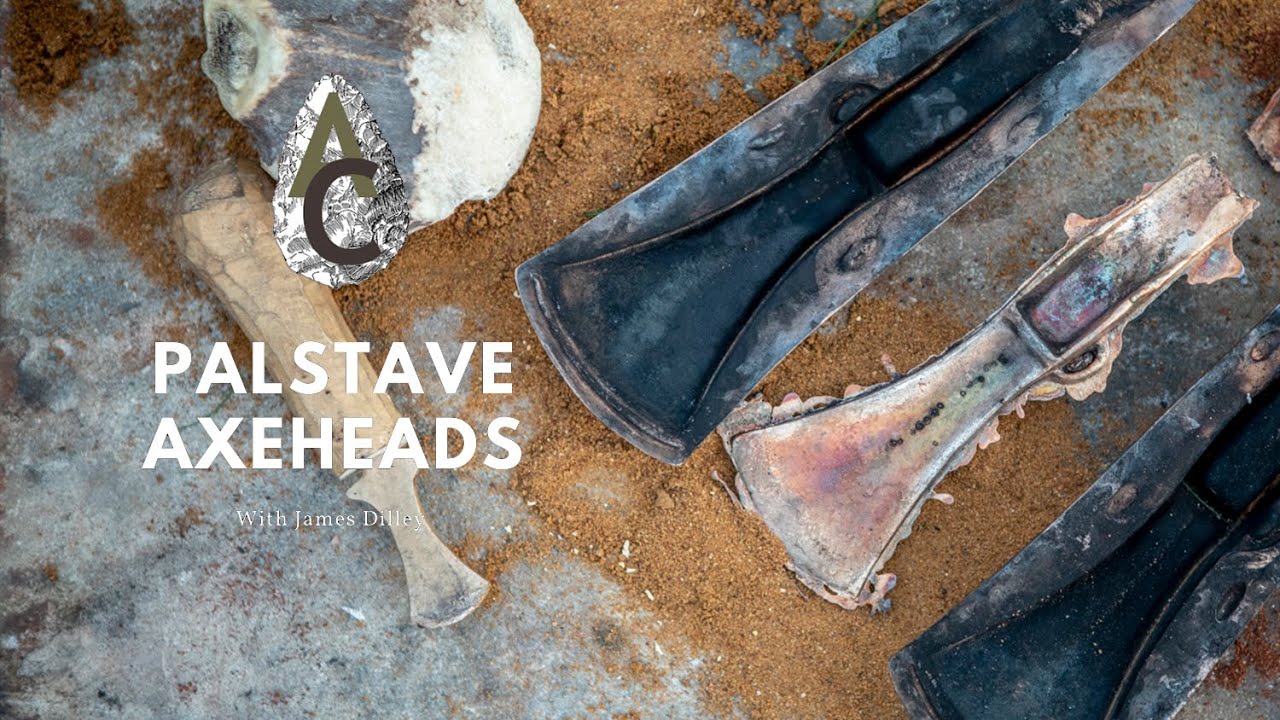
Conservators believe the ax dates to sometime between 1400 B.C.E. and 1275 B.C.E. because it is made of bronze—a mix of copper and tin—and it is a palstave ax, distinct to that period.

Leoni Dawson, Forestry England community ranger, says the ax head can provide helpful perspective about life and tools during the Bronze Age.
“It’s incredible to think that tools like this have survived for thousands of years, hidden beneath our feet,” Dawson says in a statement. “Finds like these help us connect with the people who lived and worked in these landscapes long before us.”
/https://tf-cmsv2-smithsonianmag-media.s3.amazonaws.com/filer_public/92/be/92be87f8-77ba-4297-9c15-104e96268b4d/260415-fod-axe-head-find-dsc08249.jpg)
The Bronze Age spanned from 2300 B.C.E. to 800 B.C.E. and was marked in Britain by the introduction of bronze to toolmaking around 2200 B.C.E. Palstaves were typical of this time, featuring a loop on the ax head where a cord could pass through to secure the metal piece to a wooden handle. They were formed by pouring molten metal into two-part molds, which were more sophisticated than simple stone molds used earlier.
Bronze Age people used axes for tasks including butchering animals and woodworking, and to signal status. Some burials feature axes as valuable grave goods.
Fun fact: Sniffing out history
Dog walks recently have yielded other surprising finds from the distant past. In January, a couple in Scotland and their canine companions found semi-fossilized human footprints on a beach, left in clay that emerged after a winter storm cleared away the sand. Researchers think the prints date to the late Iron Age.
The Forest of Dean in southwest England, where the palstave was found, has had human occupants since the Stone Age. The area is one of England’s ancient woodlands, so designated because it has been a forest continuously since 1600 C.E.
By the Bronze Age, people there were clearing trees to make room for agriculture and homes, as well as monuments for rituals. In 2019, in the forest, archeologists found a ring cairn that dates to between 2500 B.C.E and 1500 B.C.E. The round bank is about 80 feet across with small standing stones.
“Nobody knows precisely what they were used for. Some have been found in association with burials, and often there appear to be residues of charcoal in places like this, suggesting rituals that involved fire,” archaeologist Jon Hoyle told BBC News.
The setting of the new ax head discovery may be as important as the artifact itself, as Matt Seaver, the National Museum of Ireland’s assistant keeper of Irish antiquities, told RTÉ News in 2024, when two Bronze Age axes were sent anonymously to the museum.
“An object on its own is valuable in one sense, but an object in its context tells us something about where and why these objects were used,” Seaver said. “Things that gave these objects meaning were where they were placed in the landscape.”