
Before Mountain Biking Became One of the Most Popular Recreational Sports, Adventurous Souls of the American West Had to Invent a Rugged Bike
The origin story has two settings: In Colorado, a gang of riders had the tenacity to conquer a treacherous terrain, and in California, others had the technology to design the ideal ride
In the 1960s and ’70s, a countercultural movement drew a new generation of pioneers to the West. Suddenly, ski bums, scofflaws, draft dodgers and hippie homesteaders were joining the miners and hardscrabble farmers of mountain towns like Crested Butte, Colorado. Looking for a way to navigate both the Pontiac-bedeviling potholes in town as well as the dirt roads leading into the mountains, a small crew of Crested Butte transplants began building handmade off-road-ready bikes. They used a hodgepodge of vintage parts, in particular from World War II-era Schwinn bicycles. The group called itself the Grubstake Gang (named after a favorite watering hole), and they rejoiced when their heavy cruisers, outfitted with fat tires, proved capable of handling the punishing unpaved roads into and out of town.
In September 1976, 15 cyclists attempted a seemingly impossible feat: riding these “klunkers” over 12,700-foot Pearl Pass to Aspen. The next day, just two riders rolled into Aspen; the steep Colorado stones of the 38-mile road had destroyed all the other klunkers.
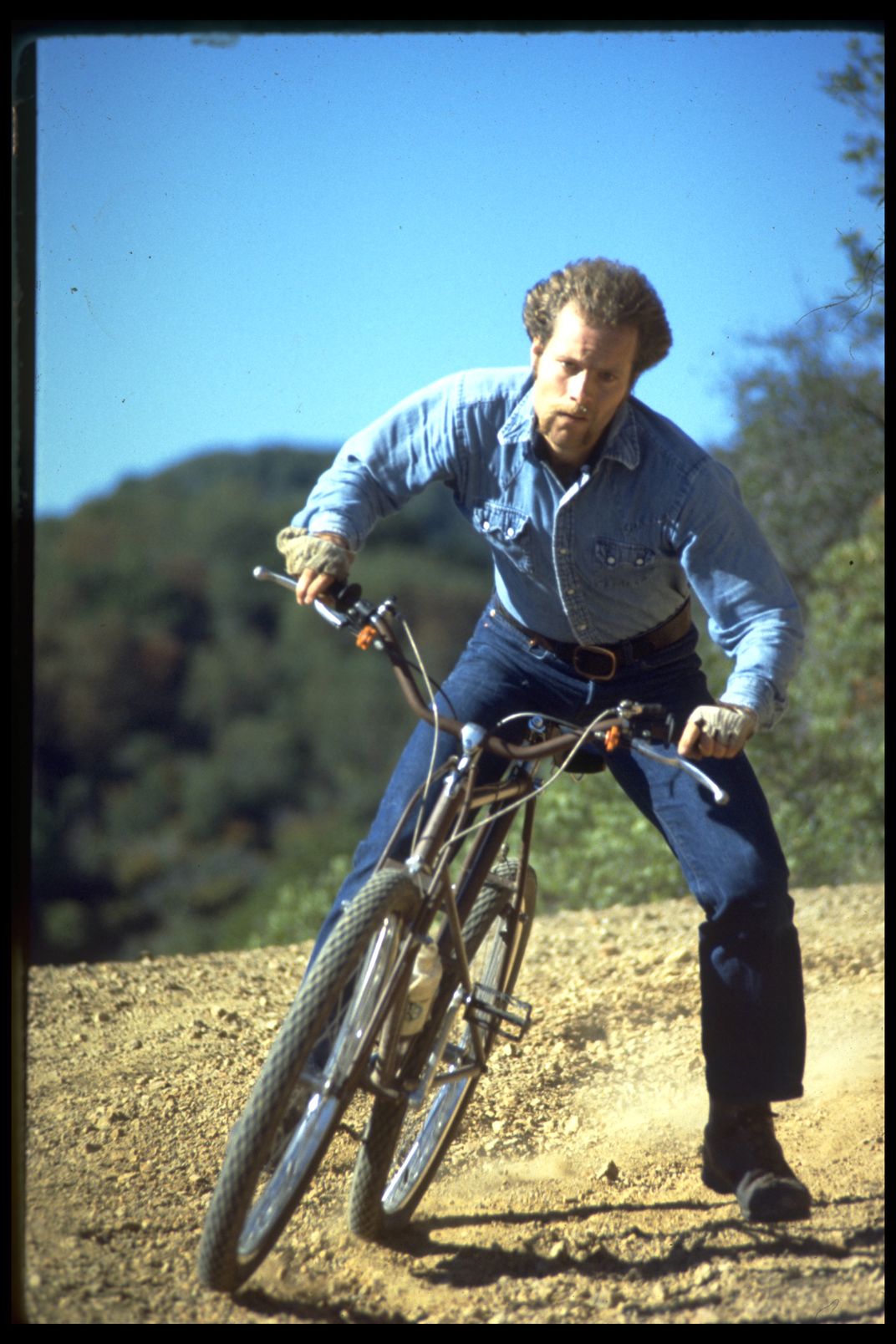
Around the same time, a group of teenagers in California’s Marin County—they called themselves the Larkspur Canyon Gang—were tinkering and racing their own garage-built bikes down the steep roads of Mount Tamalpais, north of San Francisco.
In October 1976, the Larkspur Canyon Gang held what’s widely considered the first timed mountain bike race at Mount Tam. It was called the Repack, so named because the hub-based brakes on cruiser bikes would overheat on steep slopes, and riders had to replace (or repack) the smoked-off axle grease between runs.
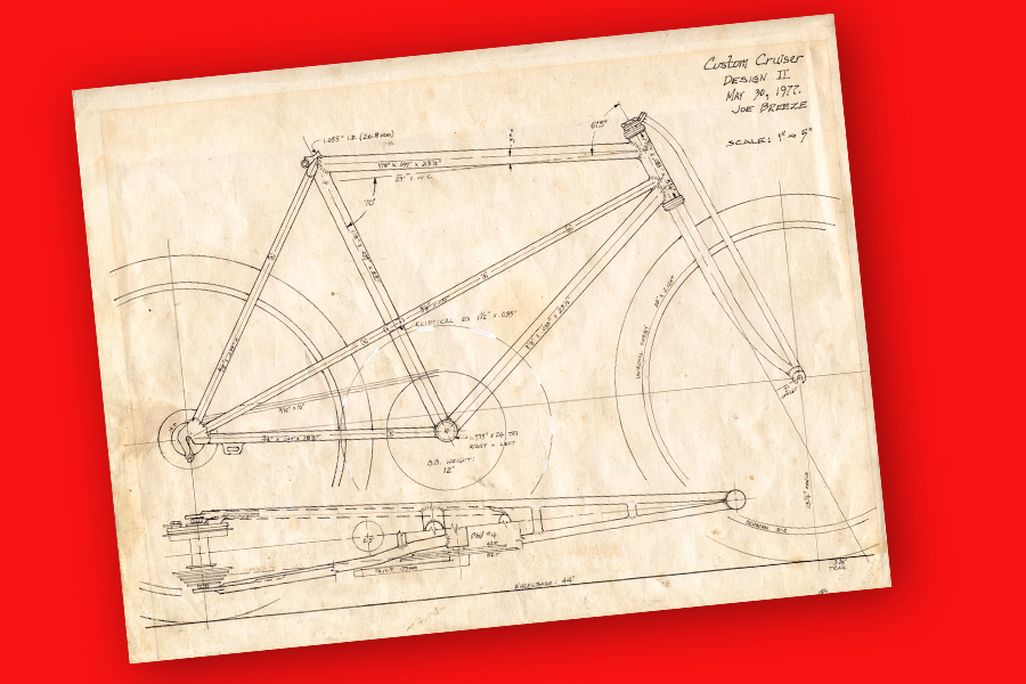
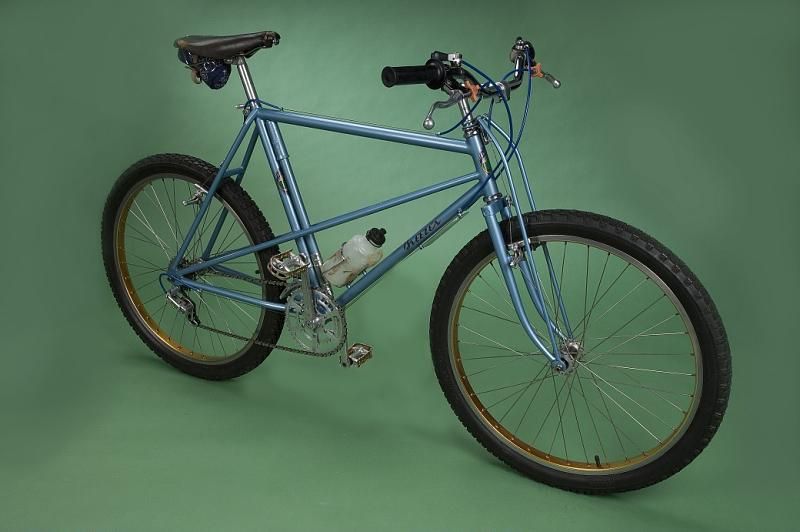
Alan Bonds, a member of the Canyon Gang, won that first race, and the following year, another member, Joe Breeze, created the first purpose-made mountain bike, the Breezer 1, a prototype of which is now housed in the Smithsonian’s National Museum of American History. The first Breezer wed a durable steel-alloy frame with strong components that could withstand the rigors of off-road riding, including steel rims, cantilever brakes and repurposed motorcycle brake levers.
In 1978, the Larkspur Canyon Gang made a pilgrimage to Crested Butte for the Pearl Pass Tour. The California and Colorado crews quickly bonded over the pleasures and perils of the sport, and though both Crested Butte and Marin County claim to be the birthplace of mountain biking, the rivalry is an amicable one.
Did you know? Three of the greatest mountain-bike masters in history
-
Greg Minnaar of South Africa is one of the greatest downhill racers ever, taking his first championship in 2001. Minnaar has snagged four elite UCI Downhill World Championship titles and won a whopping 22 World Cup downhill races.
-
Hans Rey of Switzerland is a pioneer who helped popularize mountain biking worldwide through spectacular trials riding, technical stunts and adventure expeditions.
-
Brandon Semenuk of Canada is one of the defining figures of modern freeride mountain biking, known for his daringly enormous jumps and head-spinning technical tricks, at the Red Bull Rampage race and beyond. He’s also made a splash in film, cutting a winning figure in the 2015 documentary unReal.
Fifty years on, mountain biking has become one of the fastest-growing outdoor recreation activities in the world. In the United States, as of 2024, some nine million people rode mountain bikes off road at least once a year, and between 2020 and 2024, the number of registered mountain bike events increased globally by about 50 percent. Of course, the technology has come a long way, and modern mountain bikes boast carbon-fiber frames, front and rear suspensions, and disc brakes heavily indebted to cars and motorcycles. Events such as Red Bull Rampage, founded in 2001 and held annually in the red-rock canyons of southern Utah, draw nearly 100,000 TV and streaming viewers to watch professional riders careen down seemingly vertical slopes and execute midair tricks over canyons that might give Evel Knievel pause.
Perhaps mountain biking required two birthplaces, in Crested Butte and Marin County: one to generate its freewheeling festival attitude and the other to establish its envelope-pushing adrenaline rush. Regardless, the sport that could only have been invented in the American West still retains its outlaw spirit, one that celebrates the mind- and horizon-expanding possibilities of the bicycle.
Subscribe to Smithsonian magazine now for just $19.99
This article is a selection from the November 2026 issue of Smithsonian magazine