Were Two Ancient Chinese Astronomers Beheaded for Failing to Predict an Eclipse in 2134 B.C.E.? The Story May Be a Myth, but It Underscores the Real Risks of Interpreting Celestial Events
Experts say that an oft-circulated anecdote about two royal astronomers drunkenly failing to foresee an eclipse thousands of years ago contains hints of truth

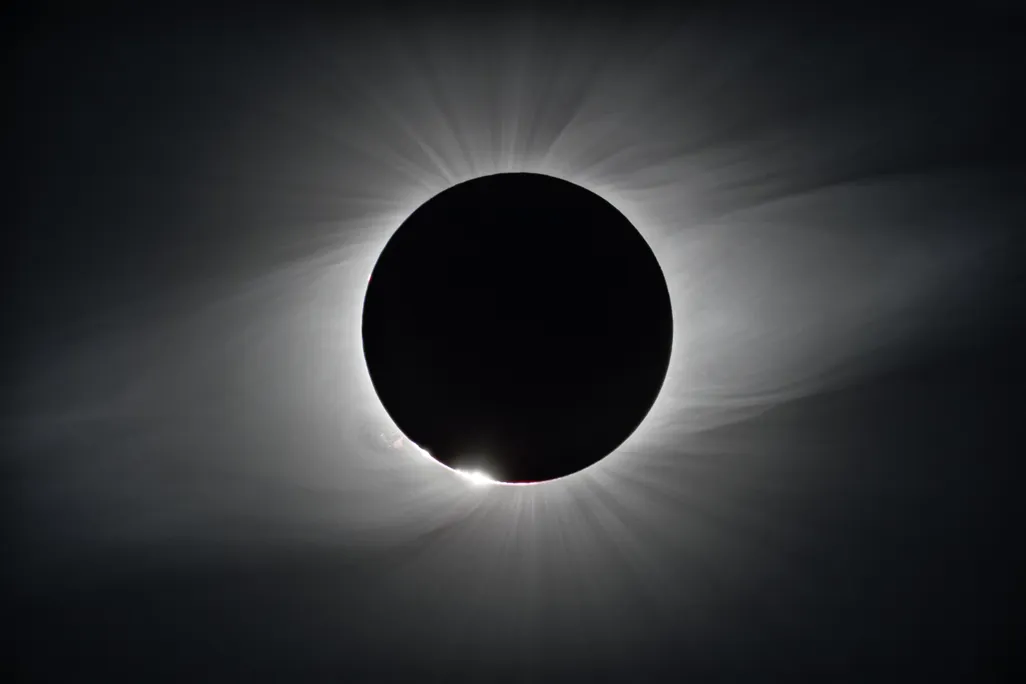
Astronomy used to be a rather dramatic field of work. To many ancient civilizations, astronomical events signaled big changes in the human world. Eclipses in particular were linked to military defeats and the deaths of kings. If astronomers didn’t pay proper attention to the night sky, they could face political punishment.
One such story out of ancient China allegedly traces back to October 22, in the year 2134 B.C.E. (Other versions of the tale offer different timelines.) On this fateful day, two royal astronomers often identified in modern sources as Hsi and Ho are said to have neglected their duties to grab a drink. As a result of their drunken reeling about town, the pair apparently failed to predict an eclipse or perform the proper eclipse rituals—or maybe even both. Either way, the ruler wasn’t happy.
“So stupidly went they astray [from their duties] in the matter of the heavenly appearances and rendered themselves liable to the death appointed by the former kings,” one retelling notes. “The statutes of government say, ‘When they anticipate the time, let them be put to death without mercy; when [their reckoning] is behind the time, let them be put to death without mercy.’” An execution was in order, and the men would pay for their alleged crimes with their heads.
In the thousands of years since this purported event, the anecdote has hopscotched from early Chinese texts to periodicals, newspapers, journal articles, books and social media.
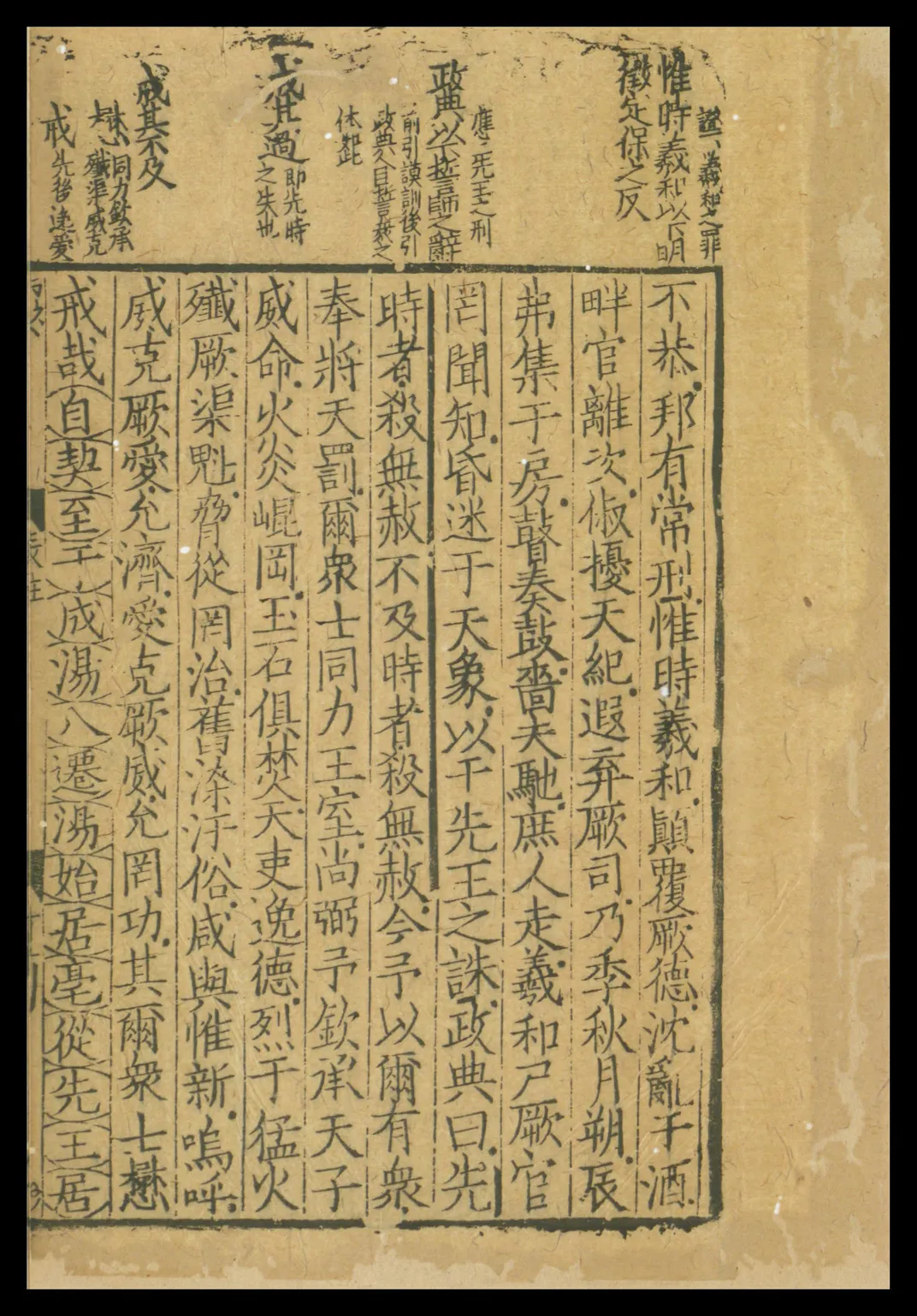
But just how truthful is this tale? “It’s clearly mythical,” says David Pankenier, an emeritus Sinologist at Lehigh University. No evidence supports the idea that the two men mentioned in the story even existed, he adds.
So why has this dubious legend—which the New York Times, in a 1970 article, deemed “the earliest written record of a total solar eclipse to survive through the ages”—had such sticking power?
It’s true that royal astronomers had a lot of responsibility on their shoulders. “Part of the role of the court astronomers was to understand this connection between the social world and what they call tian—or heaven—in order to be able to enable the ruler to line these two things up,” says Alexus McLeod, a religious studies scholar at Indiana University Bloomington.
Did you know? Astronomy in ancient China
- In ancient China, the celestial north pole was viewed as a symbol of the emperor.
- The ancient Chinese saw the cosmos and human society as mirrors of each other, with special attention paid to this polar region. The philosophy even influenced urban planning: Cities were often mapped out to resemble these constellations.
Given the societal importance of the cosmos, records of Chinese astronomical observations were “pretty exact” even as far back as the third or fourth century B.C.E., McLeod says. The ancient Chinese “were excellent observational astronomers,” he adds.
Even though celestial events were strongly linked to ancient politics, the eclipse story’s reliability remains doubtful, historians say. In 2134 B.C.E.—the year that some sources say the incident occurred—Chinese astronomers didn’t actually know how to predict eclipses. It was only under the Han dynasty (206 B.C.E. to 220 C.E.) that such experts managed to anticipate eclipses with some success. One account from the 170s C.E., for example, suggests that a royal astronomer correctly predicted a December 8 solar eclipse by analyzing earlier eclipse observations, although his predicted location was rather off.


Some scholars dispute that the Hsi and Ho legend is even about an eclipse. Early Chinese records of the story, traced back to late in the first millennium B.C.E., are ambiguous on this point, says Christopher Cullen, an emeritus historian of science at the University of Cambridge in England.
Cullen believes that the original story referred to the royal astronomers’ poor management of the lunisolar calendar, which was based on tracking the phases of the moon and the positioning of the sun. Instead of a total eclipse, he speculates that the ancient Chinese had been expecting a new moon that didn’t come.
McLeod, meanwhile, says this myth isn’t necessarily ahistorical: It’s not out of the question that ancient astronomers could have been harshly punished for playing hooky during an eclipse. “I think it’s not as ridiculous as it sounds,” he says, “because the situation with court astronomers was heavily tied up with politics.”
After all, when eclipses arrived unexpectedly, they were a big deal. “There was an awful lot of noise and clamor and banging on things and so on,” Pankenier says, “whatever it was thought it would take to make whatever is blocking the sun disappear.”
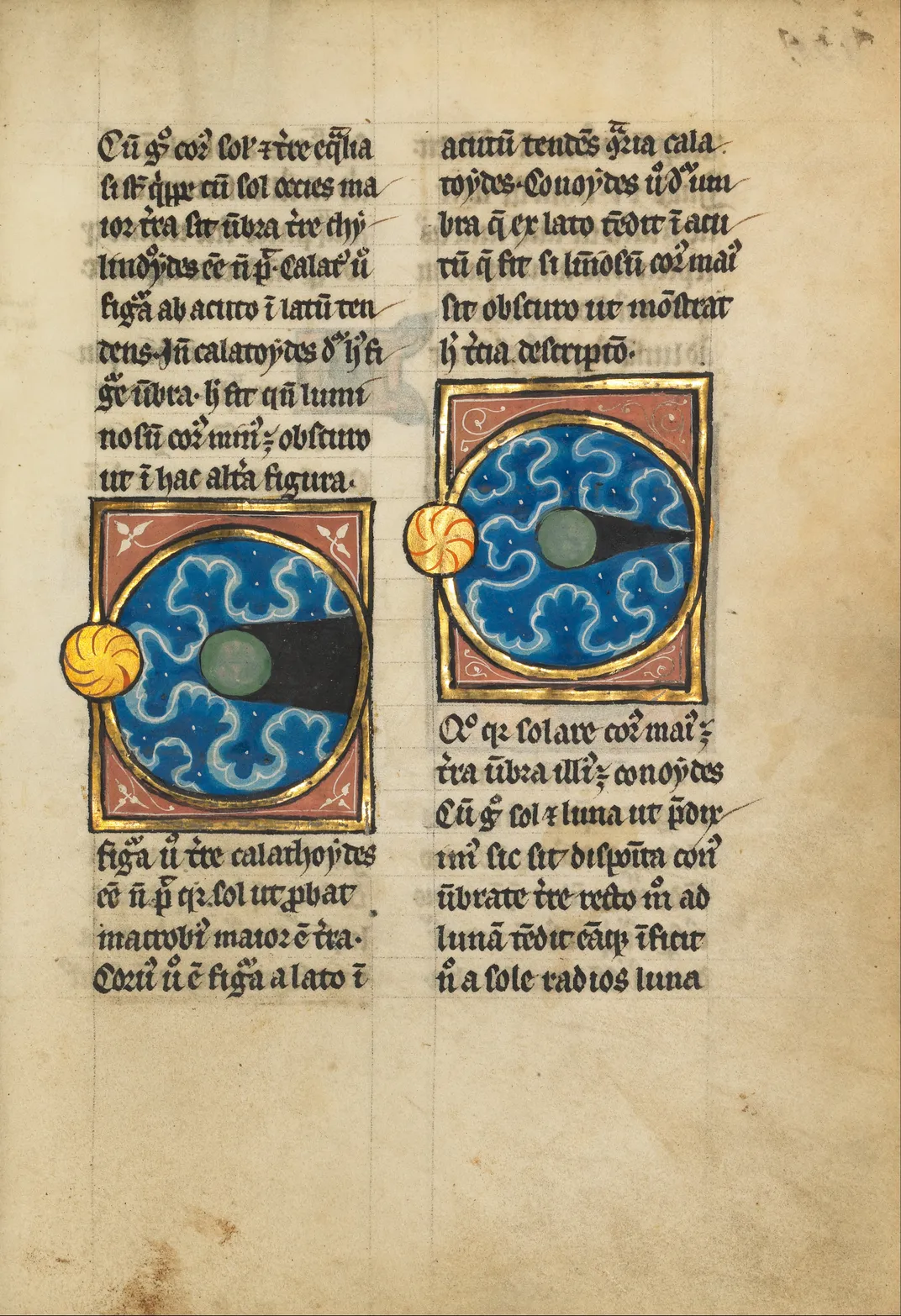
Pankenier sees the astronomers’ story as a “sort of mythic example of the importance of their responsibility.” He says the legend may have been passed down across many generations.
As for why the myth has catapulted through the English-speaking world, one can only speculate. Beyond the inevitable game of telephone that can sensationalize stories traveling across the centuries, “sometimes it’s also the layer of exoticism,” McLeod says, “the idea that things that happen in China are these wild and different kinds of things from what happened in the West.” He adds, though, that similar stories also pop up in modern Chinese society.
“Being a court astronomer could be a highly volatile position,” McLeod says. “Sometimes it was routine, but then sometimes when you had things like supernovae and comets, where you’d interpret in certain ways, it could get political quickly.”
It’s possible, then, that at some point—and for some political reason—a pair of real royal astronomers did, in fact, lose their heads for failing to meet their ruler’s expectations.