
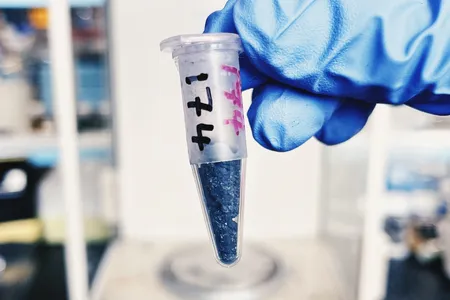
The new approach looks at the distribution of molecular fragments in material, allowing for broad surveys in degraded specimens

Dogs Have Been Surprisingly Diverse for More Than 10,000 Years, New Research Suggests
Two studies provide scientists with a more comprehensive understanding of how early dogs were domesticated as they migrated around the world alongside humans
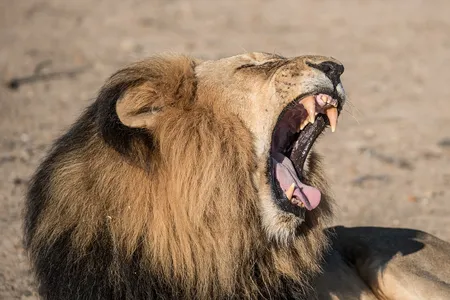
Listen to a Lion’s Second Type of Roar, Which Was Just Discovered by Scientists
Researchers uncovered the previously unknown vocalization while creating an algorithm that can identify and monitor lions based on audio recordings
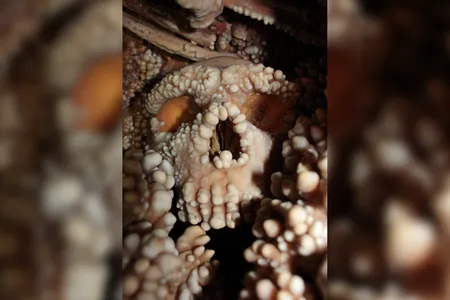
A new study analyzes the nasal cavity of the “Altamura Man,” a Neanderthal who died between 130,000 and 172,000 years ago
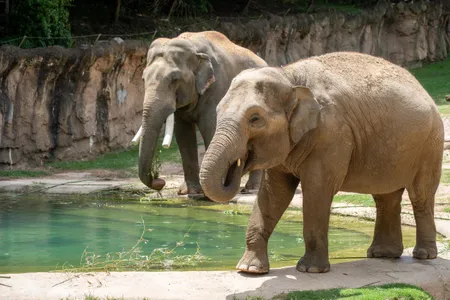
With fewer than 50,000 Asian elephants estimated to be remaining in the wild, the Smithsonian’s announcement gives hope to those working to preserve the endangered species
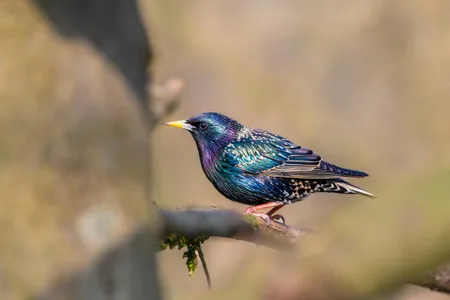
European starlings were better than parrots at imitating R2-D2’s high-pitched chattering, possibly because of their special control over a vocal organ
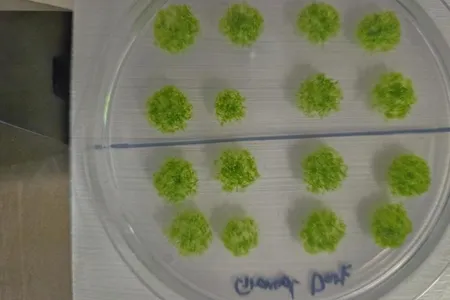
While lunar gardens are still out of reach, the study sheds more light on terrestrial biology that may not be limited to our planet’s surface

French scholars argued that the 17th-century Pascaline should go to a public collection and stay within the country. But a Paris court may take months to make a final decision on the device’s fate
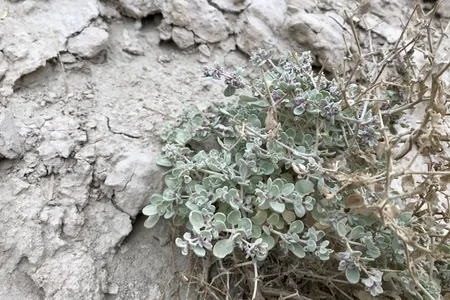
Tidestromia oblongifolia thrives in high heat—and scientists think it may hold the key to making food crops more resilient amid global warming
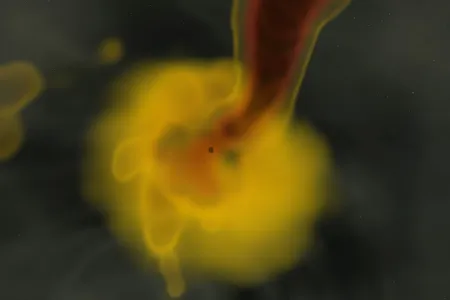
Past research about black hole births rarely included magnetic fields or the spins of the precursor stars. But considering those factors could explain the origins of two unusual objects that collided
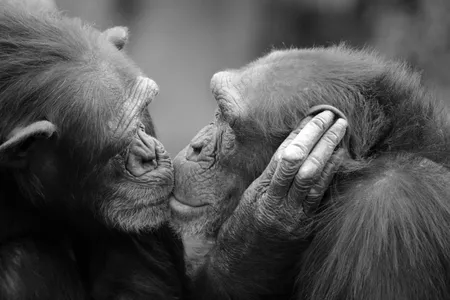
How Did Humans End Up Smooching on the Lips? It May Have Started Out With a 21-Million-Year-Old Kiss
Our ancient primate relatives—including Neanderthals—may have enjoyed a nice peck on the lips. But researchers still don’t know why we do it
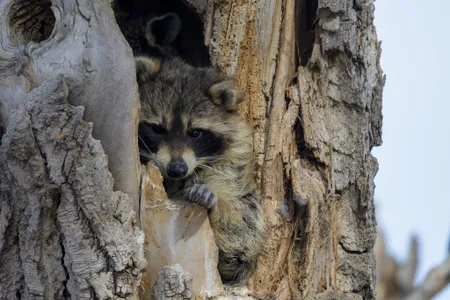
The shorter faces of these city-dwelling trash bandits offer a telltale sign of domestication and line up with a leading hypothesis about animals that adapt to human-dominated environments, according to a new study

The space agency got a close look at the interstellar visitor over the past few months as it zipped by Mars and the sun
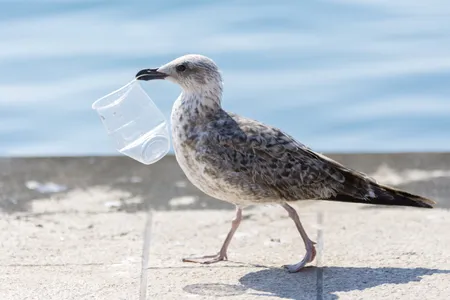
Researchers examined more than 10,000 animal autopsies to figure out how much plastic is too much for ocean wildlife
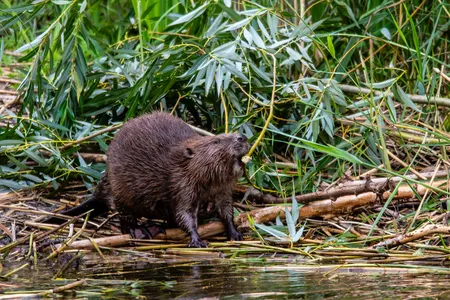
Two new studies suggest that the semi-aquatic rodents provide food and habitat for bats and pollinator insects within their engineered ecosystems
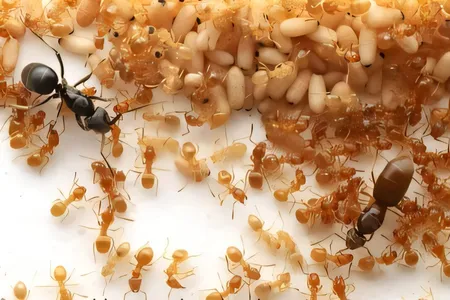
While ant queen violence is well-known, scientists recently documented the first evidence of parasite-induced matricide

An enormous analysis of data from a broad array of participants found an association between multilingualism and cognitive aging
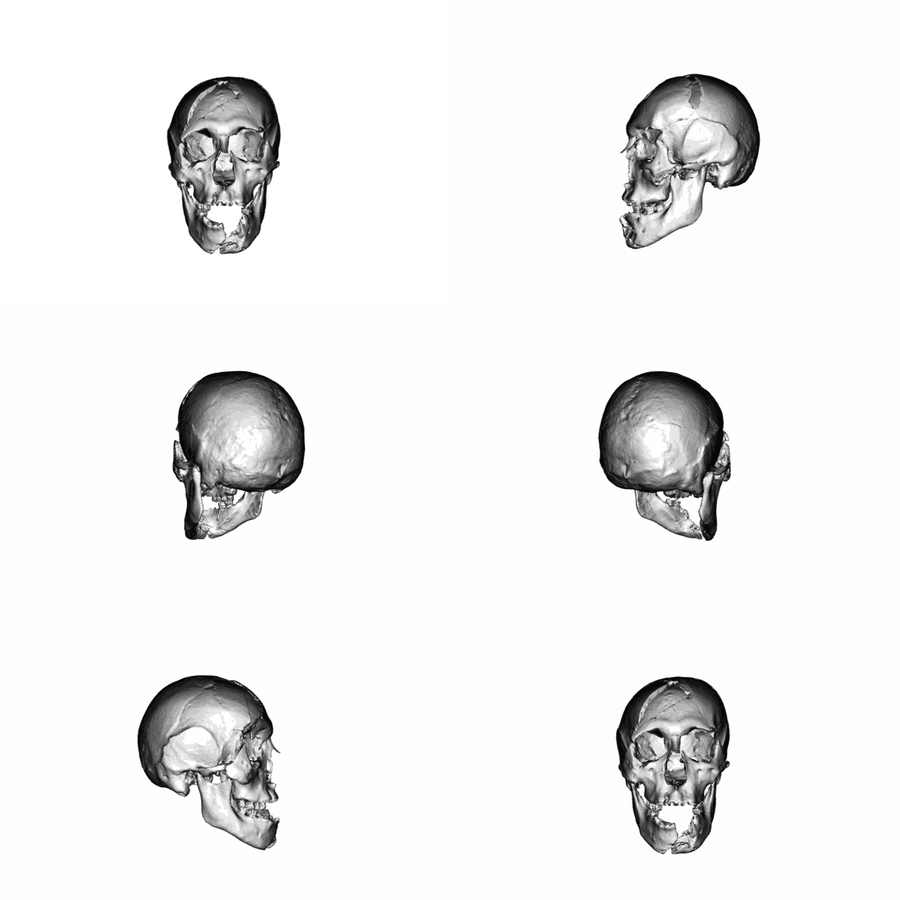
Based on DNA evidence and numerous cut marks on the bones, scientists think that multiple assailants attacked Béla, Duke of Macsó, in 1272. The victim was likely unarmed and unprotected by armor
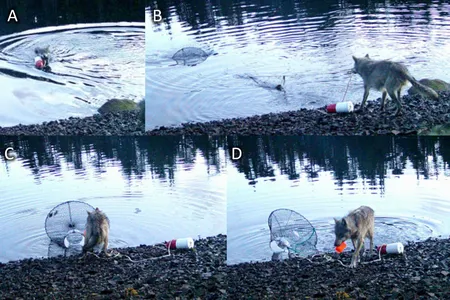
Footage from British Columbia shows just how intelligent wild wolves can be, but scientists are divided as to whether the behavior constitutes tool use
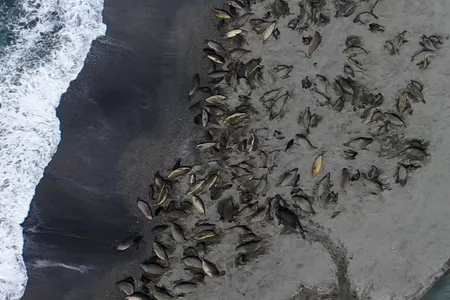
Scientists recorded a 47 percent drop in breeding females in South Georgia’s three largest elephant seal colonies after bird flu hit. Scaled to the whole island, that’s a potential loss of more than 50,000 of the animals
Page 44 of 556