
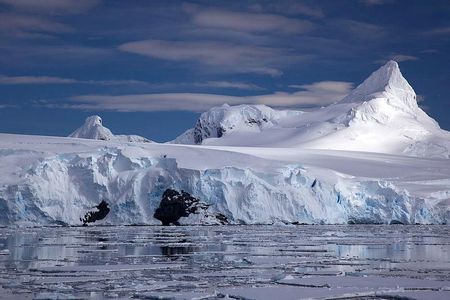
Antarctic Ice Loss Has Tripled Over the Past Decade
Since 1992, the continent has lost more than 3.3 trillion tons of ice, triggering a quarter-inch rise in global sea levels
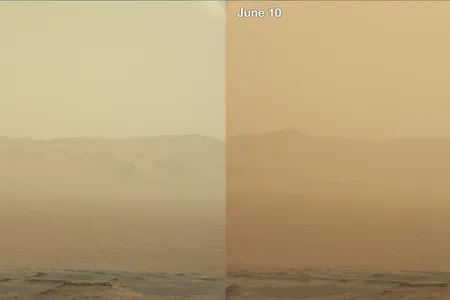
Massive, ‘Unprecedented’ Dust Storm Puts Mars Rover at Risk
Engineers have not received any transmissions from the Opportunity rover since Sunday
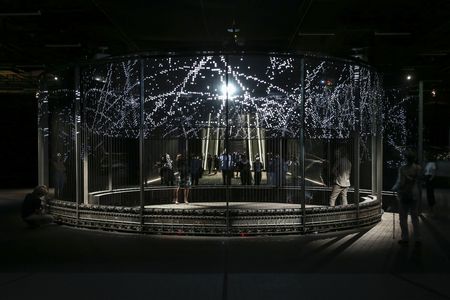
‘HALO’ Makes Art Out of Subatomic Particle Collisions at Art Basel
The site-specific installation by British artist duo Semiconductor revisits the universe’s first moments
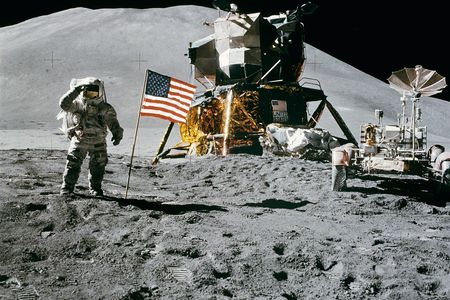
Astronauts’ Footprints May Have Warmed the Moon
“Lost” data from the 1970s helped scientists solve an enduring lunar mystery
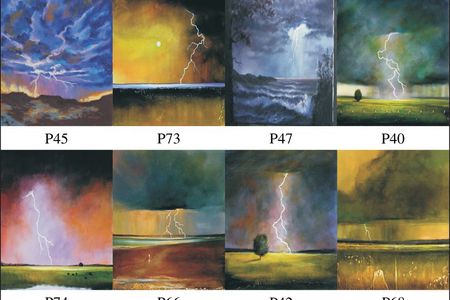
Why Artists Have so Much Trouble Painting Lightning
A new study compares painted versus photographed depictions of lightning bolts’ offshooting branches

Being Hangry Is Real, But You Can Control It
Hunger elicits similar responses as emotions, but it only turns into “hanger” when people are already primed with negative feelings
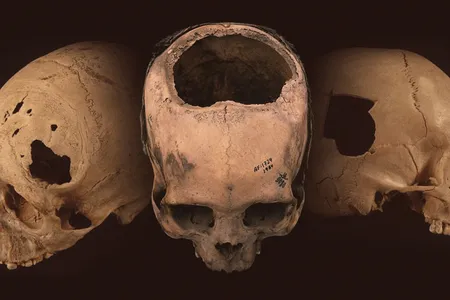
Inca Skull Surgeons Had Better Success Rates Than American Civil War Doctors
Survival rates among later Inca cultures was significantly higher. However, the 19th-century soldiers were facing trauma caused by industrial-age warfare
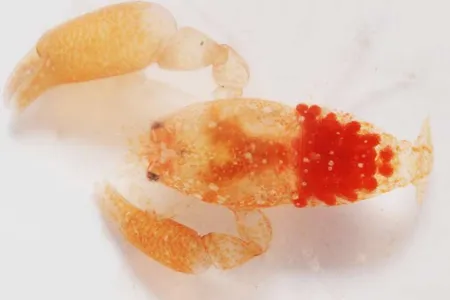
Introducing a Hairy-Footed Shrimp Named After Bilbo Baggins
Like its hobbit namesake, Odontonia bagginsi is also quite small

Something Is Killing Off Africa’s Largest Baobab Trees
In the last dozen years, four of the 13 largest, and likely oldest, trees have died. Another five are ailing
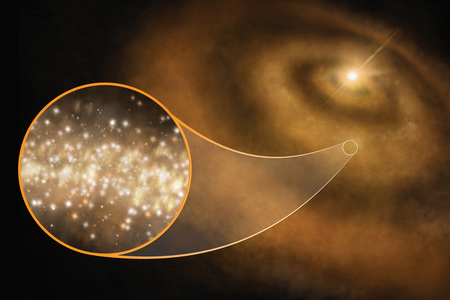
Space Nanodiamonds Found to Be Source of Some Cosmic Microwave Radiation
The diamond dust in protoplanetary discs may solve a decades-old astronomical mystery
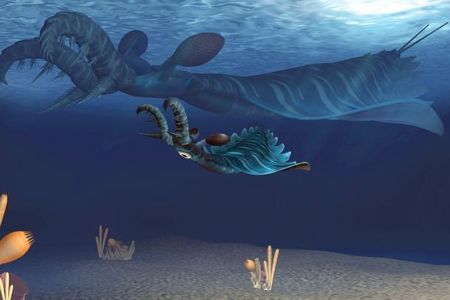
This Prehistoric Sea Creature Had Fanged, Killer Babies
The discovery of a juvenile Lyrarapax unguispinus fossil reveals that even the tiny terrors had a developed claw-like appendage and sharp teeth
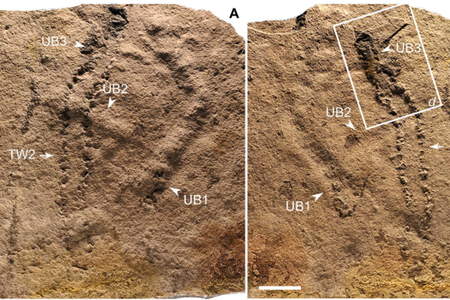
Oldest Footprints Show When Life On Earth Got Legs
Tiny fossil tracks found in South China firmly date appendages back to the Ediacaran period
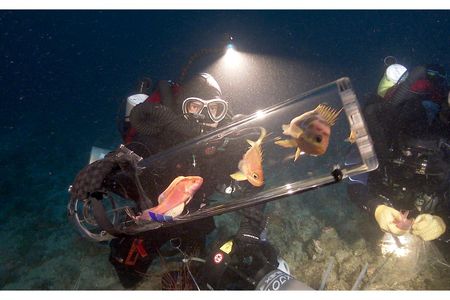
New Gadget Brings Fish Up From the Ocean’s “Twilight Zone”
The portable decompression chamber allows SCUBA-diving scientists to safely collect specimens without them, well, exploding
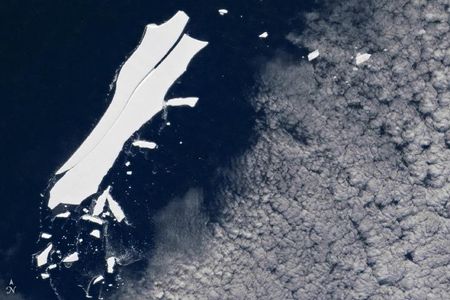
World’s Largest Iceberg Is Melting Away After 18 Years Adrift
In the last two years, the Jamaica-sized berg began venturing north, melting and splintering into pieces along the way

The Next Flu Pandemic Might Come From Dogs
A new study found two strains of swine flu in sickly pups in China
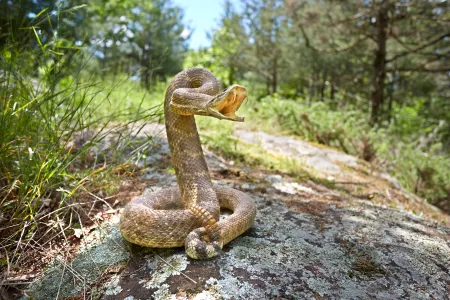
Why Rattlesnakes Are Just as Dangerous Dead or Alive
After receiving bite from decapitated Western diamondback, Texas man required 26 doses of antivenom
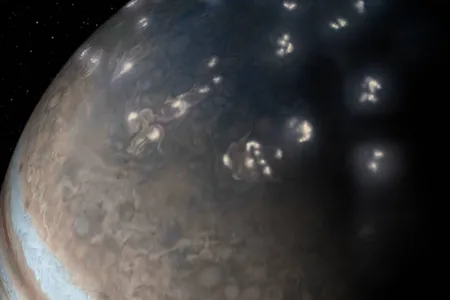
Jupiter’s Lightning Is More Earth-Like Than We Thought
Juno is providing scientists with new insights into the gas giant’s flashes of light
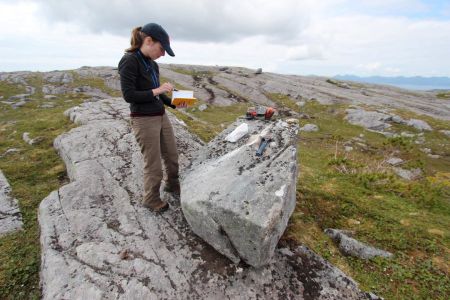
New Evidence Shows That Humans Could Have Migrated to the Americas Along the Coast
Dating of rocks and animal bones shows Alaska’s coast was glacier free around 17,000 years ago, allowing people to move south along the coast
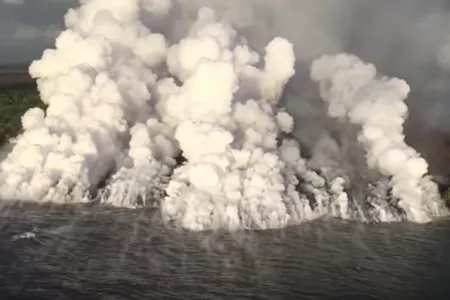
Watch Kīlauea’s Lava Flow Into the Ocean, Creating Billowing Clouds of ‘Laze’
The interaction between the lava and the water creates a hazardous mix of hydrochloric acid, steam and volcanic glass particles
Page 336 of 556