
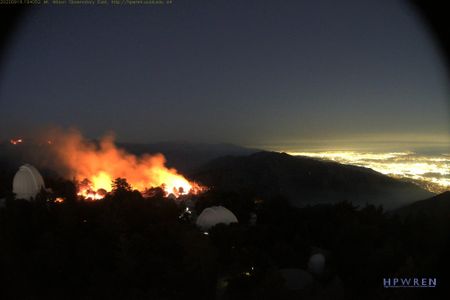
Historic Mount Wilson Observatory Threatened by Bobcat Fire in Los Angeles
Although the immediate danger seems to have passed, the fight to battle the flames threatening the historic observatory continues
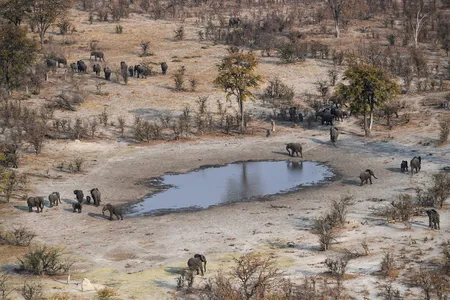
Toxic Algae Caused Mysterious Widespread Deaths of 330 Elephants in Botswana
Officials say the pachyderms were killed by blooms of the organisms, which polluted pools of drinking water with neurotoxins

Clock in New York Counts Down the Time Remaining to Avert Climate Disaster
The installation began its count down on September 17 with seven years, 103 days, 15 hours, 40 minutes and seven seconds

This Giant Planet Is Orbiting a Dead Star
In a first, NASA astronomers have discovered a planet orbiting a ‘dead’ white dwarf star
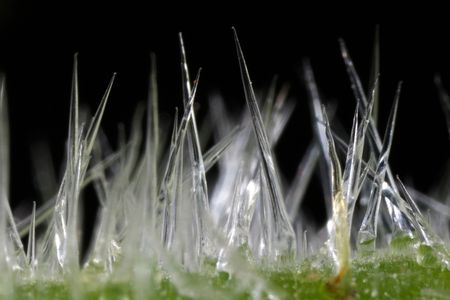
How Venomous Australian Stinging Trees Cause So Much Pain
The trees may look fuzzy, but they’re covered in tiny needles that can cause months of pain

Undersea Earthquakes May Help Us Take the Ocean’s Temperature
The technique could allow for more accurate and comprehensive monitoring of the world’s warming oceans and track climate change
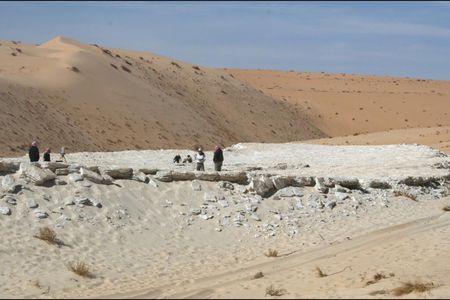
Human Footprints Found in Saudi Arabia May Be 120,000 Years Old
If confirmed, the footfalls would represent the oldest evidence of Homo sapiens’ presence on the Arabian Peninsula
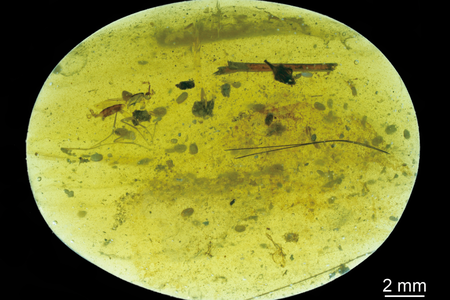
Scientists Discover Oldest Sperm Yet Preserved in Amber
The longest sperm in the sample is one-third the body length of the creature that produced it
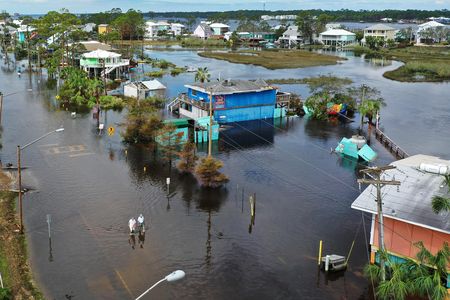
Why Did Hurricane Sally Move So Slowly? It Has to Do With Climate Change
Creeping along at just 2 to 3 miles per hour, Sally is the latest in a trend of slow-moving storms, scientists say

Sweeping DNA Survey Highlights Vikings’ Surprising Genetic Diversity
A new study suggests Viking identity didn’t always equate to Scandinavian ancestry
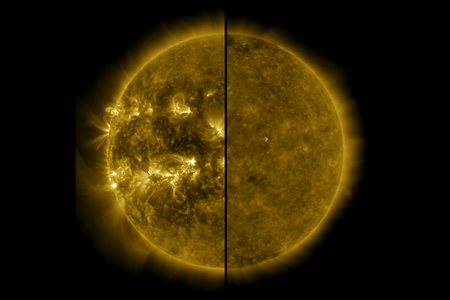
A New Solar Cycle Promises Calm Space Weather
Experts say the sun’s next decade will likely feature a low number of events like solar flares that can disrupt power grids and satellites
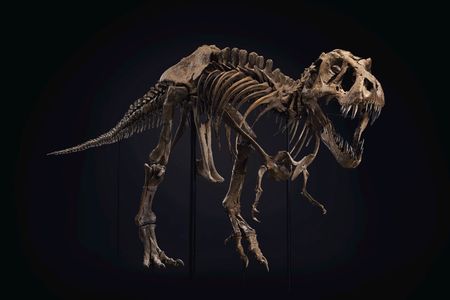
You Can Buy This T. Rex Skeleton—for a Hefty Price
Paleontology enthusiasts with an extra $8 million lying around can bid on Stan, a 67-million-year-old Tyrannosaurus rex
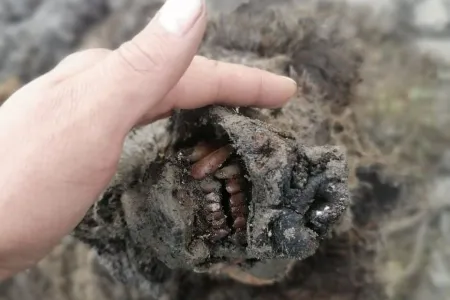
Ice Age Cave Bear Found Preserved in Permafrost on Siberian Island
According to preliminary analysis, the bear is between 22,000 and 39,500 years old
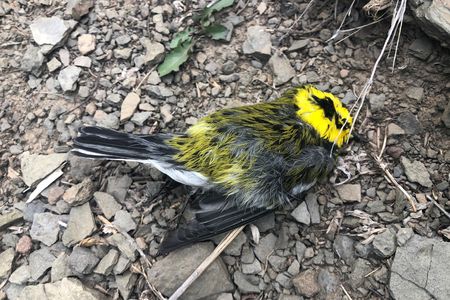
Thousands of Migrating Birds Drop Dead Across Southwestern U.S.
Researchers aren’t sure what’s causing the mass die-off impacting birds flying south for the winter

New Report Details Impacts of Covid-19 Pandemic on Global Health
The annual Gates Foundation report assesses global progress toward the United Nations’ Sustainable Development Goals
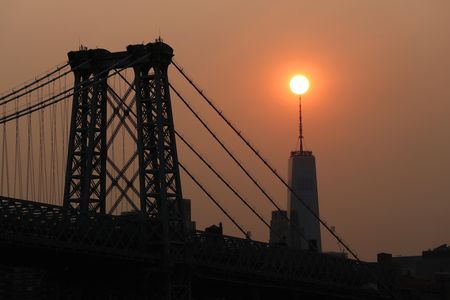
West Coast Wildfire Smoke Reported as Far East as the Netherlands
Hazy skies covered the United States and parts of Europe this week as jet streams pushed fumes eastward
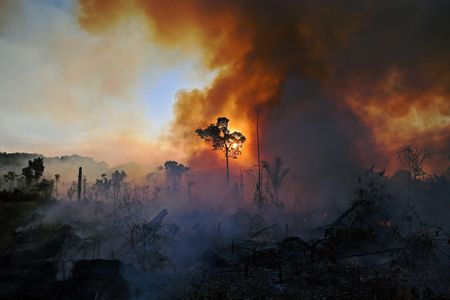
Humans Wiped Out Two-Thirds of the World’s Wildlife in 50 Years
Threats to global biodiversity are also threats to humans, experts warn
Trees Are Growing Fast and Dying Young Due to Climate Change
Rapid growth reduces the capacity of forests to absorb and store carbon dioxide
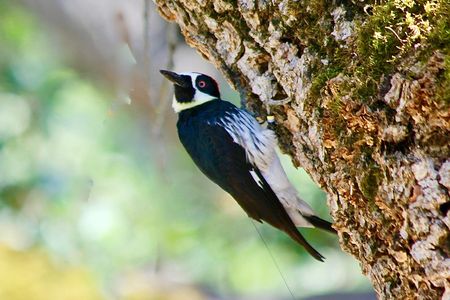
These Woodpeckers’ Bloody Wars Draw Crowds
Acorn woodpeckers will fight to the death to control the finest habitat and new research finds up to 30 non-combatants will pull up a branch to watch

These Sea Anemones Grow Limbs When They Eat
The starlet sea anemone is the first known species to translate food into limbs
Page 245 of 556