
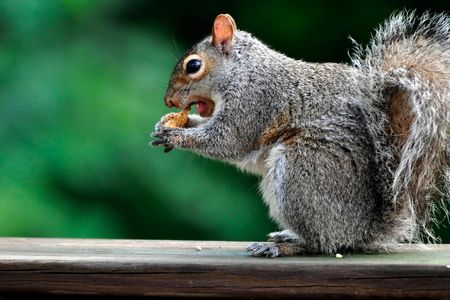
Watch This Backyard Squirrel Get a Little Tipsy on Fermented Pears
A Minnesota resident captured a video of the bushy-tailed rodent’s drunken smorgasbord
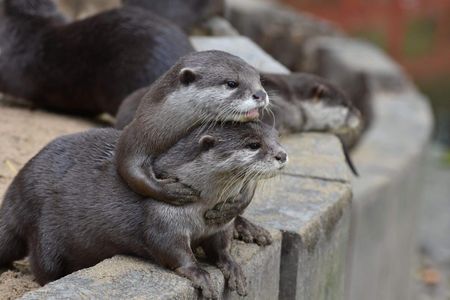
Otters Solve Puzzles Faster After Seeing a Friend Do It First
Conservation scientists could use the information to teach previously captive animals how to live in the wild

Massive Arecibo Telescope Collapses in Puerto Rico
The radio telescope was once the largest in the world, and played a key role in many major astronomical discoveries over the last 50 years
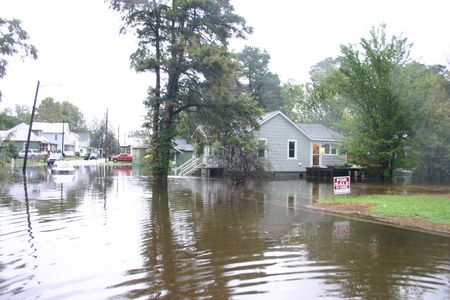
Affordable Housing Units Prone to Floods Could Triple by 2050
Without swift action to reduce carbon emissions, nearly 25,000 low-income houses will face annual flooding in the next 30 years
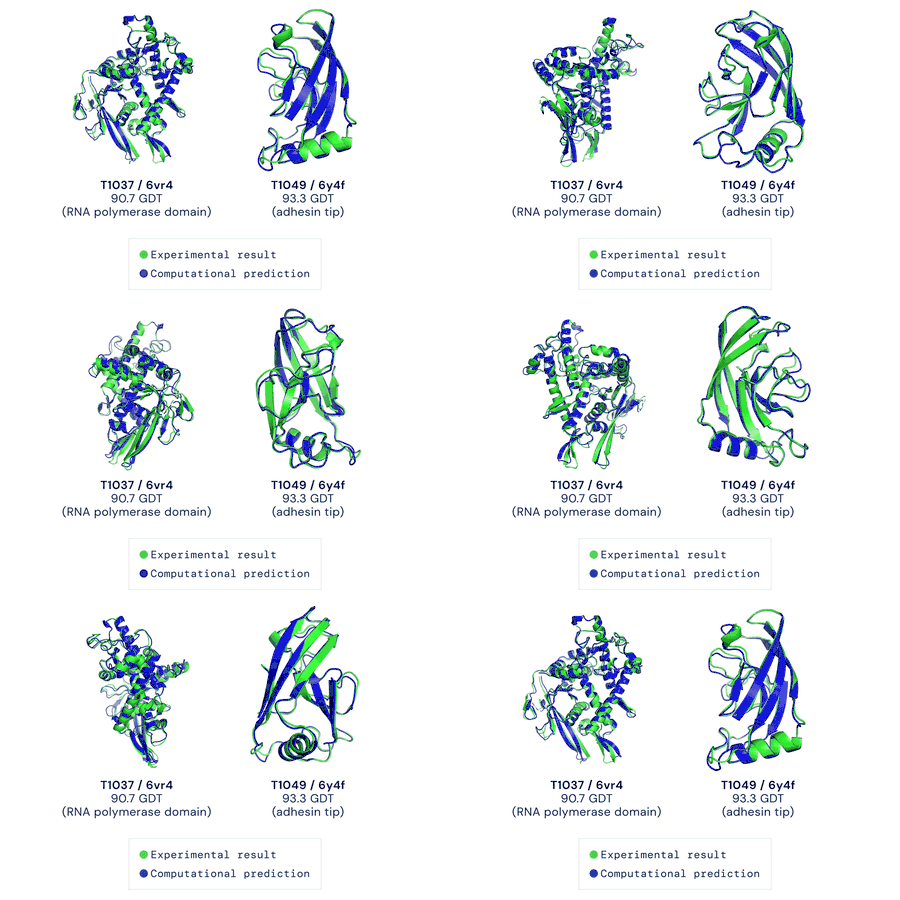
Breakthrough A.I. Makes Huge Leap Toward Solving 50-Year-Old Problem in Biology
Proteins are vital biological molecules, and it can require years of lab-based experiments to tease out the 3-D shape of just one
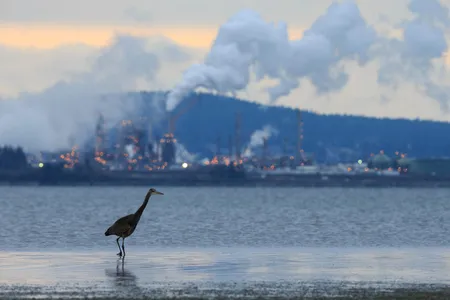
Study Estimates Clean Air Act Has Saved 1.5 Billion Birds
Over the last 40 years, bird populations across the U.S. did the best in places with the most stringent air pollution regulations

Newly Discovered Underground Rivers Could Be Potential Solution for Hawai’i’s Drought
The reservoirs could provide twice as much fresh water to tap into
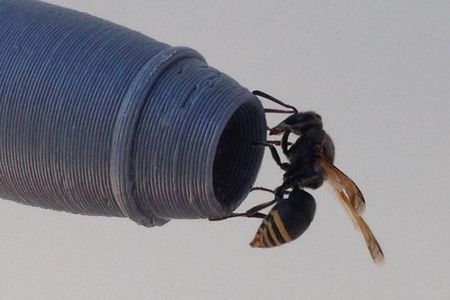
In Australia, Just One Wasp Can Ground an Airplane With a Strategically Placed Nest
Invasive keyhole wasps were building nests in the equipment pilots use to measure how fast they’re flying
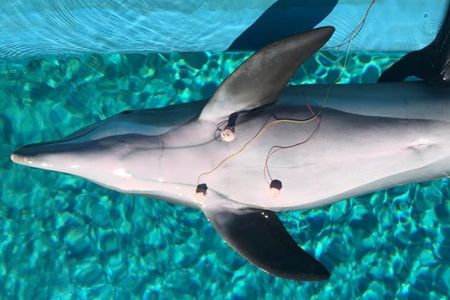
Dolphins May Be Able to Control Their Heart Rates
New study finds trained dolphins slow their hearts faster and more dramatically when instructed to perform long dives than short ones
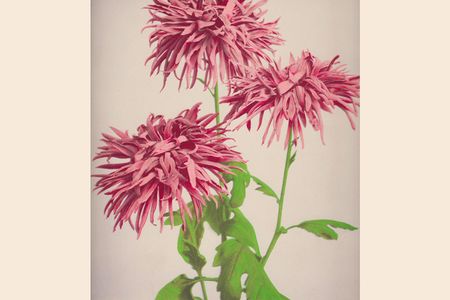
How Has Photography’s Relationship With Nature Evolved Over the Past 200 Years?
A new exhibition at London’s Dulwich Picture Gallery features more than 100 works documenting the natural world
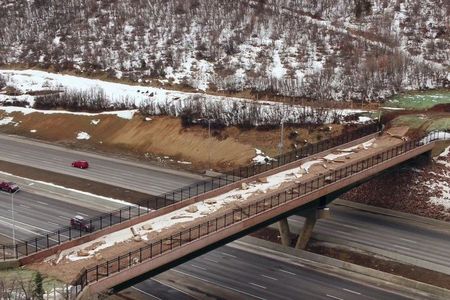
Animals Are Using Utah’s Largest Wildlife Overpass Earlier Than Expected
The state will conduct a full analysis of the bridge after three to five years, but early results are promising
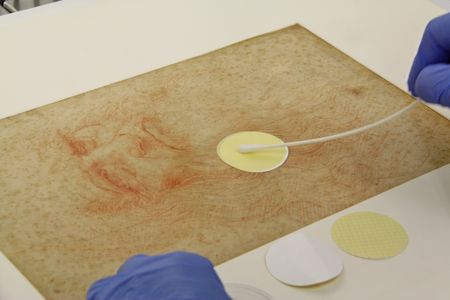
Hidden Microbes and Fungi Found on the Surface of Leonardo da Vinci Drawings
Researchers used new DNA sequencing technology to examine the “bio-archives” of seven of the Renaissance master’s sketches
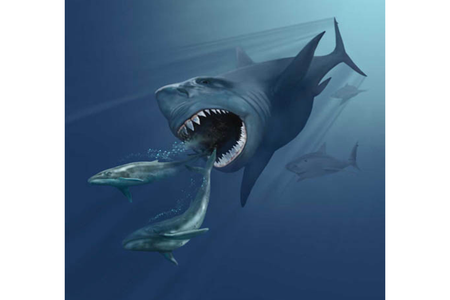
Megalodons, the Ocean’s Most Ferocious Prehistoric Predators, Raised Their Young in Nurseries
The fossils shed light on how these sharks were raised and what led to their ultimate demise
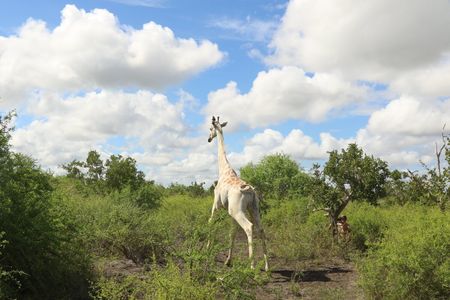
World’s Only Known White Giraffe Now Has a GPS Tracker
The young bull used to be one of a trio of white giraffes, but the two others were found dead in March
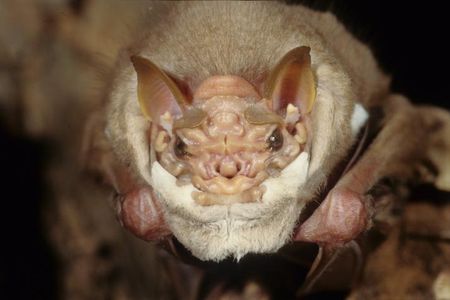
These Bats Mask Up to Woo Mates
Male wrinkle-faced bats use a furry neck flap to cover their faces while serenading the opposite sex in never-before-seen behavior

Are Small Gatherings Driving Recent Covid-19 Surges? Policymakers and Scientists Are at Odds
Data suggests that universities, indoor dining and large parties may be the bigger culprits
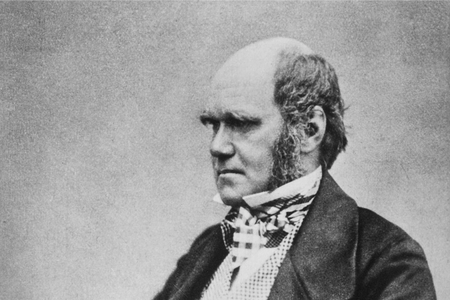
Two Darwin Notebooks Quietly Went Missing 20 Years Ago. Were They Stolen?
Staff at Cambridge University Libraries previously assumed that the papers had simply been misplaced in the vast collections
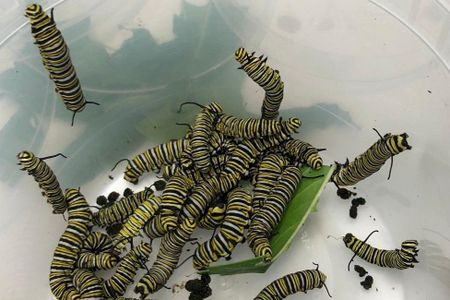
Monarch Caterpillars Butt Heads Over Milkweed
A new study finds the colorful butterfly larvae will aggressively lunge at each other in pursuit of an extra mouthful of food
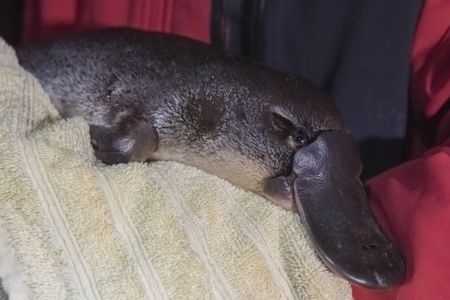
Platypuses Lost 22% of Their Habitat Over Last 30 Years
The startling finding comes in a report that documents the iconic Australian animal’s decline and recommends increased legal protections
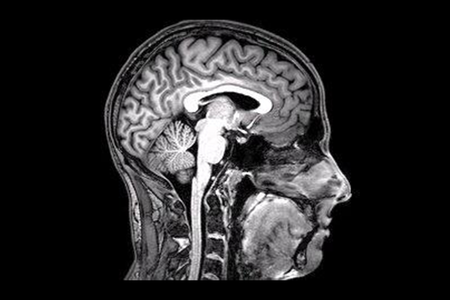
Why Hunger and Loneliness Activate the Same Part of the Brain
The study suggests that social interaction isn’t just comforting or fun—it’s a human need
Page 237 of 556