Subscribe to Smithsonian magazine and get a FREE tote.

Smart News / Smart News History & Archaeology

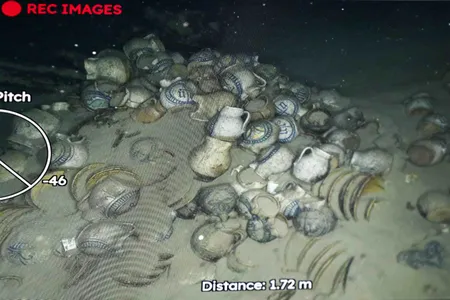
A remotely operated vehicle captured this image of the ceramics from the Camarat 4.

Here’s What Underwater Robots Are Finding at France’s Deepest Shipwreck, a 16th-Century Merchant Vessel Resting at the Bottom of the Mediterranean

Known as the “Camarat 4,” the ship was loaded with cannons, cauldrons and hundreds of ceramics—which are still visible on the seafloor. Researchers are surveying the site and carefully recovering a small selection of artifacts
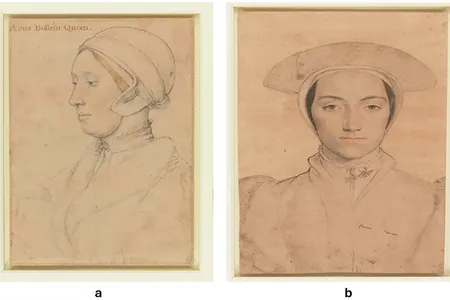
For centuries, the sketch on the left has been identified as Anne Boleyn, while the identity of the woman on the right has been unknown.

Did Facial Recognition Find a Lost Portrait of Anne Boleyn? Scholars Debate Whether A.I. Solved or Merely Muddled an Art History Mystery

Accused of treason, the second wife of Henry VIII lost her head. Now, some researchers argue that she also lost her face among dozens of potentially mislabeled portraits in a royal art collection
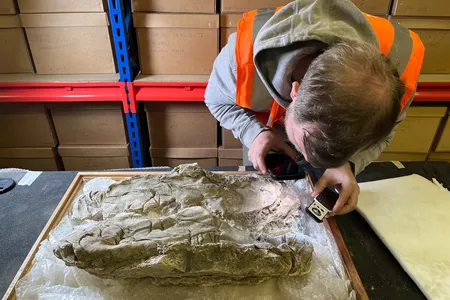
The funerary practice of pouring gypsum into ancient coffins means that imprints of clothing and bodies remain in burial sites in York, England.

Cool Finds

In the Ancient World, This Pigment Was Worth More Than Gold. Archaeologists Discovered It Buried With Babies in Roman Coffins

A funerary custom in Roman Yorkshire of pouring liquid gypsum over bodies before burial preserved traces of Tyrian purple
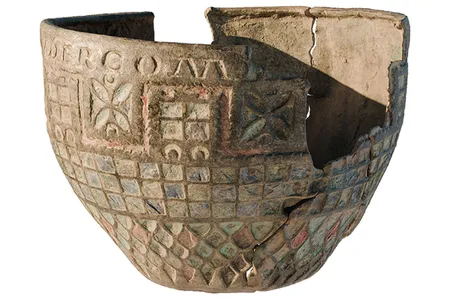
A virtual reconstruction of the Berlanga Cup

Cool Finds

This Souvenir Bowl May Have Commemorated an Ancient Roman Soldier’s Service at Hadrian’s Wall. It Was Discovered on a Spanish Farm 1,900 Years Later

The artifact is decorated with an illustration of the defensive fortification in northern England, but it was unearthed some 1,200 miles away. A new study suggests the design reflects a soldier’s achievements at the site
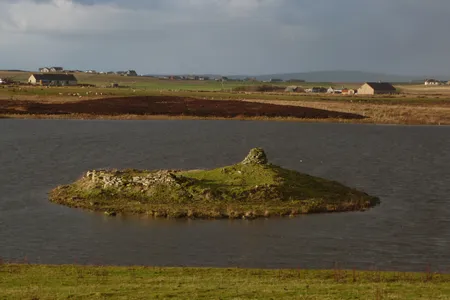
An example of a crannog, in the Loch of Wasdale

This Island in Scotland Is Actually a Man-Made Mini Landmass Resting on a Wooden Platform, New Discovery Shows

Scientists made significant advances in underwater archaeology techniques and photogrammetry while investigating the crannog site
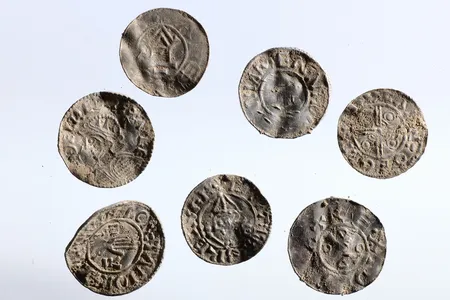
Seven of the coins from the newly discovered hoard, which is the largest of its kind ever found in Norway

Cool Finds

See the Largest Viking Age Hoard Ever Found in Norway. At Nearly 3,000 Coins and Counting, the Cache Is a Once-in-a-Lifetime Find

Buried in the mid-11th century, the stash includes silver pieces minted under rulers such as Cnut the Great, Aethelred the Unready and Harald Hardrada
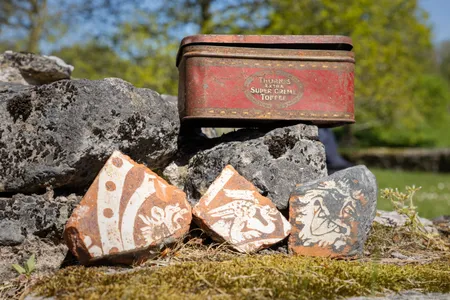
The broken clay tiles were kept in a toffee tin for nearly six decades.

Cool Finds

Six Decades Ago, a Boy Stole Medieval Tiles From an English Monastery. He Just Returned the Illicit Souvenirs

A ghoulish face and a graceful dragon decorate the broken clay tiles from the late 13th century or early 14th century. They were found tucked in an old toffee tin
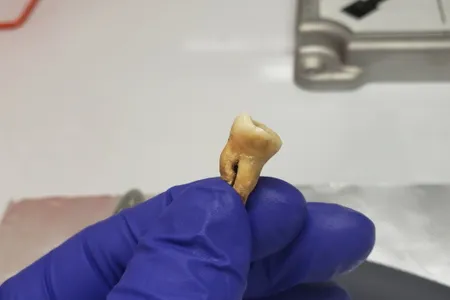
A tooth from the Jerash mass grave site

New Research

Dead Bodies Filled a Mass Grave When the First Plague Pandemic Struck This Early Medieval City. New Research Explores the Identity of the Victims

Researchers analyzed isotopes and DNA in the teeth of remains found in a mass grave from the Plague of Justinian, which swept through the Byzantine Empire

The HMS Victory at Portsmouth Historic Dockyard in England

How Do You Lift a 30,000-Pound Mast From a Warship Built a Record-Breaking 261 Years Ago? With a Really, Really Big Crane

HMS “Victory” served in the American Revolution, the French Revolutionary Wars and the Napoleonic Wars. It’s the world’s oldest warship still in commission—but it’s in desperate need of repairs
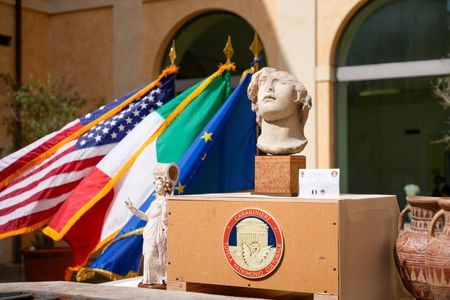
A marble bust of Alexander the Great depicted as the sun god Helios

Alexander the Great’s (Marble) Head Turned Up in New York. U.S. Officials Say It Was Stolen—and Just Sent It Back to Italy

As part of a longstanding effort to help Italy track down its missing treasures, the U.S. returned hundreds of ancient archaeological finds this week
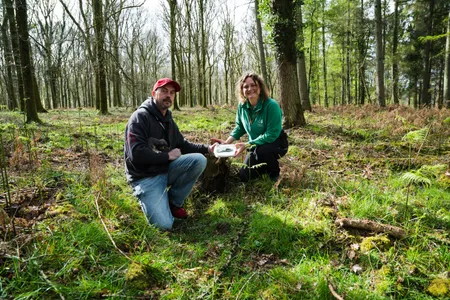
John Smith stumbled upon the ax head when he was walking his dog.

Cool Finds

A Man and His Dog Discovered a 3,400-Year-Old Ax Head While Out for a Walk in One of England’s Ancient Forests

Researchers believe the ax dates to between 1400 B.C.E. and 1275 B.C.E. and is a relic of the Bronze Age, when humans started to work with metal
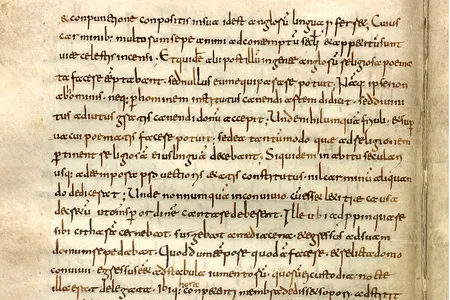
The page of the manuscript in Rome that contains “Caedmon’s Hymn”

Cool Finds

Researchers Discovered a Lost Copy of the Oldest English Poem, Composed by an Illiterate Cowherd More Than 1,300 Years Ago

This version of “Caedmon’s Hymn” shows how Old English evolved. It also features early use of a punctuation mark that readers of English take for granted today—the period—but not in the expected way
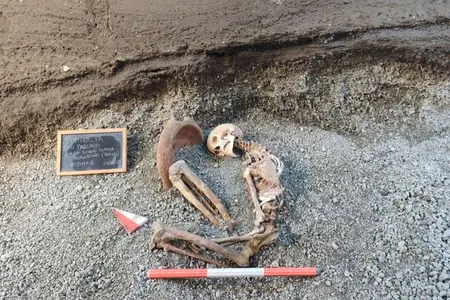
The man in his 30s was found just outside Pompeii's gates.

New Research

This Man Fled Pompeii as Mount Vesuvius Erupted. Archaeologists Found Him 2,000 Years Later, Holding a Bowl to Protect His Head and a Lamp to Light His Way

Recent excavations revealed two skeletons just outside the ancient city’s walls. Researchers also created an A.I.-generated reconstruction of one of the victim’s harrowing final moments
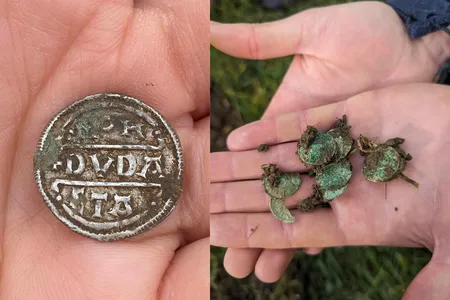
Metal detectorists uncovered 25 of the coins in the summer of 2022. Archaeologists later unearthed an additional 38.

Cool Finds

A Metal Detectorist Stumbled Upon a Silver Coin. It Turned Out to Be Part of a Stash Buried During the Viking Invasion of Britain

Archaeologists say that the 63 coins, most of which bear the name of King Burgred of Mercia, might have been hidden in the ninth century to keep them safe at a time of unrest

The Tees Transporter Bridge was a feat of engineering but has been closed due to structural concerns since 2019.

These Are the Top Ten ‘Endangered’ Buildings and Bridges in England and Wales—and They Tell Us a Lot About Life in the Victorian Era

Structures remaining from the height of the British Empire reveal changing economic, medical and education trends from the 1800s and early 1900s. But their legacy is at risk as they fall into disrepair
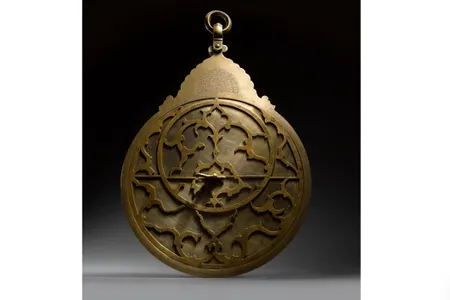
The astrolabe weighs more than 18 pounds.

This Giant 400-Year-Old Astrolabe—Made by Mughal Master Craftsmen and Owned by Royalty—Fetched Millions at Auction

Ancient Greek astronomers and early Islamic scientists used astrolabes as mechanical computers to calculate time, determine height and navigate by the stars
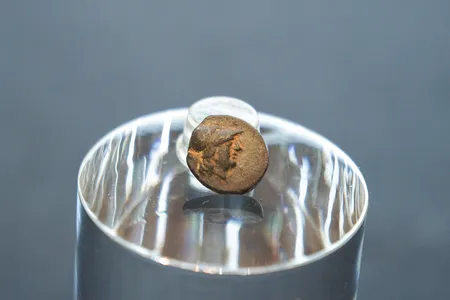
This ancient Greek coin is now on view in Berlin.

Cool Finds

A 13-Year-Old Boy Found This Bronze Coin in a Field. It Turned Out to Be the First Ancient Greek Artifact Discovered in Berlin

Minted in Troy in the third century B.C.E., the object might have been buried as a gift to the dead. Archaeologists don’t know exactly how it ended up in modern-day Germany
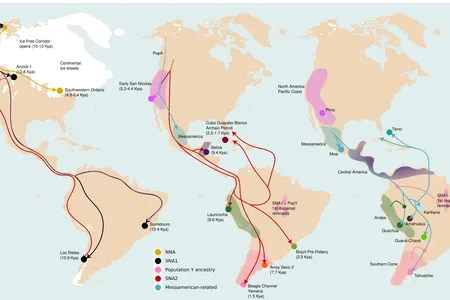
Scientists now think humans settled South America in three waves.

A New Big Database of DNA From Indigenous Americans Shakes Up Scientists’ Theories About Human Settlement of South America

Genomic data provides evidence for a previously unknown wave of migration, with Indigenous groups living in central and southern Mexico spreading into South America and the Caribbean starting around 1,300 years ago
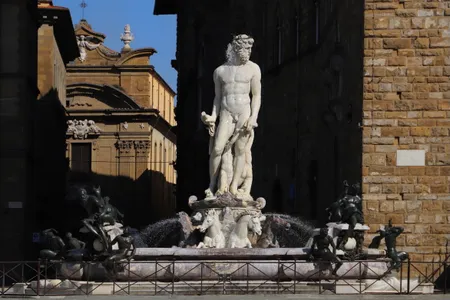
A duke in Florence commissioned the fountain in 1559.

A Tourist Damaged Florence’s ‘Fountain of Neptune’ While Attempting to Grope Its Marble Statue on a Dare

Fixing the fountain’s horse sculptures and frieze will cost nearly $6,000. The alleged offender is the latest tourist to harm artwork in response to peer pressure or in pursuit of social media clout
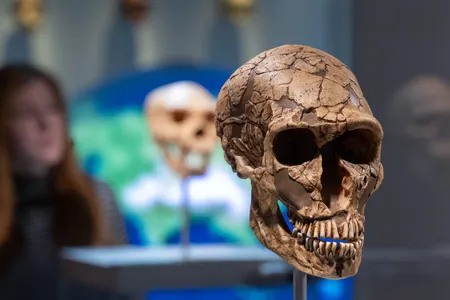
New research indicates that Neanderthals had the genetic hardware for language.

Did Neanderthals Have Language? New Research Suggests They Had the Genetic Hardware for It, Like Humans

Specific genomic regions that seem to play a role in human language development evolved hundreds of thousands of years ago, before humans and Neanderthals diverged from a common ancestor, a new study finds

Page 17 of 353