
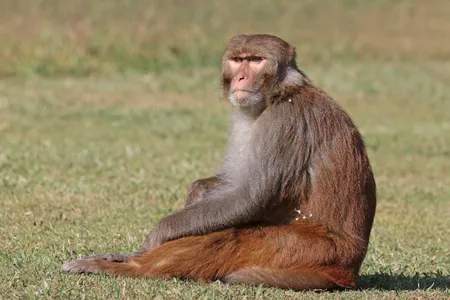
Two macaques learned to keep time with various songs, which might point to how humans got their sense of rhythm. But some scientists doubt that the primates’ feat, which required extensive instruction, can give evolutionary clues
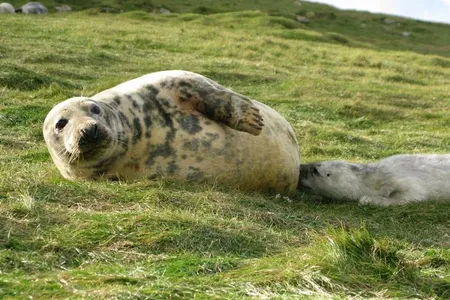
A new study found 332 types of complex sugar molecules in the seals’ milk, some of which help protect young from harmful bacteria. The discovery might one day help improve human health by boosting babies’ immune systems

A Historian Has Finally Uncovered the Identity of the Nazi Gunman in a Haunting Holocaust Photograph
The 1941 image shows a Nazi soldier pointing a gun at the head of a man kneeling at the edge of a pit filled with bodies. With help from A.I., the gunman has been identified as 34-year-old Jakobus Onnen
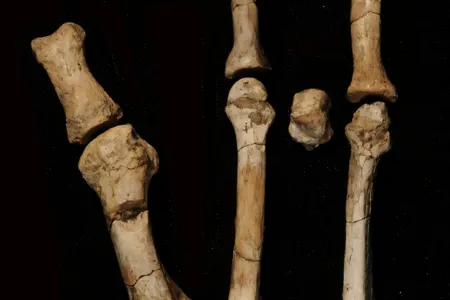
Newfound fossils in modern-day Ethiopia suggest that the mysterious foot belonged to a recently named species, Australopithecus deyiremeda. The finding could alter the story of human evolution
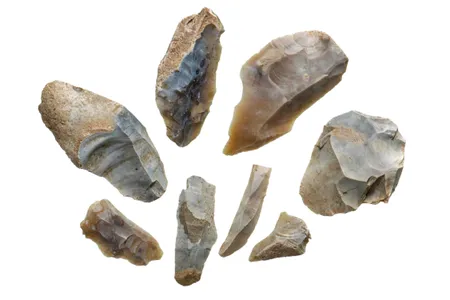
During restorations at the Palace of Westminster in London, excavations have revealed a trove of historic objects, the oldest of which date to around 4300 B.C.E.
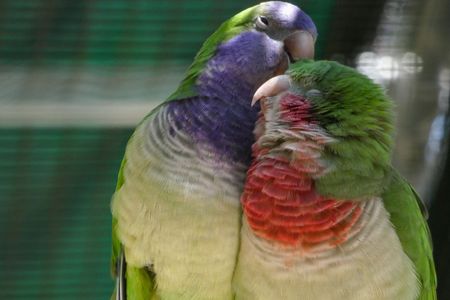
Monk Parakeets Are Highly Social Birds, but They Slowly ‘Test the Waters’ When Making New Friends
The bright green parrots start with low-cost social behaviors—like sitting near each other without touching—when first interacting with unfamiliar birds within their species, possibly to avoid aggressive encounters, new research suggests
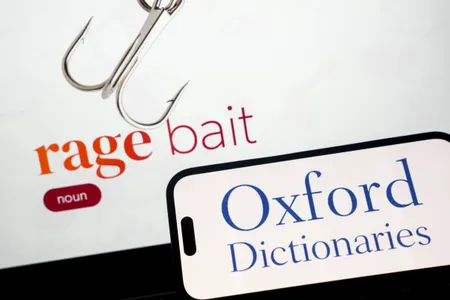
The term “has become shorthand for content designed to elicit anger by being frustrating, offensive or deliberately divisive in nature,” according to experts

Two genetic analyses suggest that our feline friends reached China around 1,400 years ago via the Silk Road, and that they traveled from North Africa to Europe around 2,000 years ago
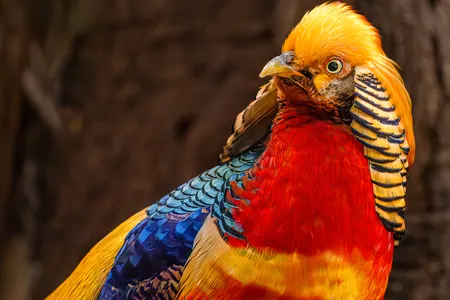
The adornments on the heads of male Lady Amherst’s and golden pheasants partially block their sight, according to new research, marking the first known sex-based differences in field of vision within bird species
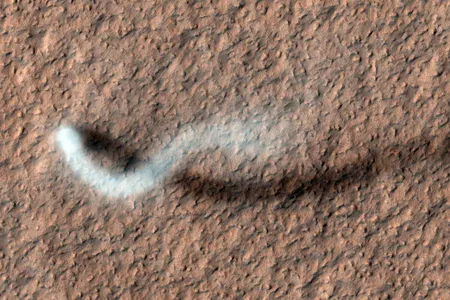
Rather than big bolts of lightning as seen on Earth, NASA’s Perseverance rover recorded audio of small zaps similar to those from static electricity
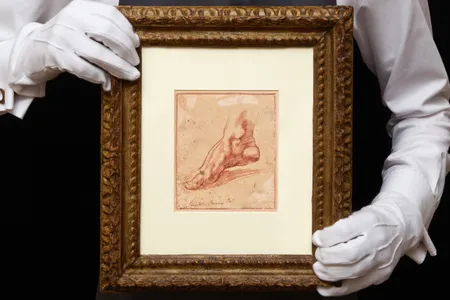
After an extensive investigation, the five-inch-tall sketch is heading to auction, where it’s predicted to sell for up to $2 million

The reimagined production follows the decline of the shipbuilding industry in Wallsend, England, where Sting grew up
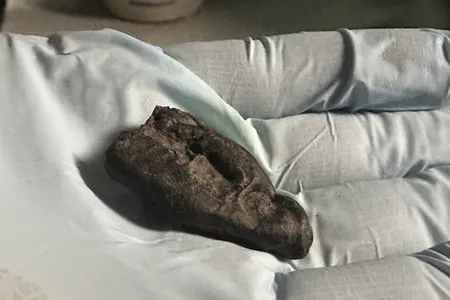
Ancient DNA Reveals That a Teenage Girl Chewed on This Wad of ‘Gum’ 10,500 Years Ago
Based on genetic material preserved in birch bark tar from Estonia, researchers found that the teen likely had brown hair and brown eyes
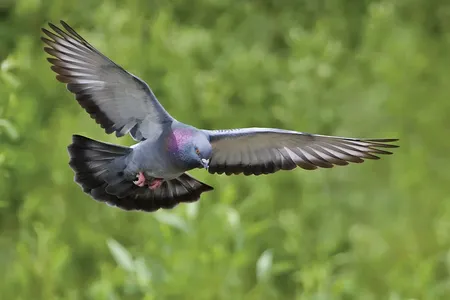
The vestibular system, a set of structures in the inner ears that helps with balance, may grant the birds their special ability
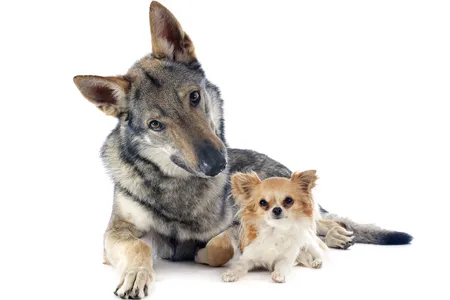
A DNA Analysis of Almost 3,000 Canines Suggests That Most Dogs Have a Little Wolf in Them
The two subspecies split about 20,000 years ago. But since then, they may have interbred more often than Smithsonian scientists thought
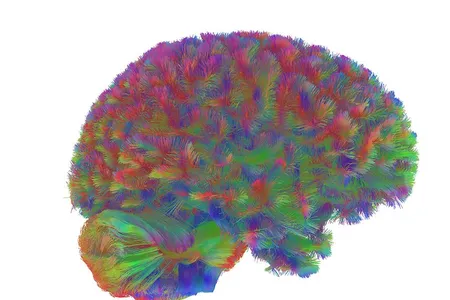
These eras of brain architecture are marked by four major turning points, which occur around the ages of 9, 32, 66 and 83, according to a new study
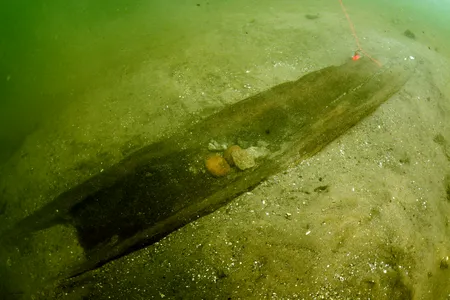
The team has several theories about how Indigenous groups created and used the vessels, which were discovered during research over the past five years
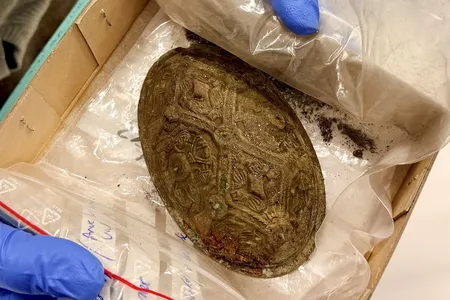
Mysterious Viking Age Woman Found Buried With Scallop Shells Covering Her Mouth
Archaeologists discovered the unusual ninth-century grave on a farm along the coast of central Norway

Will This Newly Approved Crash Test Dummy Make Car Accidents Less Deadly for Women?
The government approved the specifications of THOR-05F, marking a first step toward the government and manufacturers potentially using the dummy in future car safety tests. But it still represents only the smallest women in the United States

Little is known about the long-destroyed moon-forming planet, Theia. But it may have been born in the inner solar system—just like Earth—a new study suggests
Page 80 of 1155