
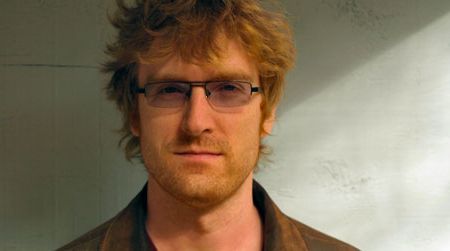
Interview With Ryan North, Creator of Dinosaur Comics
To get a better understanding of where Dinosaur Comics fits in the Venn diagram intersection of dinosaur blogs and web comics, I talked with its creator
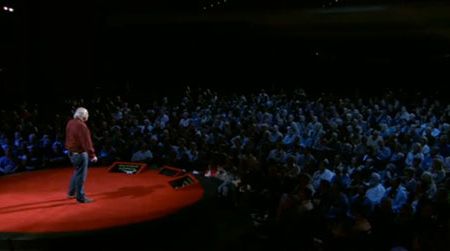
Jack Horner Explains How to Build a Dinosaur
By fiddling with the genetic toggles of birds, scientists might be able to reverse-engineer a dinosaurian creature
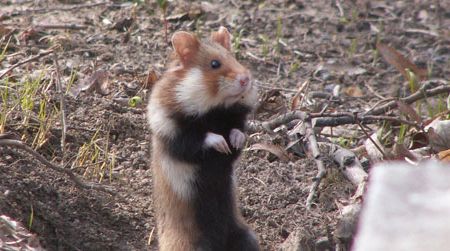
A European Union court has ruled that France should be doing more to protect the Great Hamster of Alsace
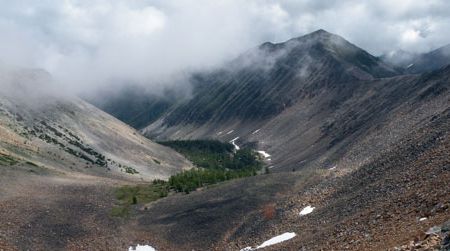
Rocky Mountains Losing Their Snow
A new study finds an unprecedented decline in snowpack in the West

Hidden Dinosaurs and Confusing Teeth
After many false starts, scientists finally understood the first fossils of horned dinosaurs

Colin Firth: Actor. Writer. Academy Award Winner. Scientist?
The star of the King’s Speech is the co-author on a paper examining political orientation and brain structure
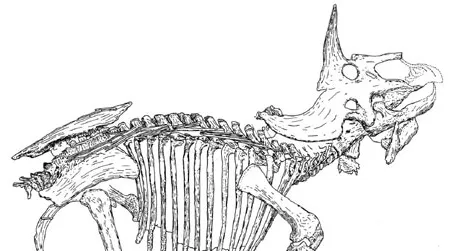
Paleontologists have recently learned how these three-horned dinosaurs fought, grew up and socialized
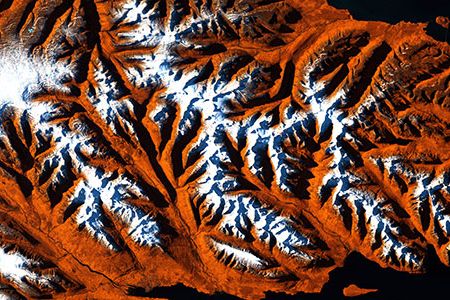
Dazzling Photographs of Earth From Above
Satellite images of mountains, glaciers, deserts and other landscapes become incredible works of art
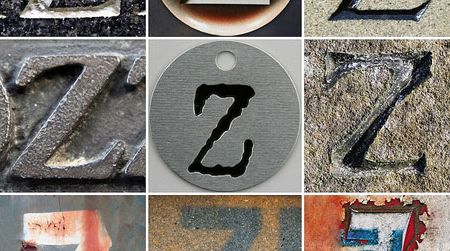
Does Your Last Name Affect Your Buying Habits?
Researchers claim that people with names at the end of the alphabet respond more quickly to purchasing opportunities
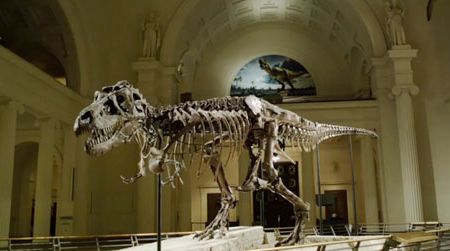
Waking the T. Rex Brings Sue to Life
The film showcases some of the new techniques paleontologists are using to investigate dinosaur lives
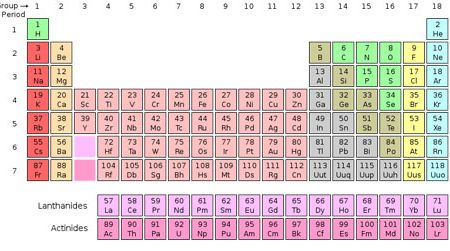
It’s official: Elements 114 and 116 do exist and belong on the periodic table
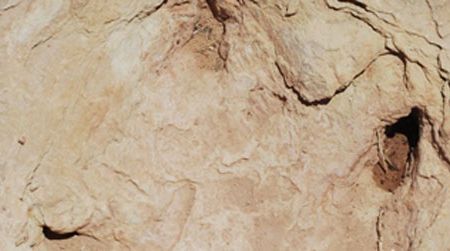
Dinosaur Diamond: Following an Injured Allosaurus
A fresh coating of dried mud gave the 150-million-year-old tracks a more recent look, as if dinosaurs had walked by just last week
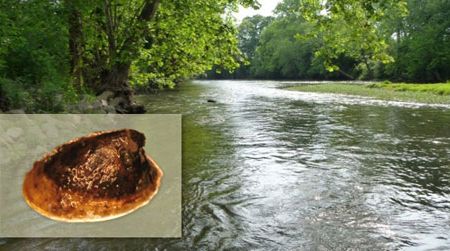
Alabama Snail Returns From the Dead
The wicker ancylid, declared extinct in 2000, has been found alive and well in Choccolocco Creek
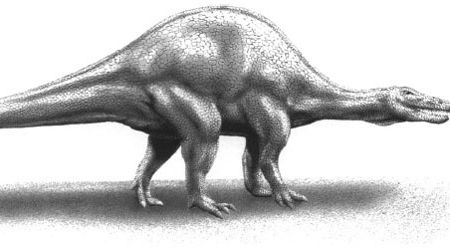
Was Spinosaurus a Bison-Backed Dinosaur?
Spinosaurus and Ouranosaurus were fundamentally different, and they remain among the most bizarre dinosaurs yet discovered
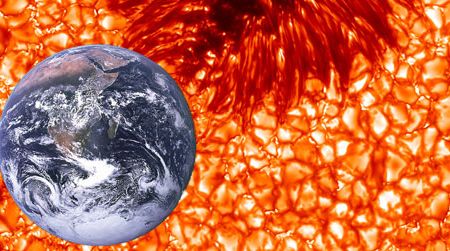
The Source of the Sun’s Dark Spots
A new study provides insight into how convection creates sunspots
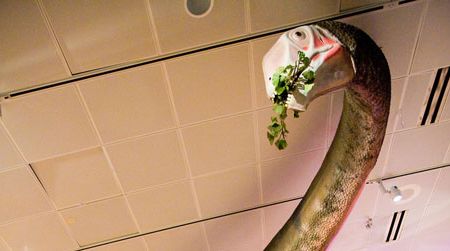
Should Mamenchisaurus go by the nickname Neckita? Mei Mei? Tiny? Vote now
Blog Carnival #32: Scientist Stereotypes, Sauropod Necks, Dinosaur Facts and More
The best of what’s being written about dinosaurs in the blogosphere
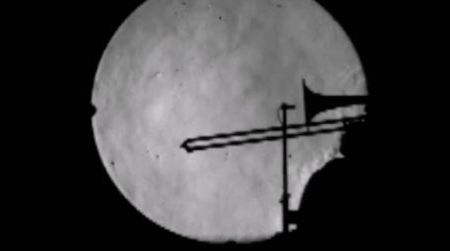
Scientists have generated the first video of a shock wave from a trombone
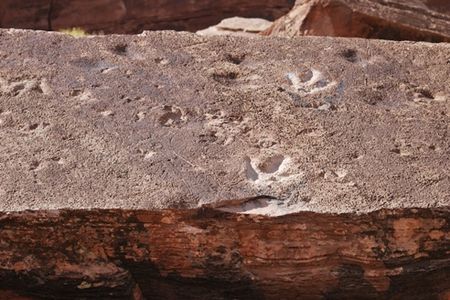
Dinosaur Diamond: Moab’s Potash Road
The area is piled high with sedimentary rock from the heyday of the dinosaurs. At a few spots, it’s easy to see the animals’ tracks
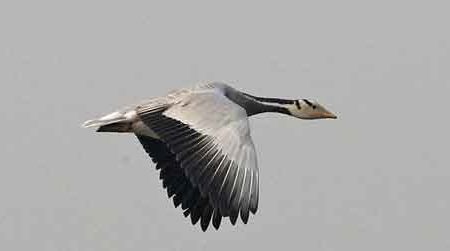
The Goose That Flies Over the Himalayas
The bar-headed goose spends its winters at sea level in India and its summers in central Asia
Page 316 of 441