

Dieting May Cause The Brain to Eat Itself
When “autophagy” was blocked, hunger signals were blocked and the mice became lighter and leaner

Wyoming Paleontology Dispatch #4: Paleontologists’ Summer Family
Mired in the mud? Need an emergency place to stay? The Churchill family has helped out for more than 80 years
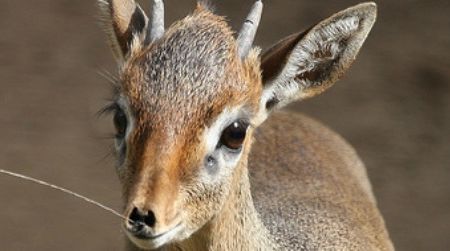
What In The World Is A Dik-dik?
Unlike other African antelope species, there are no herds of dik-diks. They form monogamous pairs that stand guard over their own territory
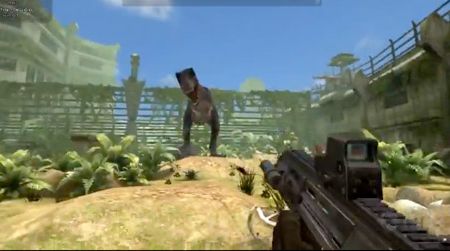
Battling the Dinosaurs of Project Blackout
Dinosaurs are handy video game monsters. They’re famous, fearsome and nearly unstoppable
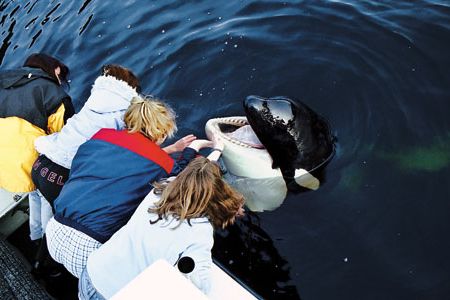
The true story of a lonely orca leaps from printed page to silver screen, with a boost from new technology
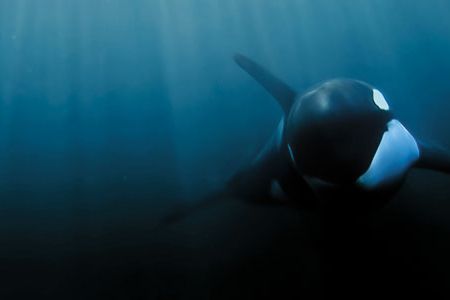
Researchers have found a variety of complex, learned behaviors that differ from pod to pod
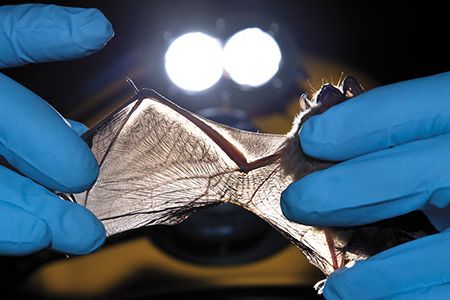
Can scientists stop white-nose syndrome, a new disease that is killing bats in catastrophic numbers?
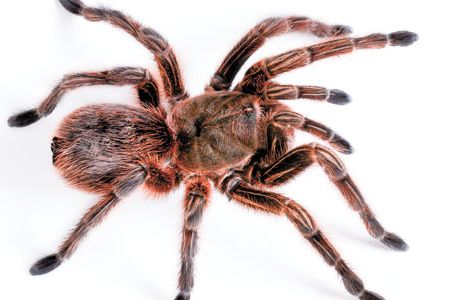
Wild Things: Tarantulas, Jellyfish and More…
Hummingbirds, attacking bears, ancient hominids and other news updates in wildlife research

The Vine With Its Own Bat Signal
Specially shaped leaves lure the flying mammals. The bats get a meal, and the flowers get pollinated
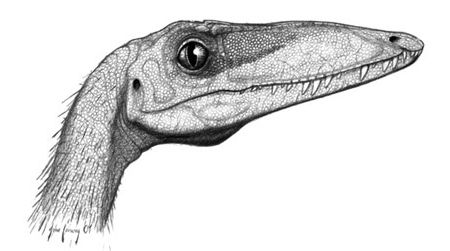
The Intriguing, Frustrating Camposaurus
Paleontologists have reexamined the paltry bones and affirmed that the creature is an important link to the early days of theropod dinosaurs
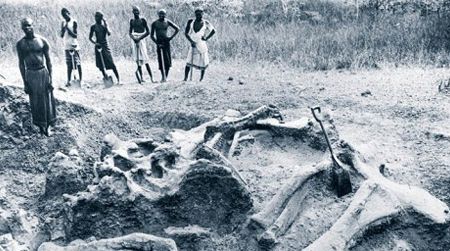
The African fossil sites preserve dinosaur fossils that are strangely similar to their North American counterparts
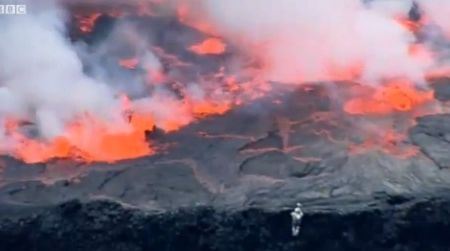
Getting this close to a bubbling cauldron of lava is not just dangerous; it’s stupid enough that even other volcanologists will yell at you
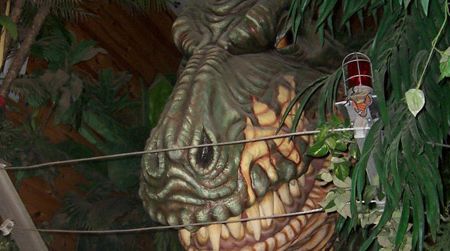
The ultimate roadside attraction features a T. rex that shakes its head, snaps its jaws and RAWRs

14 Not-So-Fun Facts About Mosquitoes
Mosquitoes are attracted to the carbon dioxide, lactic acid and octenol found in our breath and sweat. They may have a preference for beer drinkers

Does “Mr. Bones” really deserve credit for inventing an essential field tool?
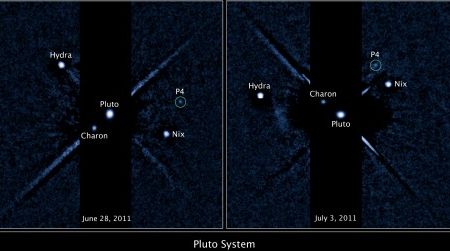
Disney characters aside, what would you choose to join this dark and dreary mythological circle? Styx, Erberus, Cerberus, Hypnos?
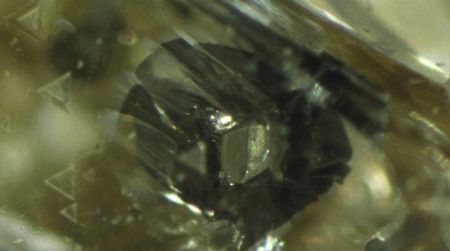
Diamonds Hold Secret About Plate Tectonics
When it comes to diamonds in jewelry, perfection is everything. But imperfections are a clue to the past
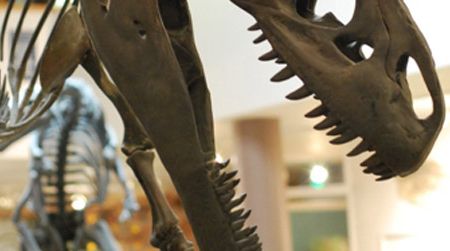
Taking a Bite Out of a Sauropod Tail
The tail vertebra has gouges, divots and scores in five places from at least two different predators
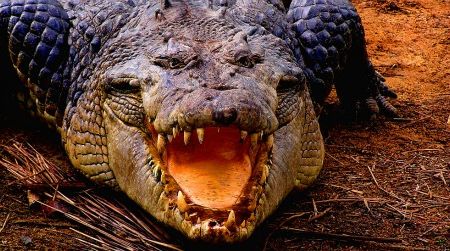
Most of us never come in contact with a deadly predator, but there are still enough encounters to remind us that humans are not the top of the food web
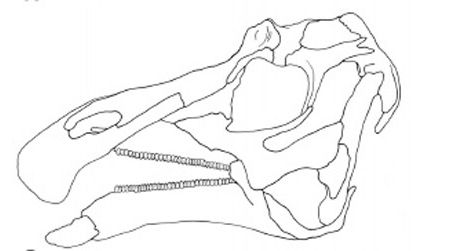
Acristavus: North America’s New Hadrosaur
Dinosaurs with weird structures such as sails and arrays of horns often make the news, but in this case, the lack of specialized structures is important
Page 312 of 441