
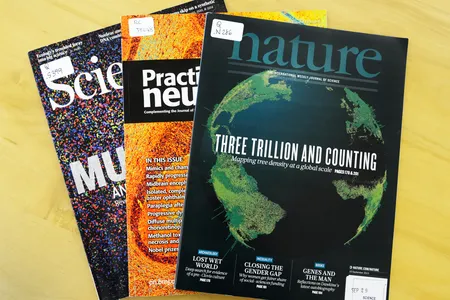
English Is the Language of Science. That Isn’t Always a Good Thing
How a bias toward English-language science can result in preventable crises, duplicated efforts and lost knowledge

Turning Ocean Garbage Into Gold
From the common plastic water bottle to the shoes of tsunami victims, one recycling organization tries to find a home for all ocean refuse
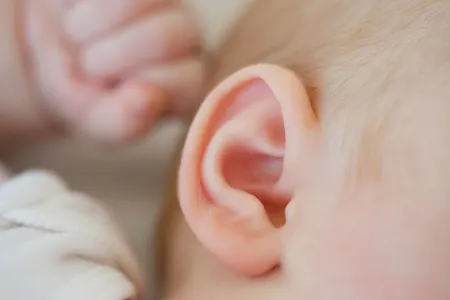
Hear This, 2017: Scientists Are Creating New Ears With 3D-Printing and Human Stem Cells
Two decades after the “earmouse,” researchers have mastered a powerful technique for growing ears from fat-derived stem cells
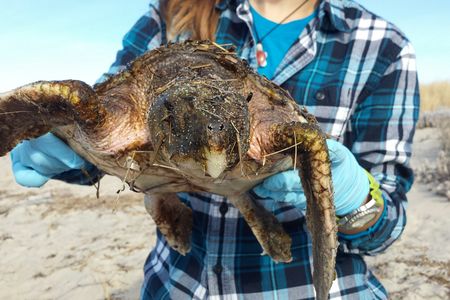
Why Are Endangered Sea Turtles Showing Up Cold and Seemingly Lifeless on Northeastern Shores?
In the past three decades, scientists have confronted a worsening epidemic of stranded Kemp’s ridley sea turtles
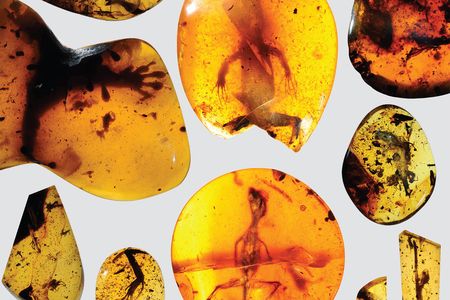
This Year in Ancient Amber: Prehistoric Feathers, Mushrooms, Lizards and More
It’s no Jurassic Park, but this treasure trove of new creatures will still transport you to an ancient world
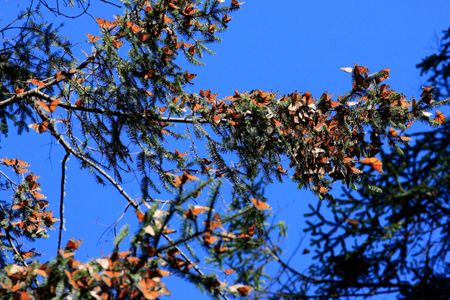
The Best Way to Protect the World’s Forests? Keep People in Them
Instead of kicking indigenous groups out, let them continue to manage these lands effectively, argues a new report

The Top 9 Baffling, Humbling, Mind-Blowing Science Stories of 2016
From gravity’s song to the evolutionary secrets of dogs, this year unlocked a treasure trove of scientific discovery
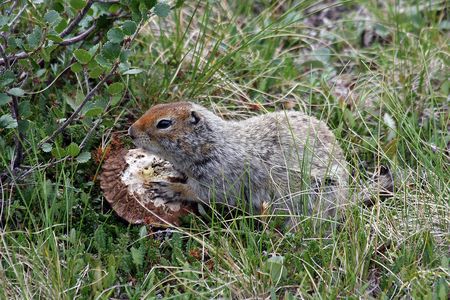
The Invasive Squirrel That Wasn’t
Everyone thought that the Arctic ground squirrel was an invasive species on this remote Alaskan island. A pair of scientists beg to differ.

For Your Contributions to Science, I Humbly Bequeath You This Pet Moose
A history of motivating scientific endeavor through cash prizes, islands and exotic pets
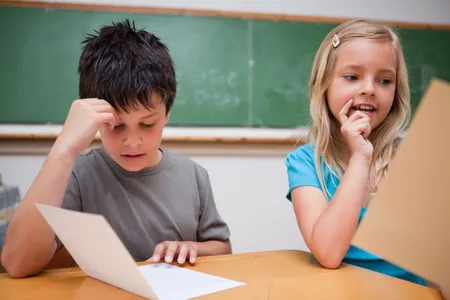
Dyslexia May Be the Brain Struggling to Adapt
The learning disorder may be less a problem with language processing, and more a problem with the brain rewiring itself
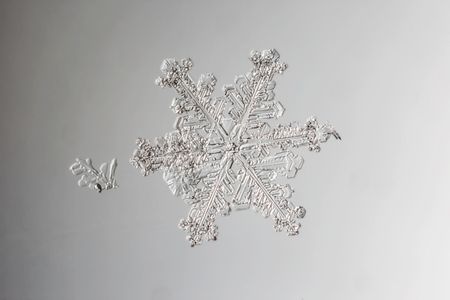
Scientists Find That Water Might Exist in a Whole New State
Think water comes in just liquid, ice and gas? Think again
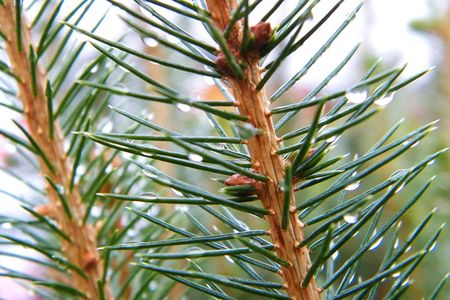
Can Science Produce a Longer Lasting Christmas Tree?
LED Christmas lights make the needles hold on longer, and other discoveries from the world’s only Christmas tree research center
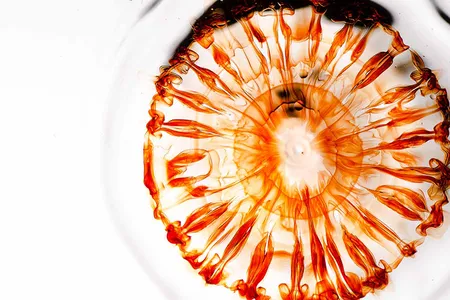
Time-Lapse Photos Reveal the Beauty of Metal Crystals Growing
Photographer Emanuele Fornasier spends hours capturing the intricacy of chemical reactions
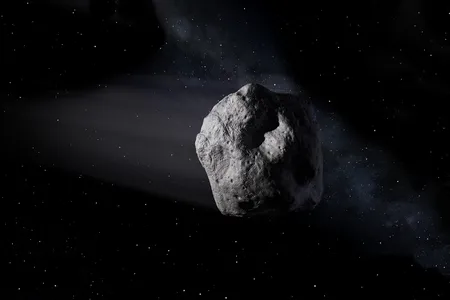
Sure, Earth Could Get Hit by a Deadly Asteroid—But There’s an Upside
Con: Devastating outer space impacts. Pro: Global unity!
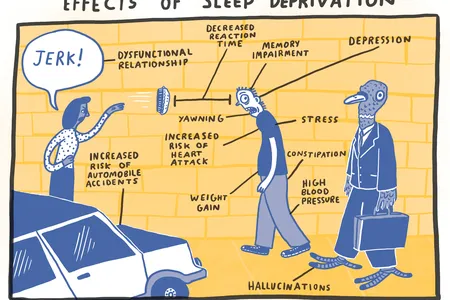
The Millennial’s Doctor Releases a Handbook on Bodies
Radiologist and Atlantic editor James Hamblin provides the answers we’d hear “If Our Bodies Could Talk”
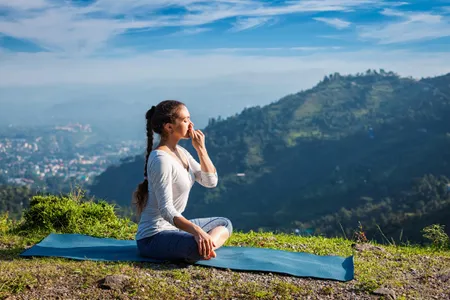
Your Breath Does More Than Repulse—It Can Also Tell Doctors Whether You Have Cancer
An artificial “nose” could be the next tool for diagnosing illnesses from cancer to Crohn’s disease

Violence Among Teens Can Spread Like a Disease, Study Finds
Surveys of thousands of American teens add evidence to the theory that violence spreads in communities like a contagion
Once a Year, Scientific Journals Try to Be Funny. Not Everyone Gets the Joke
Holiday editions add a much-needed dose of humor to boring journal-ese. But is entertaining readers worth the risk of misleading them?
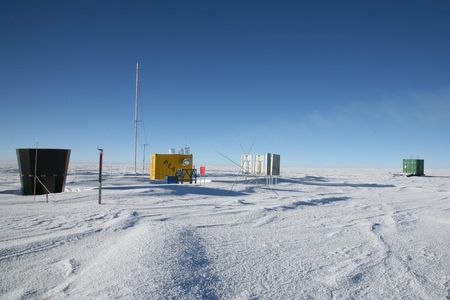
The Coldest, Driest, Most Remote Place on Earth Is the Best Place to Build a Radio Telescope
This remote Antarctic field station is an ice-covered arid desert, perfect for peering deep into space
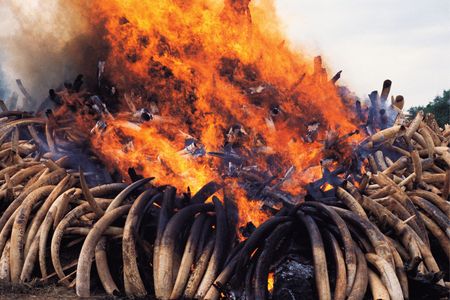
Wondering What a Bonfire Does to Your Lungs? We Answer Your Burning Questions
Setting large piles of stuff aflame can have significant environmental and human health impacts
Page 153 of 442