

In Eastern Idaho, the Blackfoot Ranch Rodeo Celebrates Cowboys, Craftsmanship, and Community
Unlike regular rodeos, ranch rodeos are generally more family-friendly and focus on showcasing ranch-related events and hand skills, teamwork, and horsemanship.
:focal(750x500:751x501)/https://tf-cmsv2-smithsonianmag-media.s3.amazonaws.com/filer_public/41/bf/41bfb1b9-f3cc-4c3e-ac9d-128e6833ac2d/bronson-3.jpg)
In 2026, the United States of America turns 250 years old. At the Center for Folklife and Cultural Heritage, we are embracing this historic moment by bringing the spirit of the Smithsonian Folklife Festival to you! Through Of the People: The Smithsonian Festival of Festivals, we are collaborating with more than thirty festivals across to country to showcase the nation’s remarkable cultural landscape.
In a state where there are typically miles between neighbors, the Blackfoot Ranch Rodeo and Indian Relay Races in Blackfoot, Idaho, provides a space for the community to come together to share and celebrate living culture, traditions, and craftsmanship. More than a series of competitions, it honors “ranch, family, and community.”
This week, Smithsonian Folklife Festival staff will travel to Idaho to collaborate with the organizers of the Blackfoot Ranch Rodeo, June 25 to 27, as part of our Of the People: The Smithsonian Festival of Festivals initiative. These events mark the 250th anniversary of the United States at events around the nation—and they also present opportunities to reconnect with Festival alumni.
In advance of the rodeo, I checked in with Bronson Carter, the eldest son of the Carter family from Pingree, Idaho, to get a preview of what to expect. Bronson and his sister Whitley have been formally apprenticing with their father, Chase Carter, to develop their skills and artistry as saddle makers, continuing a family tradition that dates back generations. Last summer, they participated in the Folklife Festival’s Youth and the Future of Culture program on the National Mall, presenting their artistry in saddle making, sharing perspectives and stories as ranchers and artisans, and hosting several hours of roping demonstrations.
Chase, along with Bronson’s uncles and aunt, are the core team organizing the Blackfoot Ranch Rodeo, which they revived in 2015 after a period of dormancy. They had grown up going to ranch rodeos, and they knew how important these events were to communities in the region.
“It’s different from a regular rodeo,” Bronson explained over the phone, during a brief break before competing in the Idaho High School Rodeo Association State Finals that evening. Ranch rodeos are generally more family-friendly and focus on showcasing ranch-related events and hand skills, teamwork, and horsemanship.
Bronson emphasized the relationship, rooted in teamwork, between a cowboy and his horse: “I’m really looking forward to the horse show on Friday morning because we have a horse that’s really nice and super fun to show. He never really messes up. So, as long as I can keep my part up, we should do good. We call him Top Gun.”
In the photos below, you can get a glimpse of the events, communities, and relationships that comprise this important regional gathering.
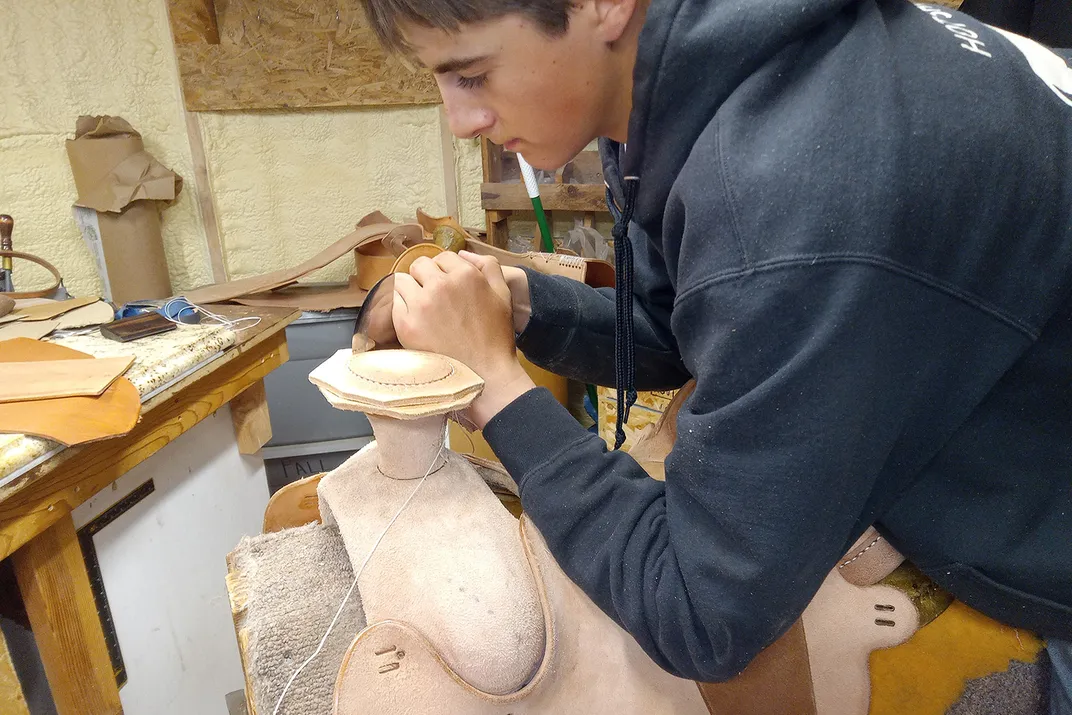
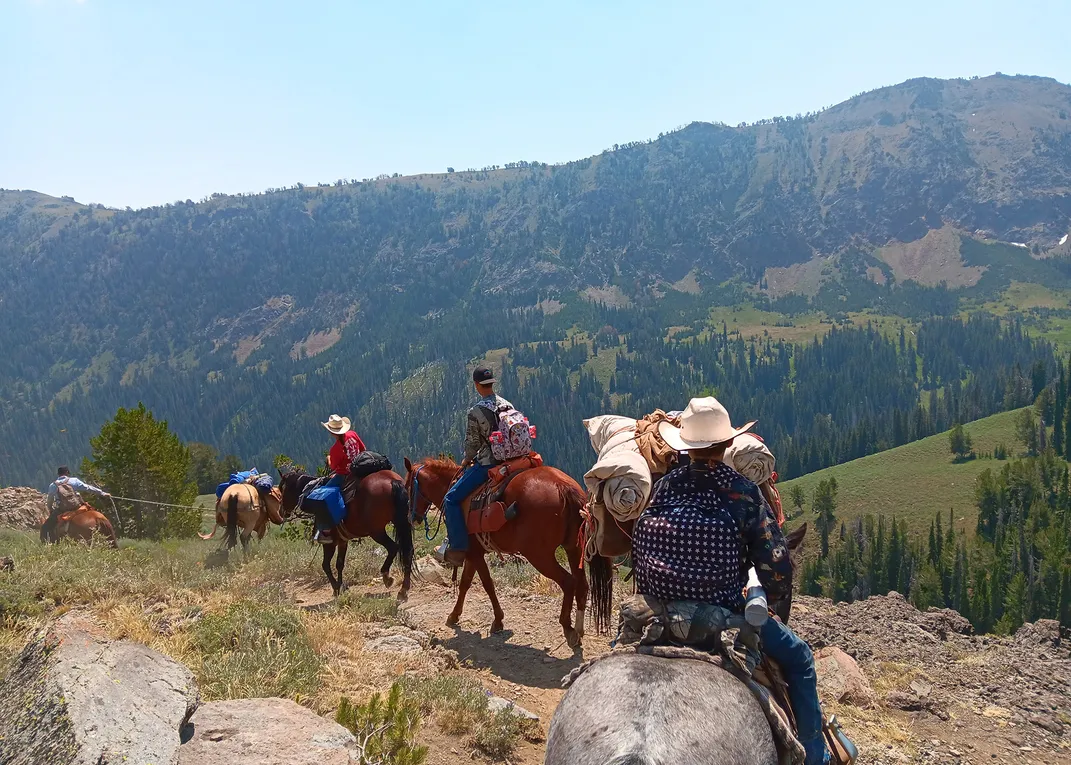
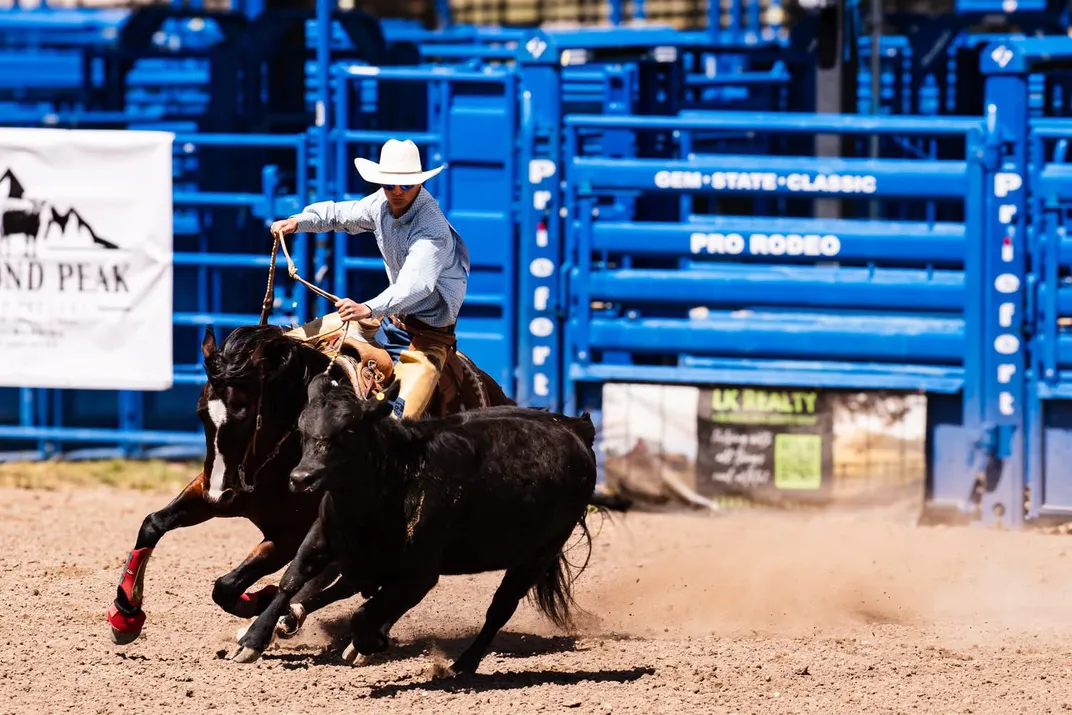
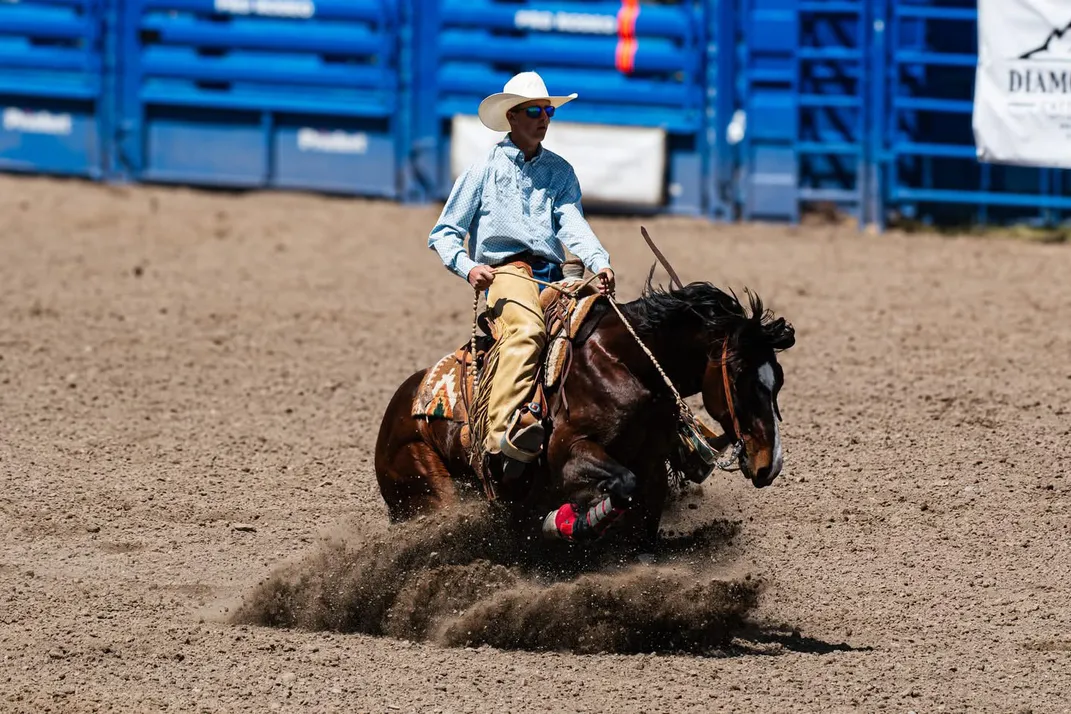
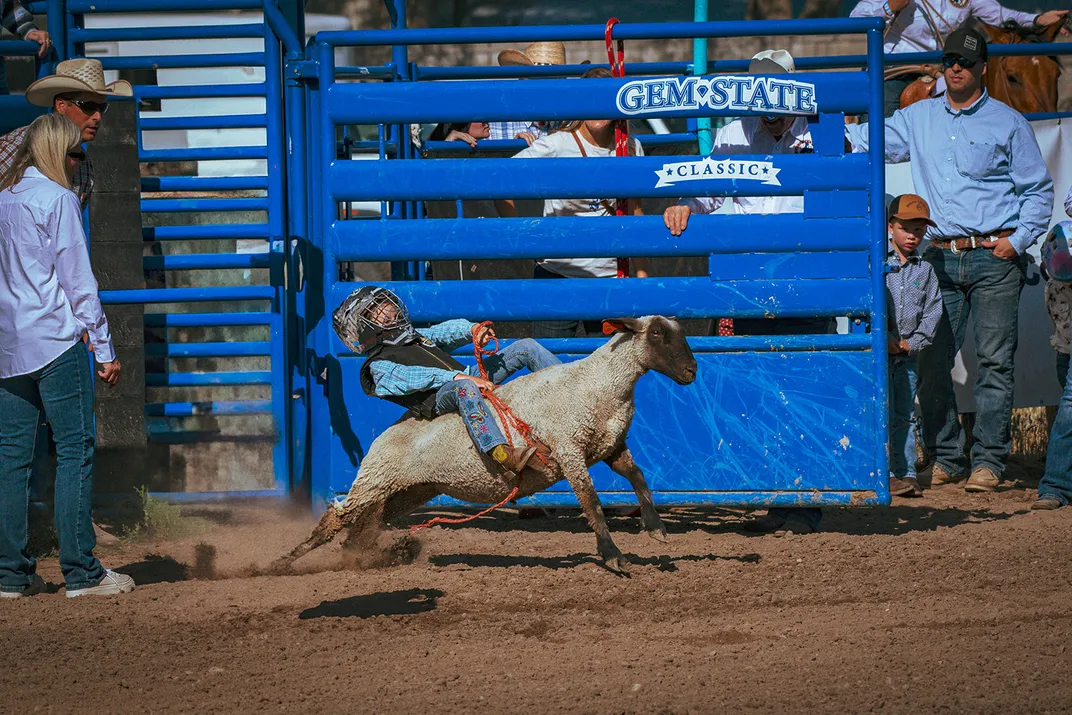
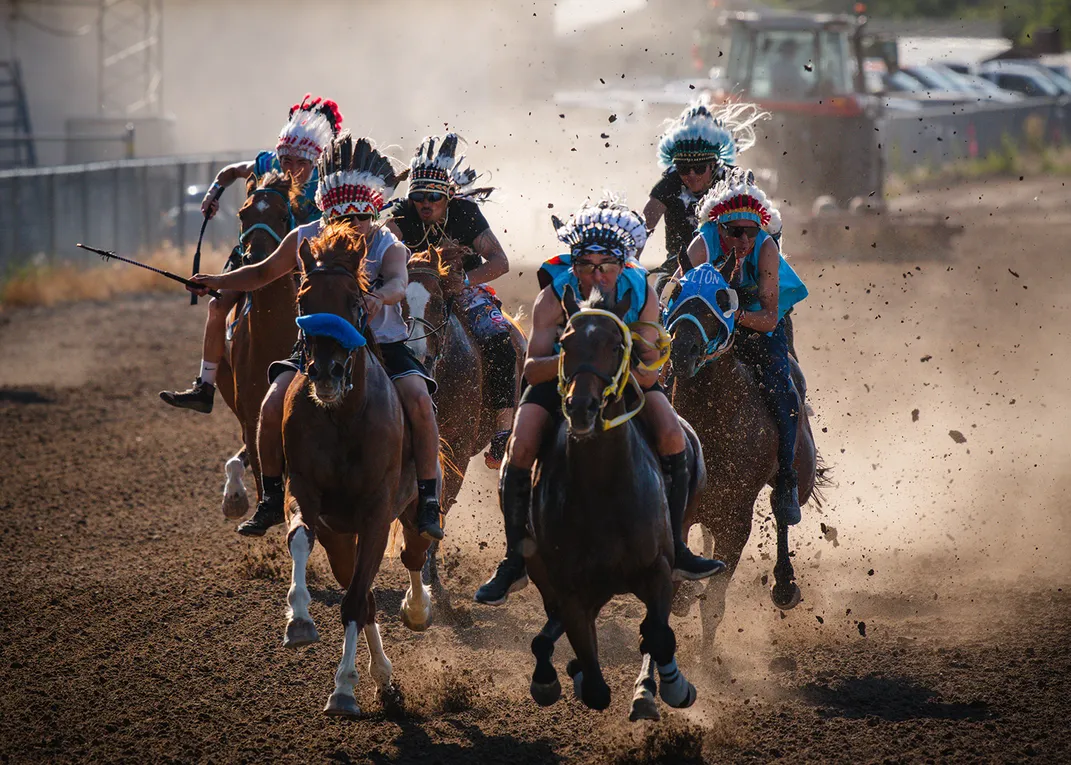
In addition to the ranch rodeo events, visitors can also expect to see a Western gear makers’ showcase, a vibrant marketplace with food and craft vendors, and the Indian Relay Races.
Presented by the Shoshone-Bannock Tribes, whose reservation borders the city of Blackfoot, the Indian Relay Races are often described as “the oldest extreme sport in America.” In teams of four people and three horses, one rider completes three laps bareback, leaping onto a new horse for each lap at full speed, while other team members “catch” the moving horse and prepare the awaiting horses. Participants must demonstrate pure athleticism and complete control of their horses. And as a Native sporting event, the races honor the spiritual significance of the horse within Shoshone-Bannock tradition.
Intrigued to learn and see more? Join us June 25 to 27 on the Eastern Idaho State Fairgrounds in Blackfoot, Idaho, or follow along this weekend on our Instagram channel and Blackfoot Ranch Rodeo’s Facebook page!
Sophia Fedus is a program coordinator at the Smithsonian Folklife Festival.