
Hiking Mount Kilimanjaro
A trek up the world’s tallest freestanding mountain takes you through five different ecosystems and offers a stunning 19,340-foot view
/https://tf-cmsv2-smithsonianmag-media.s3.amazonaws.com/accounts/headshot/Beth_Head_Shot_High_Res-14-v2.png)
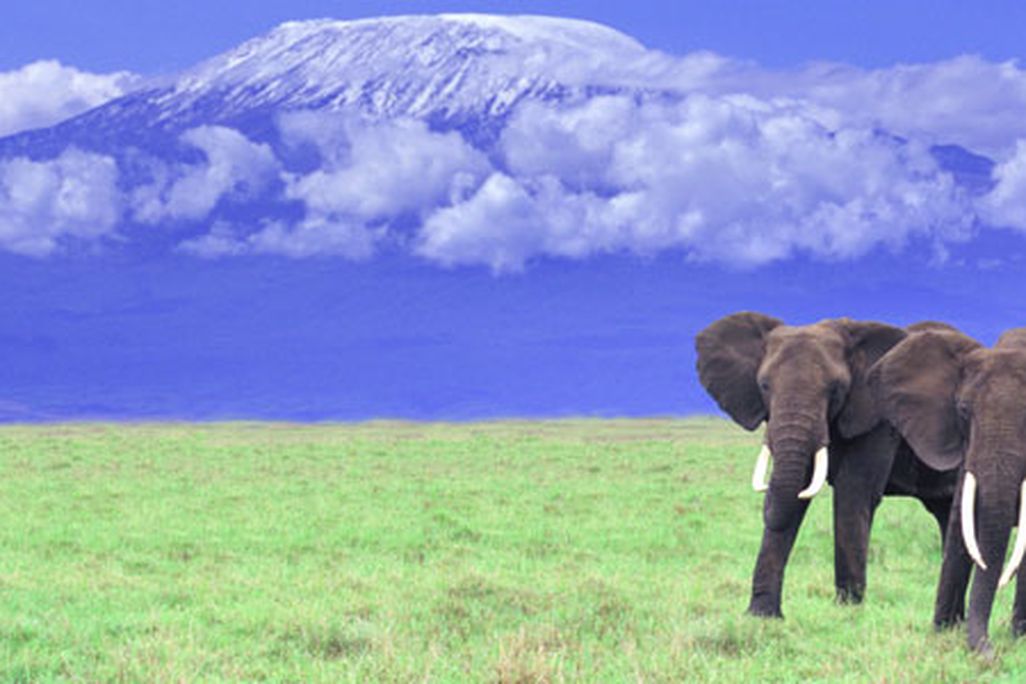
Every year some 15,000 hikers suit up and climb Mount Kilimanjaro, the world's tallest freestanding mountain. They hire porters and pay anywhere from $900 for a basic package to $5,000 for luxury accommodations. Hikers are forbidden to climb the 19,340-foot mountain, which is in Tanzania, East Africa, without a guide.
The mountain is deceptive. "When you look at Kilimanjaro from a distance, it just looks manageable," says hiker Dick Munson, whose 2000 attempt to conquer it was halted 1,000 feet from the top when his 12-year-old son, Daniel, developed severe headaches. Only one in ten people complete the five- to six-day trek to the peak. The trick is to walk as slowly as one mile an hour, giving the body time to acclimate to the thin mountain air. The six ascent trails take hikers through five different ecosystems, from rain forest to arctic tundra, and temperatures from 90 degrees to 10 degrees Fahrenheit. After a while, says Munson, "you start thinking, is this really worth it?"
Nicolai Calabria says it is. The 13-year-old raised $57,000 for the Free Wheelchair Mission when he reached the summit last September. Nicolai was born without a right leg, a disability that he says has never hindered him. "I call it my challenge," he says. "I challenged the challenge."
/https://tf-cmsv2-smithsonianmag-media.s3.amazonaws.com/filer/413kilimanjaro715.jpg)
/https://tf-cmsv2-smithsonianmag-media.s3.amazonaws.com/filer/234kilimanjaro715.jpg)
/https://tf-cmsv2-smithsonianmag-media.s3.amazonaws.com/filer/37995kilimanjaro715.jpg)
/https://tf-cmsv2-smithsonianmag-media.s3.amazonaws.com/filer/37311kilimanjaro715.jpg)
/https://tf-cmsv2-smithsonianmag-media.s3.amazonaws.com/filer/25554kilimanjaro715.jpg)
/https://tf-cmsv2-smithsonianmag-media.s3.amazonaws.com/accounts/headshot/Beth_Head_Shot_High_Res-14-v2.png)
Planning Your Next Trip?
Explore great travel deals
A Note to our Readers Smithsonian magazine participates in affiliate link advertising programs. If you purchase an item through these links, we receive a commission.