
Diving Into the Great Barrier Reef
Beautiful beaches and unrivaled underwater views lure lovers of marine life to the world’s largest coral reef
/https://tf-cmsv2-smithsonianmag-media.s3.amazonaws.com/accounts/headshot/tom-frail-head-shot.jpeg)
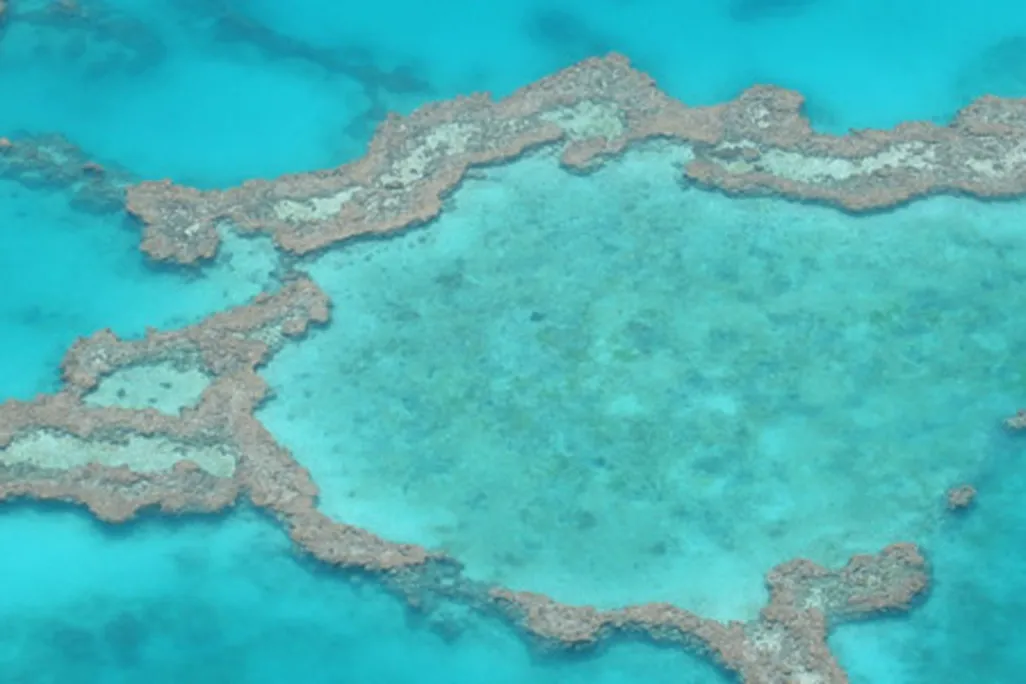
To say that the Great Barrier Reef is the world's largest coral reef may be understating things; the Australian government notes that it is "the only living organic collective visible from Earth's orbit." Certainly, it is vast—a conglomeration of some 3,000 reefs and 600 islands stretching more than 1,250 miles along Australia's northeast coast. Green turtles, dolphins and whales live there, along with 200 species of birds, 1,500 species of fish, 4,000 species of mollusks and, yes, an abundance of corals.
But big does not mean indestructible. The Great Barrier Reef Marine Park Authority, which has jurisdiction over much of the reef, has taken steps to control water pollution, conserve coastal wetlands and set rules for who can do what and where. Global warming is a more difficult challenge: rising sea temperatures are causing mass coral bleaching—episodes in which corals lose their color after expelling the one-celled algae that live within their tissues. This is a sign of stress, and it can kill afflicted corals. A recent report by the Intergovernmental Panel on Climate Change projects annual bleachings by as early as 2030. One possible result: a "functionally extinct" ecosystem by 2050.
The reef attracts about two million visitors a year, but that's OK, says Terry Hughes, director of the Australian Research Council's Centre of Excellence for Coral Reef Studies. "The tourism industry is an active advocate for the reef," he explains. "Tourists are taught to look but not touch, and to be careful when reef walking or snorkeling."
/https://tf-cmsv2-smithsonianmag-media.s3.amazonaws.com/filer/34369greatbarrierreef715.jpg)
/https://tf-cmsv2-smithsonianmag-media.s3.amazonaws.com/filer/University-of-Denver-GBR715.jpg)
/https://tf-cmsv2-smithsonianmag-media.s3.amazonaws.com/filer/_Christian-HaugenGBR715.jpg)
/https://tf-cmsv2-smithsonianmag-media.s3.amazonaws.com/filer/_babasteveGBR715.jpg)
/https://tf-cmsv2-smithsonianmag-media.s3.amazonaws.com/filer/_noamlGBR715.jpg)
/https://tf-cmsv2-smithsonianmag-media.s3.amazonaws.com/accounts/headshot/tom-frail-head-shot.jpeg)
Planning Your Next Trip?
Explore great travel deals
A Note to our Readers Smithsonian magazine participates in affiliate link advertising programs. If you purchase an item through these links, we receive a commission.