• About Smithsonian
  • Email Updates
  • Member Services
  • Shop
  • Archive

Smithsonian.com

  • Smithsonian Institution
  • Smithsonian Channel
  • goSmithsonian
  • Air & Space magazine
  • Home
  • History & Archaeology
  • People & Places
  • Science & Nature
  • Arts & Culture
  • Travel
  • Subscribe
  • Africa & the MiddleEast
  • Americas
  • Destination Hunter
  • Europe & Asia Pacific
Angkor Wat

David Licence, iStockphoto

  • Travel

Angkor Wat

  • By Bruce Hathaway
  • Smithsonian magazine, January 2008

Article Tools

 
  • Font
  • Email
  •  
  • Print
  • Comments
  •  
  • RSS
  • Photo Gallery


    India

    The Smithsonian Life List

    28 Places to See Before You Die


    The Smithsonian Life List

    Smithsonian Magazine Staff

    Keeping our readers' interests in mind, we've traveled the globe in search of destinations certain to inspire

    Jewel of the Jungle

    Cardiff de Alejo Garcia

    Traveling through Cambodia, our writer details the history and archaeology of Angkor's ancient temples

    Most Popular

    • Viewed
    • Emailed
    1. You got a problem with that?
    2. Acadia Country
    3. Ancient Citadel
    4. End of the Road
    5. The Life Aquatic with Bruce Mozert
    6. Back to the Frontier
    7. Sleeping with Cannibals
    8. The Nature of Cuba
    9. Mystery Man of Stonehenge
    10. Forbidden No More
    1. You got a problem with that?
    2. Acadia Country
    3. Ancient Citadel
    4. End of the Road
    5. The Life Aquatic with Bruce Mozert
    6. Muskrat Love
    7. Back to the Frontier
    8. Sleeping with Cannibals
    9. Egypt's Crowning Glory
    10. Letter from Lahore: Reinventing Pakistan

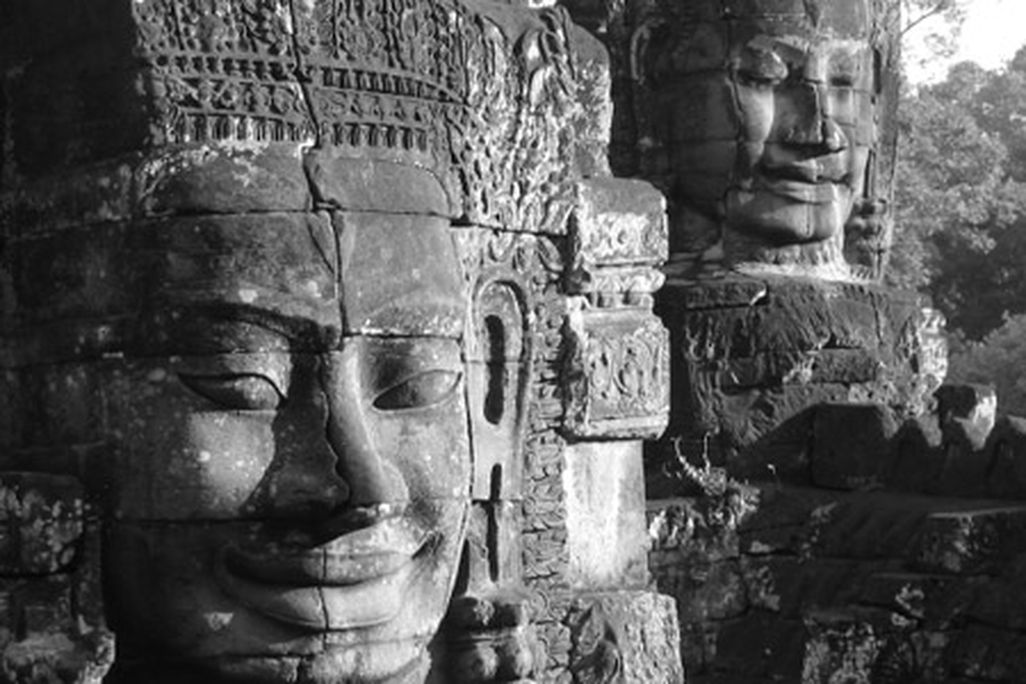
    Photographer Michael Freeman has seen it all. He's been to the Valley of the Kings in Egypt and remote temples in Sudan's Nubian desert. Yet nothing has moved him in the same way as Angkor Wat (see above) in Cambodia, where "scale, artistry and location are all superlative."

    Angkor Wat is actually just one of more than a dozen magnificent temples in the vast metropolis of Angkor, the capital of the Khmer Empire from the 9th to the 15th centuries. Within Angkor Wat, carved bas-reliefs illustrate scenes from the Ramayana and the Mahabharata—epic poems that are also sacred Hindu texts. "Just think that the single temple of Angkor Wat has the same tonnage of rock as the Pyramid of Cheops," marvels Freeman, "yet much of it is carved." Small wonder then that at least two million tourists visited Angkor in 2007—and that number is expected to increase by more than 15 percent a year. The best way to avoid the crowds is to go off-season (May-October), when you can stand quietly among ruins embedded in the surrounding rain forest.

    Photographer Michael Freeman has seen it all. He's been to the Valley of the Kings in Egypt and remote temples in Sudan's Nubian desert. Yet nothing has moved him in the same way as Angkor Wat (see above) in Cambodia, where "scale, artistry and location are all superlative."

    Angkor Wat is actually just one of more than a dozen magnificent temples in the vast metropolis of Angkor, the capital of the Khmer Empire from the 9th to the 15th centuries. Within Angkor Wat, carved bas-reliefs illustrate scenes from the Ramayana and the Mahabharata—epic poems that are also sacred Hindu texts. "Just think that the single temple of Angkor Wat has the same tonnage of rock as the Pyramid of Cheops," marvels Freeman, "yet much of it is carved." Small wonder then that at least two million tourists visited Angkor in 2007—and that number is expected to increase by more than 15 percent a year. The best way to avoid the crowds is to go off-season (May-October), when you can stand quietly among ruins embedded in the surrounding rain forest.


    Comments

    I recently returned from a trip that included Ankor Wat. It was the highlight of my vacation to Southeast Asia. One can only imagine the spendor of those Temples when then were built. The carved bas-reliefs depicting events, told in epic poems, pass right before your eyes. It is a magical place, where you see visitors and monks alike enjoying the serenity of the ruins.

    Posted by joan filderman on March 12,2008 | 04:42PM

    Post a Comment


    Name: (required)

    Email: (required)

    Comment:


    Advertisement

    In The Magazine

    May 2008

    • Acadia Country
    • Ancient Citadel
    • The Life Aquatic with Bruce Mozert
    • Back to the Frontier
    • End of the Road
    • Who's Laughing Now?
    • Hidden Depths

    View Table of Contents

    Advertisement

    Marketplace

    Gifts, Gadgets & Great Finds!

    Now you can visit the sites of select advertisers directly!

    Promotions

    Subscribe Today & Win a FREE Trip to Paris!

    Smithsonian magazine presents

    5th Annual Photo Contest

    Review and discuss the 50 finalists now >>

    ECOCENTER

    Greener Living

    Celebrate Earth Day with Smithsonian.com


    View full archiveRecent Issues


    • May 2008


    • Apr 2008


    • Mar 2008

    Newsletter

    Sign up for regular email updates from Smithsonian magazine, including free newsletters, special offers and current news updates.

    Subscribe Now

    About Us

    Smithsonian.com expands on Smithsonian magazine's in-depth coverage of history, science, nature, the arts, travel, world culture and technology. Join us regularly as we take a dynamic and interactive approach to exploring modern and historic perspectives on the arts, sciences, nature, world culture and travel, including videos, blogs and a reader forum.

    Explore our Brands

    • goSmithsonian.com
    • Smithsonian Air & Space Museum
    • Smithsonian Institution
    • Smithsonian Catalogue
    • Smithsonian Journeys
    • Smithsonian Channel
    • Site Map
    • Privacy Policy
    • Copyright
    • About Smithsonian
    • Contact Us
    • Advertising
    • Reader Panel
    • Subscribe
    • RSS

    Smithsonian Institution