
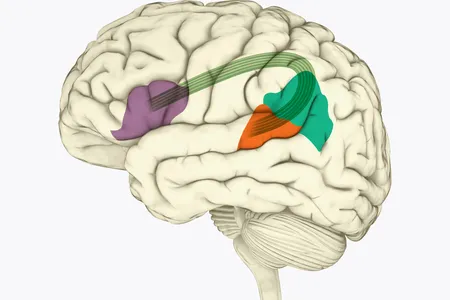
Where Does Language Originate in the Brain? New Research Challenges Our 150-Year-Old Understanding
Researchers long thought that a region called Wernicke’s area, located just above the left ear, solely played a role in comprehending language. Now, a study suggests that it’s also important for producing speech—a finding that will change diagrams in biology textbooks

After a year on the Viagra-like drug, participants who weren’t taking other dementia medications displayed less cognitive decline than those taking a placebo. But the effect disappeared when examining all individuals who took the experimental pill

The agency had previously determined that the animals were too old or ill for the journey. But a recent transfer involving another federally supported research facility pushed the National Institutes of Health to revisit the issue
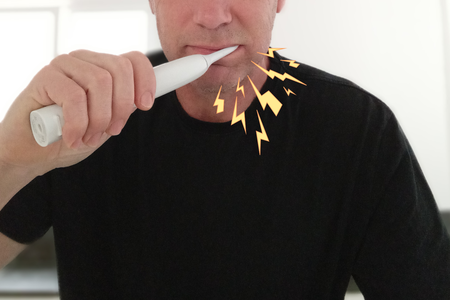
In a short clinical trial, participants who used the experimental toothbrush reported less plaque, gum inflammation and bleeding than those who used traditional nylon-bristled brushes. However, more research is required to assess the tool’s safety and efficacy
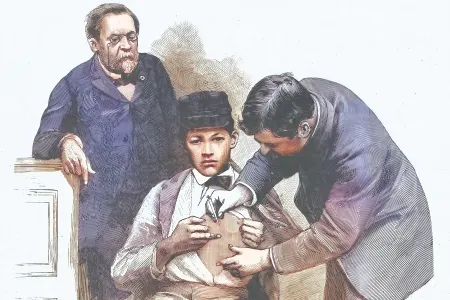
A case of rabies was often fatal in the era before Louis Pasteur developed a vaccine. For the young patients to see the French doctor, though, required a new kind of collective effort
The show at the Smithsonian’s National Museum of American History highlights the amazing advancements across centuries of medical progress and confronts historical inequities that have left some people behind
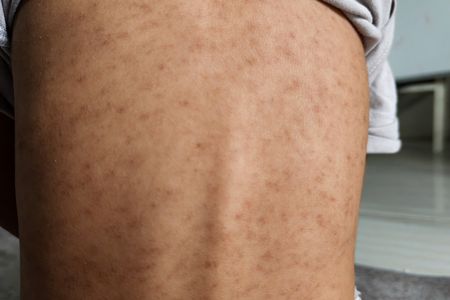
So far this year, the Centers for Disease Control and Prevention has confirmed more than 5,400 measles cases—the highest annual total since 1991—and 43 outbreaks. Dropping vaccination rates are likely to blame
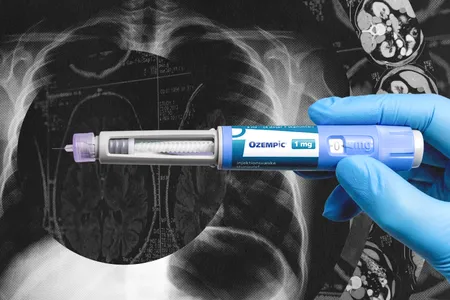
The medications seem to act on the brain’s reward circuitry and help regulate inflammation, which is why they might have so many positive effects. But research on many potential benefits is still preliminary, so clinical trials will truly put GLP-1s to the test
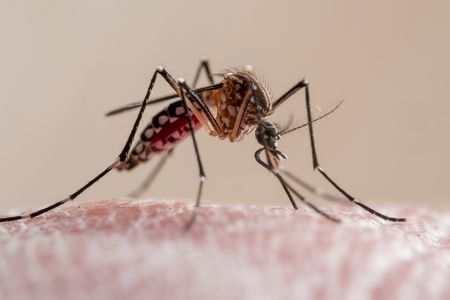
Most dengue infections cause mild flu-like symptoms or no symptoms at all. But at least one person has died from this year’s outbreak in Florida, where health experts worry the disease will become more common in the future
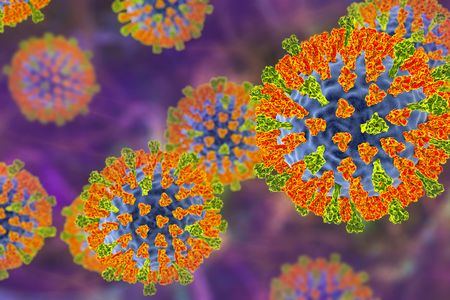
New York Had Its First Measles Death in 30 Years. Here’s What to Know
Cases are still surging across the country amidst dropping vaccination rates

The researchers also estimate that around one in four of the former football players had dementia, a common feature of late-stage CTE
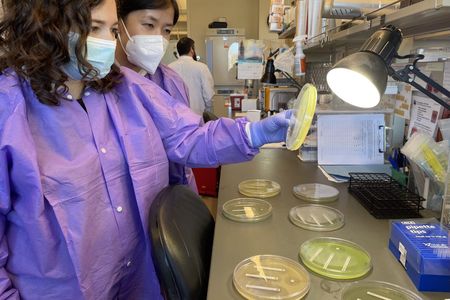
Drug-Resistant Germs Now Kill More Than 50,000 Americans Each Year, According to a New CDC Report
The Centers for Disease Control and Prevention has identified 19 “superbugs” that currently pose a threat to human health in the United States, plus another six that are being monitored as potential threats

The new research, which has not yet been peer-reviewed but was accepted for publication, suggests that climate change is responsible for two-thirds of the deaths

One in Four Cases of Depression Could Be Caused by a Dysregulated Body Clock, Study Says
Outside experts warn that more research is needed before “circadian depression” can be classified as a subtype
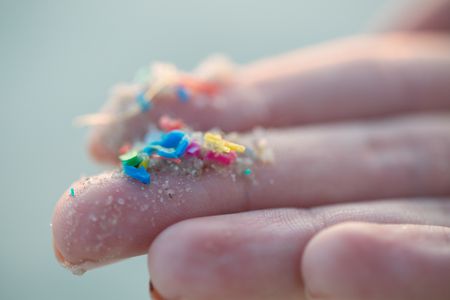
Lab experiments suggest that tiny bits of plastic can react with water inside us to produce highly reactive molecules. They can lead to damaging oxidative stress and inflammation

A new book chronicles the exploits of Joseph Bell, an Edinburgh lecturer whose lessons sparked the creation of the world’s most famous detective

Researchers believe that the Hospital of the Holy Innocents, founded in the 11th or 12th century, may have had “little houses with a little yard” for up to 20 people with leprosy. “You’d need to have resources to get in here,” one archaeologist says.

The season usually starts in October or November. But some western states, including California, Washington, Alaska and Hawaii, began seeing a rise in flu cases as early as August

Many molecules come in two mirrored forms—like left and right hands—but living organisms generally contain only one. However, chemists couldn’t figure out how to make just one version in the lab. Henri Kagan and Kenso Soai share the prize for their work solving the puzzle
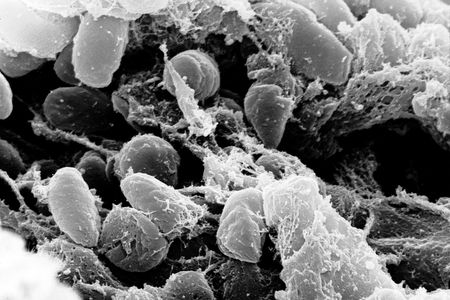
No official cause of her pneumonia has been confirmed, and Russian health officials say that none of the deceased individual’s close contacts tested positive for the plague. Pneumonic plague is a rare, deadly form of the disease
Page 1 of 66