• About Smithsonian
  • Email Updates
  • Member Services
  • Shop
  • Archive

Smithsonian.com

  • Smithsonian Institution
  • Smithsonian Channel
  • goSmithsonian
  • Air & Space magazine
  • Home
  • History & Archaeology
  • People & Places
  • Science & Nature
  • Arts & Culture
  • Travel
  • Photos & Videos
  • Subscribe
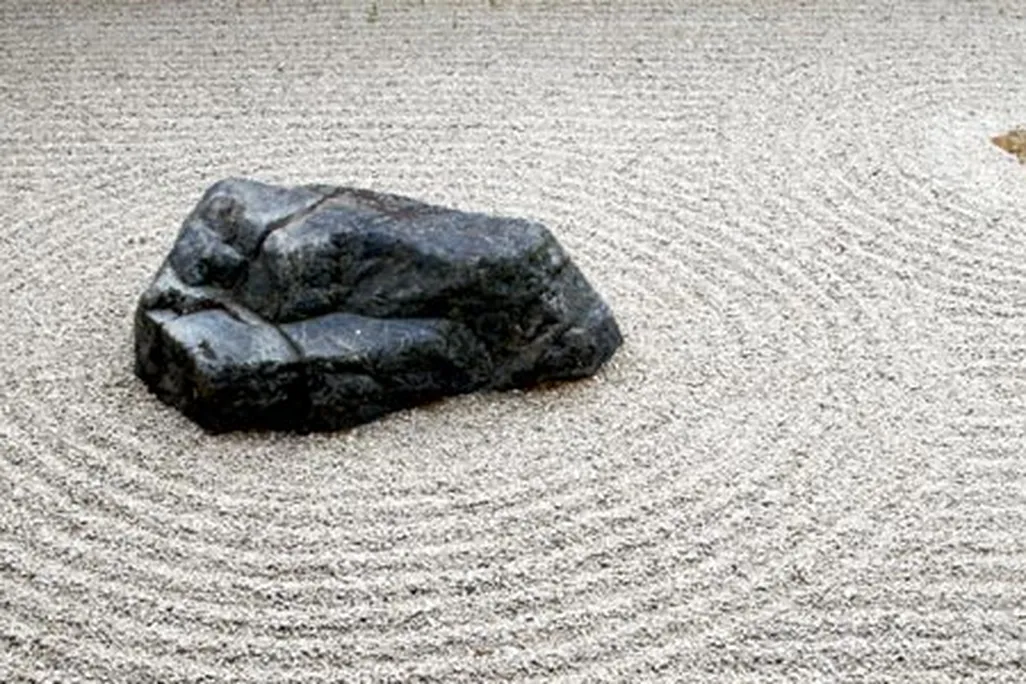
Zen Garden of Kyoto

Ralph Howald, iStockphoto

  • Life Lists

Zen Garden of Kyoto

  • By Karen Larkins
  • Smithsonian magazine, January 2008

Article Tools

 
  • Font
  • Email
  •  
  • Print
  • Comments
  •  
  • RSS
  •  

    Photo Gallery


    India

    The Smithsonian Life List

    28 Places to See Before You Die


    The Smithsonian Life List

    Smithsonian Magazine Staff

    Keeping our readers' interests in mind, we've traveled the globe in search of destinations certain to inspire

    Most Popular

    • Viewed
    • Emailed
    1. Keepers of the Lost Ark?
    2. Diamonds on Demand
    3. Infinite Jest
    4. Tattoos
    5. Forget Jaws, Now it's . . . Brains!
    6. Family Ties
    7. True Colors
    8. The Great Human Migration
    9. Wonders and Whoppers
    1. True Colors
    2. The Great Human Migration
    3. Moses at the Bat
    4. Silken Treasure
    5. Montague the Magnificent
    6. Forget Jaws, Now it's . . . Brains!
    7. Raiders or Traders?
    8. You got a problem with that?
    9. Keepers of the Lost Ark?
    10. Precarious Lebanon

    Zen rock gardens, or karesansui (translated as "dry-mountain-water"), originated in medieval Japan and are renowned for their simplicity and serenity. The most famous of these can be found in Kyoto at the 15th-century Ryoan-ji, the Temple of the Peaceful Dragon. "While there are other similar gardens of great beauty," says James Ulak, curator of Japanese art at Smithsonian's Freer and Sackler galleries, "Ryoan-ji remains the ur-site of the type—powerful, abstract, Zen Buddhist landscapes designed to invoke deep meditation."

    Measuring 98 by 32 feet, the Ryoan-ji garden is about the size of a tennis court and is composed solely of 15 large and small rocks, some encircled by moss, grouped in five clusters on a bed of carefully raked white sand. From a distance, the rocks resemble islands, the sand a tranquil sea.

    In 2002, a research team at Kyoto University claimed to have cracked the Zen code. Relying on computer models, they found that the garden's rocks—when viewed from the proper angle—subconsciously evoke the tranquil outline of a branching tree. Over the centuries, however, visitors have discerned images as diverse as a tigress escorting her cubs across water and the Chinese character for "heart" or "mind." Since the anonymous designer left no explanation, the garden's exact meaning remains a mystery, which no doubt contributes to its enduring allure.

    What will you see?

    Zen rock gardens, or karesansui (translated as "dry-mountain-water"), originated in medieval Japan and are renowned for their simplicity and serenity. The most famous of these can be found in Kyoto at the 15th-century Ryoan-ji, the Temple of the Peaceful Dragon. "While there are other similar gardens of great beauty," says James Ulak, curator of Japanese art at Smithsonian's Freer and Sackler galleries, "Ryoan-ji remains the ur-site of the type—powerful, abstract, Zen Buddhist landscapes designed to invoke deep meditation."

    Measuring 98 by 32 feet, the Ryoan-ji garden is about the size of a tennis court and is composed solely of 15 large and small rocks, some encircled by moss, grouped in five clusters on a bed of carefully raked white sand. From a distance, the rocks resemble islands, the sand a tranquil sea.

    In 2002, a research team at Kyoto University claimed to have cracked the Zen code. Relying on computer models, they found that the garden's rocks—when viewed from the proper angle—subconsciously evoke the tranquil outline of a branching tree. Over the centuries, however, visitors have discerned images as diverse as a tigress escorting her cubs across water and the Chinese character for "heart" or "mind." Since the anonymous designer left no explanation, the garden's exact meaning remains a mystery, which no doubt contributes to its enduring allure.

    What will you see?


    Comments

    I am fortunate to have been there years ago, and it is a truly awe inspiring place. Words and pictures do not begin to adequately describe it. Well worth a trip. But then most of Japan is!

    Posted by Beth Wicker on December 29,2007 | 05:45PM

    unless there are laws prohibiting a full and complete picture of the garden i see no reason why you did not show the entire garden. 99% percent of us readers will never get a chance to see it.[ poor job ]

    Posted by joe kudrich on January 15,2008 | 05:03PM

    Post a Comment


    Name: (required)

    Email: (required)

    Comment:


    Advertisement

    Smithsonian Videos

    John Muir's Yosemite

    Carleton Watkins' 19th-Century Photographs of Yosemite Valley


    Sea Stallion from Glendalough

    Watch a video about the Viking ship replica’s construction and first voyage


    Taking the Plunge

    Learn about the often misunderstood great white shark


    Behind the Photos

    Gregory Crewdson discusses his virtual reality


    Down Under in Georgia

    Take a virtual tour of the Kangaroo Conservation Center


    Advertisement

    Marketplace

    • Labrador, Canada: Enter to win great prizes online, only in Labrador, Canada


    • Newfoundland, Canada: Click here to find out more about hiking the center of the earth at the Tablelands, Gros Morne National Park


    • Nova Scotia, Canada: The past is present every day in Nova Scotia


    • Montana: For a free vacation planner, log on to www.visitmt.com


    • Mexico: A whole new experience is expecting you in Mexico. Beyond your expectations.


    Promotions

    Subscribe Today & Win a FREE Trip to Paris!

    In The Magazine

    July 2008

    • Raiders or Traders?
    • Precarious Lebanon
    • Welcome to Your World
    • John Muir's Yosemite
    • The Great Human Migration
    • True Colors
    • Silken Treasure

    View Table of Contents

    Smithsonian magazine presents

    Smithsonian's 5th Annual Photo Contest Winners

    7,500 photographs, 82 countries, 50 finalists. And the seven winners are...

    ECOCENTER

    Greener Living

    Celebrate Earth Day with Smithsonian.com


    View full archiveRecent Issues


    • Jul 2008


    • Jun 2008


    • May 2008

    Newsletter

    Sign up for regular email updates from Smithsonian magazine, including free newsletters, special offers and current news updates.

    Subscribe Now

    About Us

    Smithsonian.com expands on Smithsonian magazine's in-depth coverage of history, science, nature, the arts, travel, world culture and technology. Join us regularly as we take a dynamic and interactive approach to exploring modern and historic perspectives on the arts, sciences, nature, world culture and travel, including videos, blogs and a reader forum.

    Explore our Brands

    • goSmithsonian.com
    • Smithsonian Air & Space Museum
    • Smithsonian Institution
    • Smithsonian Catalogue
    • Smithsonian Journeys
    • Smithsonian Channel
    • Site Map
    • Privacy Policy
    • Copyright
    • About Smithsonian
    • Contact Us
    • Advertising
    • Reader Panel
    • Subscribe
    • RSS

    Smithsonian Institution

    Produced by Clickability