• Smithsonian
    Institution
  • Travel
    With Us
  • Smithsonian
    Store
  • Smithsonian
    Channel
  • goSmithsonian
    Visitors Guide
  • Air & Space
    magazine

Smithsonian.com

  • Subscribe
  • History & Archaeology
  • Science
  • Ideas & Innovations
  • Arts & Culture
  • Travel & Food
  • At the Smithsonian
  • Photos
  • Videos
  • Games
  • Shop
  • Life Lists

Navigating the Yangtze River

Dubbed “the wildest, wickedest river,” this 4,000-mile-long waterway has played a major role in Chinese civilization

| | | Reddit | Digg | Stumble | Email |
  • By T.A. Frail
  • Smithsonian magazine, January 2008, Subscribe
View More Photos »
Yangtze River
Yangtze River (Ivor Clarke, iStockphoto)

Photo Gallery (1/5)

"The Yangtze River"

Explore more photos from the story

  • Explore the Yangtze with Smithsonian »

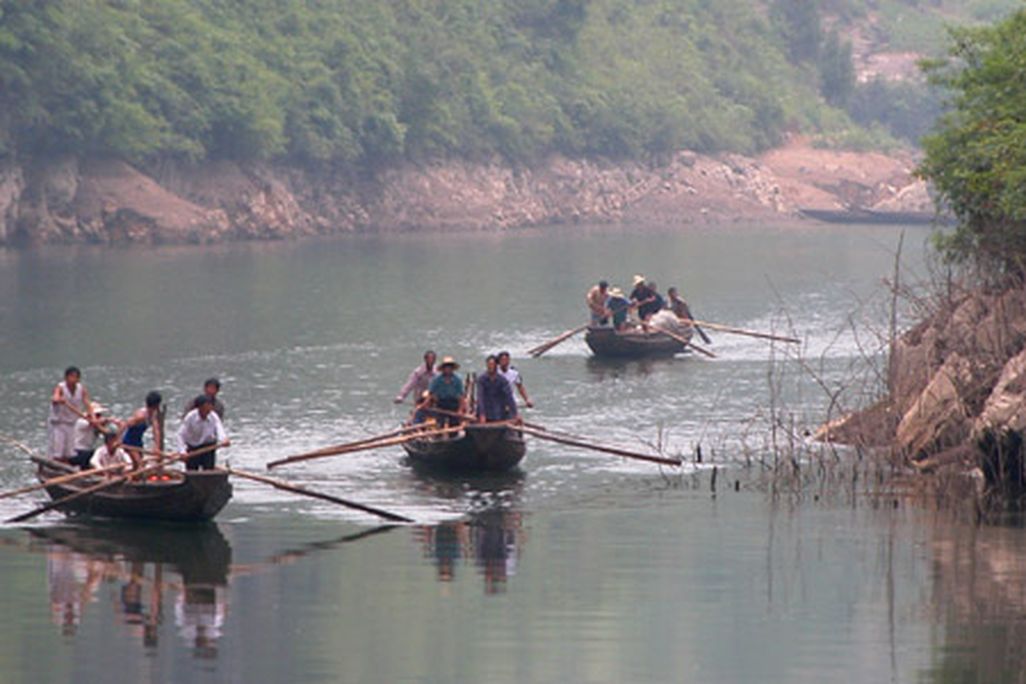
Nearly 4,000 miles long, the Yangtze has watered civilizations for millennia—and laid waste to them too. The eighth-century poet Li Bai wrote that navigating the river was "even harder than climbing the sky." The 20th-century novelist Pearl S. Buck dubbed it "the wildest, wickedest river" for its murderous floods. So much of China's past lies on the Yangtze; now, a trip along the river also affords a glimpse of its future.

Start on the coast: Shanghai has been a market town for a thousand years. Once a stepchild of China's fledgling Communist government (the city's freewheeling capitalism made it ideologically suspect), today it is the country's largest port. Upriver lies Nanjing, the on-again, off-again national capital across 17 turbulent centuries and home to the tomb of Sun Yat-sen (1866-1925), the founder of modern China. Next comes Wuhan, which boasts the third-century Xiang Pagoda. And then there's the Three Gorges Dam, China's 21st-century moment.

The dam is an engineering colossus—more than 600 feet high and nearly a mile and a half long—intended to control floods and produce electrical power. Yet the project presents a host of environmental concerns and has begun to inundate the majestic Three Gorges. Locks on the dam allow ships to keep traveling up to Chongking, where rescued artifacts are displayed in a museum. "If you like traveling on rivers, which is a great way to travel, there's still a great deal to see and learn about the scale of change and construction the Chinese are going through," says photographer Linda Butler, who visited the river eight times between 2000 and 2003 (see above) for her book Yangtze Remembered.


Nearly 4,000 miles long, the Yangtze has watered civilizations for millennia—and laid waste to them too. The eighth-century poet Li Bai wrote that navigating the river was "even harder than climbing the sky." The 20th-century novelist Pearl S. Buck dubbed it "the wildest, wickedest river" for its murderous floods. So much of China's past lies on the Yangtze; now, a trip along the river also affords a glimpse of its future.

Start on the coast: Shanghai has been a market town for a thousand years. Once a stepchild of China's fledgling Communist government (the city's freewheeling capitalism made it ideologically suspect), today it is the country's largest port. Upriver lies Nanjing, the on-again, off-again national capital across 17 turbulent centuries and home to the tomb of Sun Yat-sen (1866-1925), the founder of modern China. Next comes Wuhan, which boasts the third-century Xiang Pagoda. And then there's the Three Gorges Dam, China's 21st-century moment.

The dam is an engineering colossus—more than 600 feet high and nearly a mile and a half long—intended to control floods and produce electrical power. Yet the project presents a host of environmental concerns and has begun to inundate the majestic Three Gorges. Locks on the dam allow ships to keep traveling up to Chongking, where rescued artifacts are displayed in a museum. "If you like traveling on rivers, which is a great way to travel, there's still a great deal to see and learn about the scale of change and construction the Chinese are going through," says photographer Linda Butler, who visited the river eight times between 2000 and 2003 (see above) for her book Yangtze Remembered.

    Subscribe now for more of Smithsonian's coverage on history, science and nature.

← Previous
The Wild Extremes of Antarctica
Smithsonian Life List:
43 Places to
See Before You Die
Next →
The Grand Canyon in All Its Glory

Related topics: Travel China Rivers


| | | Reddit | Digg | Stumble | Email |
 

Add New Comment


Name: (required)

Email: (required)

Comment:

Comments are moderated, and will not appear until Smithsonian.com has approved them. Smithsonian reserves the right not to post any comments that are unlawful, threatening, offensive, defamatory, invasive of a person's privacy, inappropriate, confidential or proprietary, political messages, product endorsements, or other content that might otherwise violate any laws or policies.

Comments


Advertisement


Yangtze

Most Popular

  • Viewed
  • Emailed
  • Commented
  1. The 20 Best Small Towns in America of 2012
  2. Myths of the American Revolution
  3. The 20 Best Small Towns to Visit in 2013
  4. For 40 Years, This Russian Family Was Cut Off From All Human Contact, Unaware of WWII
  5. The Scariest Monsters of the Deep Sea
  6. Seven Famous People Who Missed the Titanic
  7. Women Spies of the Civil War
  8. 16 Photographs That Capture the Best and Worst of 1970s America
  9. Why Are Finland's Schools Successful?
  10. A Brief History of the Salem Witch Trials
  1. For 40 Years, This Russian Family Was Cut Off From All Human Contact, Unaware of WWII
  2. The Surprising Satisfactions of a Home Funeral
  3. Why Procrastination is Good for You
  4. Microbes: The Trillions of Creatures Governing Your Health

  5. The Story Behind Banksy
  6. A Walking Tour of Tallinn
  1. Life on Mars?
  2. Women Spies of the Civil War
  3. Taking the Great American Roadtrip
  4. What the Discovery of Hundreds of New Planets Means for Astronomy—and Philosophy
  5. The Mystery of Easter Island
  6. How Do Smithsonian Curators Decide What to Collect?
  7. New Light on Stonehenge
  8. Colombia Dispatch 5: The Kogi Way of Life
  9. Fantastic Photos of our Solar System
  10. Cut Your Use of Plastic, Plastic, Plastic

View All Most Popular »

Advertisement

Follow Us

Smithsonian Magazine
@SmithsonianMag
Follow Smithsonian Magazine on Twitter

Sign up for regular email updates from Smithsonian.com, including daily newsletters and special offers.

In The Magazine

May 2013

  • Patriot Games
  • The Next Revolution
  • Blowing Up The Art World
  • The Body Eclectic
  • Microbe Hunters

View Table of Contents »


First Name
Last Name
Address 1
Address 2
City
State   Zip
Email


Smithsonian Store

Olivier Föllmi's Photographs of Asia

Asia, Item No. 10310


View full archiveRecent Issues


  • May 2013


  • Apr 2013


  • Mar 2013

Newsletter

Sign up for regular email updates from Smithsonian magazine, including free newsletters, special offers and current news updates.

Subscribe Now

About Us

Smithsonian.com expands on Smithsonian magazine's in-depth coverage of history, science, nature, the arts, travel, world culture and technology. Join us regularly as we take a dynamic and interactive approach to exploring modern and historic perspectives on the arts, sciences, nature, world culture and travel, including videos, blogs and a reader forum.

Explore our Brands

  • goSmithsonian.com
  • Smithsonian Air & Space Museum
  • Smithsonian Student Travel
  • Smithsonian Catalogue
  • Smithsonian Journeys
  • Smithsonian Channel
  • About Smithsonian
  • Contact Us
  • Advertising
  • Subscribe
  • RSS
  • Topics
  • Member Services
  • Copyright
  • Site Map
  • Privacy Policy
  • Ad Choices

Smithsonian Institution