• Smithsonian
    Institution
  • Travel
    With Us
  • Smithsonian
    Store
  • Smithsonian
    Channel
  • goSmithsonian
    Visitors Guide
  • Air & Space
    magazine

Smithsonian.com

  • Subscribe
  • History & Archaeology
  • Science
  • Ideas & Innovations
  • Arts & Culture
  • Travel & Food
  • At the Smithsonian
  • Photos
  • Videos
  • Games
  • Shop
  • Life Lists

Diving Into the Great Barrier Reef

Beautiful beaches and unrivaled underwater views lure lovers of marine life to the world’s largest coral reef

| | | Reddit | Digg | Stumble | Email |
  • By T.A. Frail
  • Smithsonian magazine, January 2008, Subscribe
View More Photos »
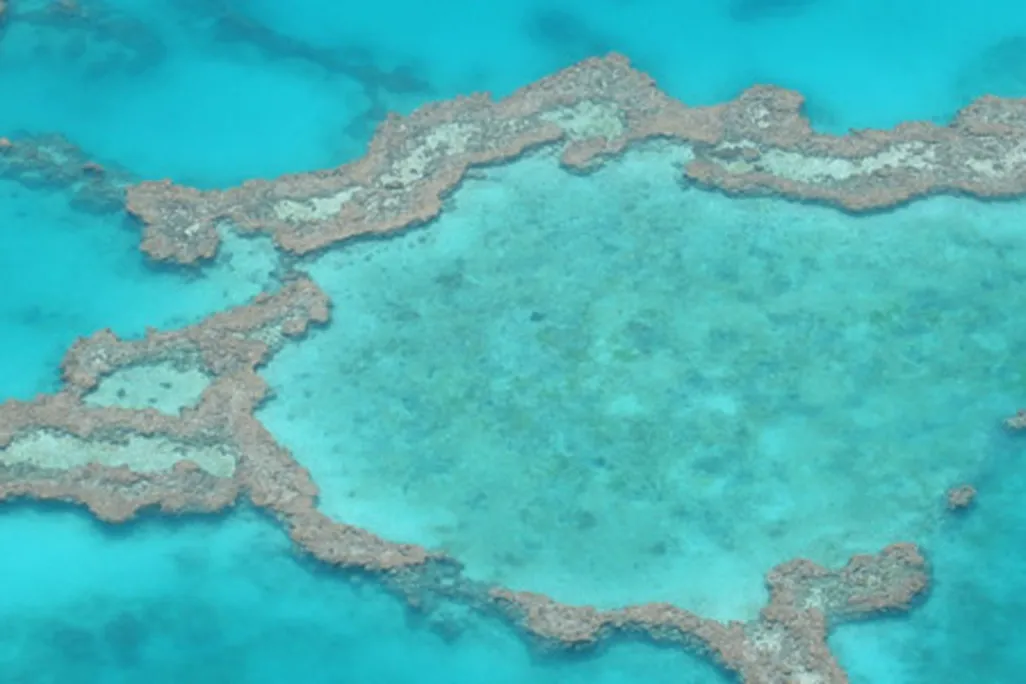
The Great Barrier Reef
The Great Barrier Reef (iStockphoto)

Photo Gallery (1/5)

"Snorkel at Moore reef, Australia."

Explore more photos from the story

  • Explore the Great Barrier Reef with Smithsonian »

To say that the Great Barrier Reef is the world's largest coral reef may be understating things; the Australian government notes that it is "the only living organic collective visible from Earth's orbit." Certainly, it is vast—a conglomeration of some 3,000 reefs and 600 islands stretching more than 1,250 miles along Australia's northeast coast. Green turtles, dolphins and whales live there, along with 200 species of birds, 1,500 species of fish, 4,000 species of mollusks and, yes, an abundance of corals.

But big does not mean indestructible. The Great Barrier Reef Marine Park Authority, which has jurisdiction over much of the reef, has taken steps to control water pollution, conserve coastal wetlands and set rules for who can do what and where. Global warming is a more difficult challenge: rising sea temperatures are causing mass coral bleaching—episodes in which corals lose their color after expelling the one-celled algae that live within their tissues. This is a sign of stress, and it can kill afflicted corals. A recent report by the Intergovernmental Panel on Climate Change projects annual bleachings by as early as 2030. One possible result: a "functionally extinct" ecosystem by 2050.

The reef attracts about two million visitors a year, but that's OK, says Terry Hughes, director of the Australian Research Council's Centre of Excellence for Coral Reef Studies. "The tourism industry is an active advocate for the reef," he explains. "Tourists are taught to look but not touch, and to be careful when reef walking or snorkeling."


To say that the Great Barrier Reef is the world's largest coral reef may be understating things; the Australian government notes that it is "the only living organic collective visible from Earth's orbit." Certainly, it is vast—a conglomeration of some 3,000 reefs and 600 islands stretching more than 1,250 miles along Australia's northeast coast. Green turtles, dolphins and whales live there, along with 200 species of birds, 1,500 species of fish, 4,000 species of mollusks and, yes, an abundance of corals.

But big does not mean indestructible. The Great Barrier Reef Marine Park Authority, which has jurisdiction over much of the reef, has taken steps to control water pollution, conserve coastal wetlands and set rules for who can do what and where. Global warming is a more difficult challenge: rising sea temperatures are causing mass coral bleaching—episodes in which corals lose their color after expelling the one-celled algae that live within their tissues. This is a sign of stress, and it can kill afflicted corals. A recent report by the Intergovernmental Panel on Climate Change projects annual bleachings by as early as 2030. One possible result: a "functionally extinct" ecosystem by 2050.

The reef attracts about two million visitors a year, but that's OK, says Terry Hughes, director of the Australian Research Council's Centre of Excellence for Coral Reef Studies. "The tourism industry is an active advocate for the reef," he explains. "Tourists are taught to look but not touch, and to be careful when reef walking or snorkeling."

    Subscribe now for more of Smithsonian's coverage on history, science and nature.

← Previous
Drive the Road to Hana
Smithsonian Life List:
43 Places to
See Before You Die
Next →
Gaze at the Northern Lights

Related topics: Travel Australia Reefs


| | | Reddit | Digg | Stumble | Email |
 

Add New Comment


Name: (required)

Email: (required)

Comment:

Comments are moderated, and will not appear until Smithsonian.com has approved them. Smithsonian reserves the right not to post any comments that are unlawful, threatening, offensive, defamatory, invasive of a person's privacy, inappropriate, confidential or proprietary, political messages, product endorsements, or other content that might otherwise violate any laws or policies.

Comments (3)

interesting facts. nice site

Posted by bob on March 8,2011 | 11:26 AM

hey the ifo u have gave is great for my geography essay but i need a list of plants in full detailsize shape colour before sunday aswell as animals facts threats from climate change and what the reef is made of
cheers
:)

Posted by abb on October 8,2010 | 07:34 AM

i am wondering what are all of the plants are in the Great Barrier reef because i am doing a science project with my best friend and we need to have 10 plants. if you can email me a list of plants by November 12th, that will be great. =)

Posted by Lexi on November 9,2009 | 04:48 PM


Advertisement


Great Barrier Reef

Most Popular

  • Viewed
  • Emailed
  • Commented
  1. The 20 Best Small Towns in America of 2012
  2. Myths of the American Revolution
  3. The 20 Best Small Towns to Visit in 2013
  4. For 40 Years, This Russian Family Was Cut Off From All Human Contact, Unaware of WWII
  5. 16 Photographs That Capture the Best and Worst of 1970s America
  6. The Scariest Monsters of the Deep Sea
  7. Will the Real Great Gatsby Please Stand Up?
  8. Seven Famous People Who Missed the Titanic
  9. Why Are Finland's Schools Successful?
  10. A Brief History of the Salem Witch Trials
  1. Microbes: The Trillions of Creatures Governing Your Health

  2. A Walking Tour of Tallinn
  3. Why Procrastination is Good for You
  4. When Continental Drift Was Considered Pseudoscience
  5. The Story Behind Banksy
  6. Why Are Finland's Schools Successful?
  7. Mona Eltahawy on Egypt’s Next Revolution
  1. Life on Mars?
  2. Uncovering Secrets of the Sphinx
  3. Will the Real Great Gatsby Please Stand Up?
  4. A Brief History of the Salem Witch Trials
  5. Taking the Great American Roadtrip
  6. Ten Plants That Put Meat on Their Plates
  7. The Story Behind the Peacock Room's Princess
  8. One Love: Discovering Rastafari!
  9. When Did Girls Start Wearing Pink?
  10. Jamaica - Landmarks and Points of Interest

View All Most Popular »

Advertisement

Follow Us

Smithsonian Magazine
@SmithsonianMag
Follow Smithsonian Magazine on Twitter

Sign up for regular email updates from Smithsonian.com, including daily newsletters and special offers.

In The Magazine

May 2013

  • Patriot Games
  • The Next Revolution
  • Blowing Up The Art World
  • The Body Eclectic
  • Microbe Hunters

View Table of Contents »


First Name
Last Name
Address 1
Address 2
City
State   Zip
Email


Smithsonian Store

Lapis and Sterling Ribbon Jewelry

Item No. 46583


View full archiveRecent Issues


  • May 2013


  • Apr 2013


  • Mar 2013

Newsletter

Sign up for regular email updates from Smithsonian magazine, including free newsletters, special offers and current news updates.

Subscribe Now

About Us

Smithsonian.com expands on Smithsonian magazine's in-depth coverage of history, science, nature, the arts, travel, world culture and technology. Join us regularly as we take a dynamic and interactive approach to exploring modern and historic perspectives on the arts, sciences, nature, world culture and travel, including videos, blogs and a reader forum.

Explore our Brands

  • goSmithsonian.com
  • Smithsonian Air & Space Museum
  • Smithsonian Student Travel
  • Smithsonian Catalogue
  • Smithsonian Journeys
  • Smithsonian Channel
  • About Smithsonian
  • Contact Us
  • Advertising
  • Subscribe
  • RSS
  • Topics
  • Member Services
  • Copyright
  • Site Map
  • Privacy Policy
  • Ad Choices

Smithsonian Institution