• Smithsonian
    Institution
  • Travel
    With Us
  • Smithsonian
    Store
  • Smithsonian
    Channel
  • goSmithsonian
    Visitors Guide
  • Air & Space
    magazine

Smithsonian.com

  • Subscribe
  • History & Archaeology
  • Science
  • Ideas & Innovations
  • Arts & Culture
  • Travel & Food
  • At the Smithsonian
  • Photos
  • Videos
  • Games
  • Shop
  • EcoCenter: Energy

Energy Efficiency at the White House

How environmental change can begin at the president's home

| | | Reddit | Digg | Stumble | Email |
  • By Sarah Zielinski
  • Smithsonian.com, March 02, 2009, Subscribe
 
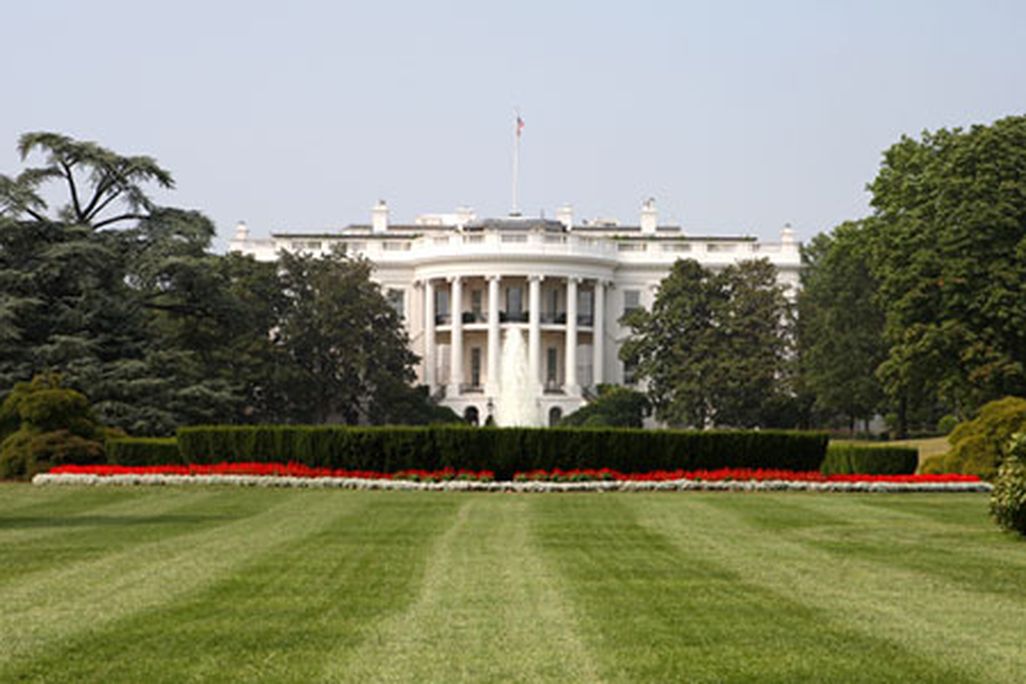
The White House
A vegetable garden and less bottled water can help turn the White House "green." (iStockphoto)

More from Smithsonian.com

  • EcoCenter: Energy

The White House will never be named the most energy-efficient home in the country. The building is more than 200 years old, and it's big—132 rooms. Due to security concerns, the Secret Service would object to some of the easier energy-saving steps, such as turning off the floodlights that illuminate the building at night. And being leader of the nation should come with a few benefits, like being able to turn up the heat in your (Oval) office in the middle of winter.

Over the years, though, past administrations have made some efforts to improve the environmental performance of the White House. President Jimmy Carter, for instance, oversaw the 1979 installation of solar water heaters on the roof (they were dismantled seven years later by President Ronald Reagan). And during President George W. Bush's tenure, the Executive Mansion got a new solar water-heating system as well as solar photovoltaic panels, low-flush toilets, energy-efficient lighting and better insulation.

But there is always room for improvement. A 1993 report from the Rocky Mountain Institute noted that the White House had "in the past, served as a showcase for events in our country's life," and suggested that it could "once again serve as an important symbol, this time as the showcase of environmental responsibility." That Greening the White House initiative never took off, but it is not too late to "create an environmentally sustainable, model White House, and a world-class environmental showcase." Here are some ideas:

Ban bottled water. Shipping water from remote locations like Fiji adds thousands of tons of greenhouse gases into the atmosphere each year. In addition, only 13 percent of those plastic bottles get recycled, according to the Natural Resources Defense Council. In place of bottled water, the White House could provide employees with reusable bottles and filtered tap water.

Plant a vegetable garden. Fresh herbs. Tomatoes straight off the vine. Food that requires no more transportation (or carbon dioxide emissions) than a short walk.

Compost. Diverting organic waste from the landfill into the compost heap not only means less garbage, but it also provides healthy fertilizer for the garden. Using compost in the garden can reduce the need for chemical fertilizers and increase crop yields.

Plant more trees. They suck up carbon dioxide and sequester air pollutants like nitrogen dioxide and ozone. They save energy by providing shade in the summer and a wind break in the winter. And they are even pretty decoration. Don't plant too many, though; the tourists really like the view of 1600 Pennsylvania Avenue.

Install a gray water irrigation system. Gray water is waste water from the household sinks, tubs, showers and laundry. No one would want to drink it, but this water can be used on lawns, ornamental plants and trees, thus reducing the use of fresh water.

Use antiques when redecorating. The government reportedly has warehouses—in undisclosed locations, of course—full of antiques available for use in the White House. Why buy new when you can pick through such amazing collections?

Buy eco-friendly products when the antiques aren't sufficient. There is no such thing as antique paint. And antique appliances will just suck energy. But nontoxic paint and new Energy Star appliances are just some of the eco-friendly options when new items are needed.

Replace light bulbs with LEDs. Light-emitting diodes last 25 times as long as incandescent bulbs. They also use less energy than compact fluorescent light bulbs and lack the toxic mercury found in CFLs.

Install ceiling fans. Washington temperatures can vary by more than one hundred degrees Fahrenheit throughout the year. Ceiling fans can help regulate indoor temperature, making it more comfortable with less energy in summer, winter or in between.

Generate energy with solar panels, wind turbines or geothermal systems—or all three. Which technology would work the best in the Washington climate? Which one would generate the most energy for the least amount of money? It's an energy showdown on the White House lawn.


The White House will never be named the most energy-efficient home in the country. The building is more than 200 years old, and it's big—132 rooms. Due to security concerns, the Secret Service would object to some of the easier energy-saving steps, such as turning off the floodlights that illuminate the building at night. And being leader of the nation should come with a few benefits, like being able to turn up the heat in your (Oval) office in the middle of winter.

Over the years, though, past administrations have made some efforts to improve the environmental performance of the White House. President Jimmy Carter, for instance, oversaw the 1979 installation of solar water heaters on the roof (they were dismantled seven years later by President Ronald Reagan). And during President George W. Bush's tenure, the Executive Mansion got a new solar water-heating system as well as solar photovoltaic panels, low-flush toilets, energy-efficient lighting and better insulation.

But there is always room for improvement. A 1993 report from the Rocky Mountain Institute noted that the White House had "in the past, served as a showcase for events in our country's life," and suggested that it could "once again serve as an important symbol, this time as the showcase of environmental responsibility." That Greening the White House initiative never took off, but it is not too late to "create an environmentally sustainable, model White House, and a world-class environmental showcase." Here are some ideas:

Ban bottled water. Shipping water from remote locations like Fiji adds thousands of tons of greenhouse gases into the atmosphere each year. In addition, only 13 percent of those plastic bottles get recycled, according to the Natural Resources Defense Council. In place of bottled water, the White House could provide employees with reusable bottles and filtered tap water.

Plant a vegetable garden. Fresh herbs. Tomatoes straight off the vine. Food that requires no more transportation (or carbon dioxide emissions) than a short walk.

Compost. Diverting organic waste from the landfill into the compost heap not only means less garbage, but it also provides healthy fertilizer for the garden. Using compost in the garden can reduce the need for chemical fertilizers and increase crop yields.

Plant more trees. They suck up carbon dioxide and sequester air pollutants like nitrogen dioxide and ozone. They save energy by providing shade in the summer and a wind break in the winter. And they are even pretty decoration. Don't plant too many, though; the tourists really like the view of 1600 Pennsylvania Avenue.

Install a gray water irrigation system. Gray water is waste water from the household sinks, tubs, showers and laundry. No one would want to drink it, but this water can be used on lawns, ornamental plants and trees, thus reducing the use of fresh water.

Use antiques when redecorating. The government reportedly has warehouses—in undisclosed locations, of course—full of antiques available for use in the White House. Why buy new when you can pick through such amazing collections?

Buy eco-friendly products when the antiques aren't sufficient. There is no such thing as antique paint. And antique appliances will just suck energy. But nontoxic paint and new Energy Star appliances are just some of the eco-friendly options when new items are needed.

Replace light bulbs with LEDs. Light-emitting diodes last 25 times as long as incandescent bulbs. They also use less energy than compact fluorescent light bulbs and lack the toxic mercury found in CFLs.

Install ceiling fans. Washington temperatures can vary by more than one hundred degrees Fahrenheit throughout the year. Ceiling fans can help regulate indoor temperature, making it more comfortable with less energy in summer, winter or in between.

Generate energy with solar panels, wind turbines or geothermal systems—or all three. Which technology would work the best in the Washington climate? Which one would generate the most energy for the least amount of money? It's an energy showdown on the White House lawn.

    Subscribe now for more of Smithsonian's coverage on history, science and nature.


Related topics: Environmental Washington, DC Historic and Cultural Monuments


| | | Reddit | Digg | Stumble | Email |
 

Add New Comment


Name: (required)

Email: (required)

Comment:

Comments are moderated, and will not appear until Smithsonian.com has approved them. Smithsonian reserves the right not to post any comments that are unlawful, threatening, offensive, defamatory, invasive of a person's privacy, inappropriate, confidential or proprietary, political messages, product endorsements, or other content that might otherwise violate any laws or policies.

Comments (3)

Great idea to install water filters and everyone can use tap water instead of buying bottles. Although we are in an economy crunch -- this would definitely be cost effective including also saving the environment from all the plastic bottles.

If there is any extra change laying around perhaps getting the employees reuseable water bottles to fill-up could be an incentive to participate in the program. Call save the environment from plastic bottles.

Posted by patricia grogan on April 23,2010 | 10:01 AM

Water is the most vital of all natural resources. Without water no life can exist. It is the existence of water on this planet of ours that has made it possible for us to live here.

Posted by beauty salon plano on March 23,2010 | 12:08 AM

they should start recycling their water bottles

Posted by noemi on March 18,2009 | 05:10 PM


Advertisement


Most Popular

  • Viewed
  • Emailed
  • Commented
  1. The 20 Best Small Towns in America
  2. For 40 Years, This Russian Family Was Cut Off From All Human Contact, Unaware of WWII
  3. Jack Andraka, the Teen Prodigy of Pancreatic Cancer
  4. Seven Famous People Who Missed the Titanic
  5. When Did Humans Come to the Americas?
  6. The Scariest Monsters of the Deep Sea
  7. Top Ten Demonstrations of Love
  8. Bodybuilders Through the Ages
  9. Most of What You Think You Know About Grammar is Wrong
  10. The Story Behind Banksy
  1. For 40 Years, This Russian Family Was Cut Off From All Human Contact, Unaware of WWII
  2. When Did Humans Come to the Americas?
  3. You got a problem with that?
  4. Requiem for the Redhead
  5. Jack Andraka, the Teen Prodigy of Pancreatic Cancer
  6. Uncovering Secrets of the Sphinx
  7. A Brief History of the Salem Witch Trials
  8. How to Save a Dying Language
  9. The Pros to Being a Psychopath
  10. How Titanoboa, the 40-Foot-Long Snake, Was Found
  1. Ten Inventions Inspired by Science Fiction
  2. Most of What You Think You Know About Grammar is Wrong
  3. Photo of the Day: The Milky Way Galaxy Exploding from Mount Rainier
  4. At the 'Mayo Clinic for animals,' the extraordinary is routine
  5. Should the Constitution Be Scrapped?
  6. Photo of the Day: "Bucket List Photo"
  7. Photo of the Day: An Onlooker Witnesses the Annular Solar Eclipse as the Sun Sets on May 20, 2012
  8. Modigliani: Misunderstood
  9. Alaska - Landmarks and Points of Interest
  10. The World's Worst Invasive Mammals

View All Most Popular »

Advertisement

Follow Us

Smithsonian Magazine
@SmithsonianMag
Follow Smithsonian Magazine on Twitter

Sign up for regular email updates from Smithsonian.com, including daily newsletters and special offers.

In The Magazine

February 2013

  • The First Americans
  • See for Yourself
  • The Dragon King
  • America’s Dinosaur Playground
  • Darwin In The House

View Table of Contents »


First Name
Last Name
Address 1
Address 2
City
State   Zip
Email


Travel with Smithsonian


Smithsonian Store

Framed Lincoln Tribute

This Framed Lincoln Tribute includes his photograph, an excerpt from his Gettysburg Address, two Lincoln postage stamps and four Lincoln pennies... $40


View full archiveRecent Issues


  • Feb 2013


  • Jan 2013


  • Dec 2012

Newsletter

Sign up for regular email updates from Smithsonian magazine, including free newsletters, special offers and current news updates.

Subscribe Now

About Us

Smithsonian.com expands on Smithsonian magazine's in-depth coverage of history, science, nature, the arts, travel, world culture and technology. Join us regularly as we take a dynamic and interactive approach to exploring modern and historic perspectives on the arts, sciences, nature, world culture and travel, including videos, blogs and a reader forum.

Explore our Brands

  • goSmithsonian.com
  • Smithsonian Air & Space Museum
  • Smithsonian Student Travel
  • Smithsonian Catalogue
  • Smithsonian Journeys
  • Smithsonian Channel
  • About Smithsonian
  • Contact Us
  • Advertising
  • Subscribe
  • RSS
  • Topics
  • Member Services
  • Copyright
  • Site Map
  • Privacy Policy
  • Ad Choices

Smithsonian Institution