Subscribe to Smithsonian magazine and get a FREE tote.

Smart News / Smart News History & Archaeology

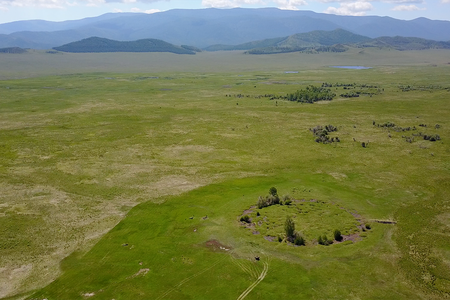
Archaeologists discovered the tomb in southern Siberia in 2017.

Humans May Have Been Getting High on Weed 2,800 Years Ago. Cannabis Seeds and Hair With Traces of THC Were Found in an Ancient Tomb

A tomb discovered in Siberia and associated with Scythians—a nomadic, horse-riding people that once roamed the Eurasian steppe—might provide the earliest direct evidence of cannabis use
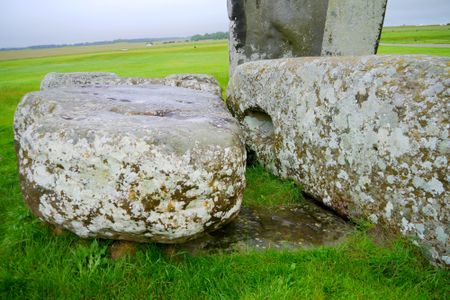
The Altar Stone lies flat on the ground, sunk into the grass beneath the collapsed upright of the Great Trilithon and its lintel.

New Research

Where Did Stonehenge’s Mysterious, Six-Ton Altar Stone Really Come From? Geologists Rule Out the Scottish Hypothesis as the Search Deepens

A comprehensive investigation of the sandstone megalith’s “geological fingerprint” suggests it did not originate in northeast Scotland, as a surprising study concluded in 2024, sending scientists back into the field to track down the enigmatic slab’s origins
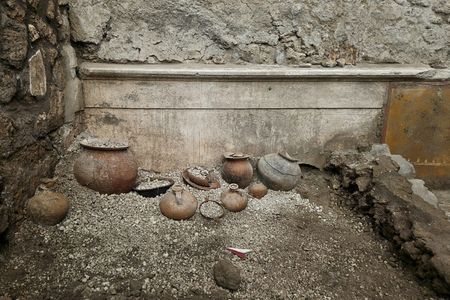
Vessels uncovered in the House of Cornelius Maximus, located on one of Pompeii's busiest streets

Cool Finds

This Wooden Wardrobe in Pompeii Remained Sealed for Nearly 2,000 Years. Archaeologists Just Opened It for the First Time

The ancient cabinet held a pair of tweezers, a perfume bottle, an incense burner and ceramic vessels. But the most impressive find was a necklace sporting at least 24 amulets shaped like deities, plants and body parts
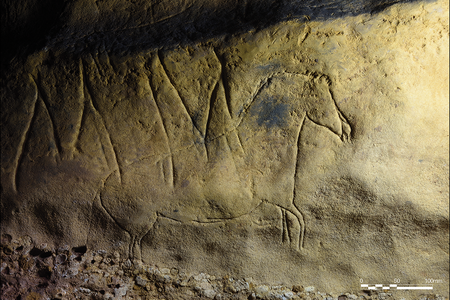
An engraving of a horse, one of roughly 280 artworks found in the cave, is estimated to be 26,000 years-old.

Cool Finds

For Centuries, Cave Visitors Walked Right by 280 Ice Age Engravings. The Newly Discovered Rock Art Is Rewriting Catalonia’s Prehistory

Prior to the discovery, rock art in northeastern Spain was “very scarce,” one archaeologist says. The drawings show dozens of animals, as well as more abstract shapes, which are distinct from other Paleolithic styles

The SS Cornwallis was transporting sugar and molasses from Barbados to New Brunswick when it was torpedoed by a German U-boat.

Cool Finds

A Nazi Submarine Torpedoed a Merchant Ship Just Off the Coast of Maine in 1944. Divers Have Finally Located the Wreckage, 400 Feet Below the Surface

The SS “Cornwallis” was traveling between Barbados and Canada when it was sunk by a German U-boat that had delivered Nazi spies to American soil just days earlier
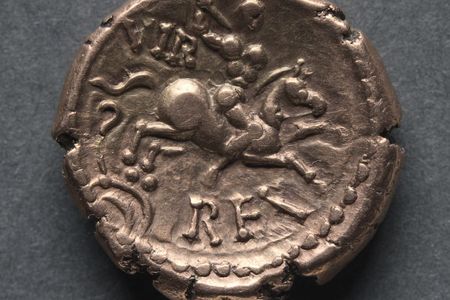
The Verica Stater coin, showing a figure on horseback and the inscription "Rex"

New Research

Was the British King Who Urged the Romans to Invade Actually a Queen? One Archaeologist Thinks So

Linguistic clues and ancient coins could suggest that Verica—a ruler who fled Britain and convinced Roman Emperor Claudius to launch an invasion across the English Channel—has been misgendered for centuries

Archaeologists found the sword at the bottom of Lake Mezzano in central Italy.

Cool Finds

Archaeologists Found a 3,300-Year-Old Sword at the Bottom of a Volcanic Lake in Italy—and It’s Still Sharp

The remarkably well-preserved 13th century B.C.E. weapon was found submerged in Lake Mezzano, once home to a Bronze Age village on stilts

Gentile Bellini’s 1480 portrait of Ottoman Sultan Mehmet II

Actually, You Can Go Back to Constantinople. A Landmark Exhibition Reconstructs the Imperial City With 1,600 Years of Treasures From Byzantine and Ottoman Times

“Constantinople to Istanbul: One City, Two Empires” at London’s Victoria and Albert Museum tracks the storied city’s evolution from a 4th-century capital to a bustling 19th-century metropolis—hippodromes, bathhouses and all

Researchers discovered traces of Egyptian Blue, the world's oldest-known synthetic pigment, which was typically used to color deities and royals.

Faded Over Millennia, the Intricately Carved Sandstone Walls of This Ancient Egyptian Shrine Will See Color Once Again

Digital projections at Oxford’s Ashmolean Museum will restore the sight of Egyptian blue, the world’s oldest synthetic pigment, and other colors that once adorned the 2,700-year-old Shrine of Taharqa
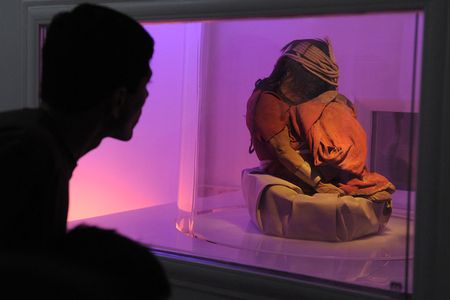
A mummy known as El Niño (The Boy), a seven-year old Inca child found in 1999 on the top of the Llullaillaco volcano in the Argentine Andes.

New Research

Forensic Analysis of Frozen Inca Mummies Reveals That Sacrificed Children Were Plied With Coca Leaves, Corn Beer and Ayahuasca Compounds Before Death

Five centuries after children were sacrificed on volcanic peaks in the Andes, chemical clues preserved in their hair and fingernails show how the empire used intoxicating blends to soothe the children during their final months
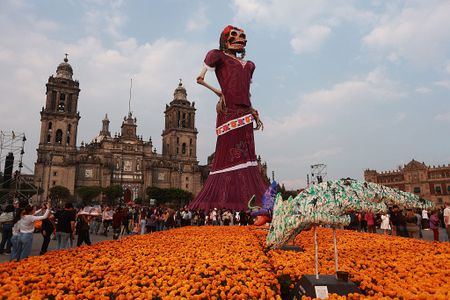
The towering figure is surrounded by thousands of marigolds.

See the World’s Tallest Day of the Dead Skeleton, Made From Steel, Fiberglass, Papier-Mâché and 70,000 Marigolds

Standing a little more than 109 feet tall—roughly the height of an 11-story building—the colorful “La Catrina” figure in Mexico City broke the previous record of 92 feet set in Puerto Vallarta, Mexico, in 2023

A facial reconstruction of a man whose decapitated skeleton was found in Musselburgh, Scotland, in 2010

New Research

Archaeologists in Scotland Discovered the Skeleton of a Roman-Era Man Who Was Decapitated Nearly 2,000 Years Ago. Now, You Can See What He Might Have Looked Like During His Lifetime

A digital facial reconstruction of the man, whose head was severed after his death, will soon go on view in Edinburgh. It depicts an individual in his early 50s, with graying hair and brown eyes
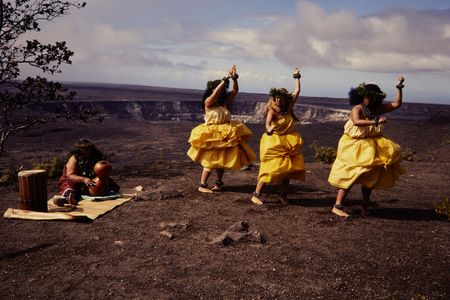
Native Hawaiians dancing at Hawai'i Volcanoes National Park.

Hawaii and Easter Island Are 4,400 Miles Apart. But the Same Group of ‘Ultravoyagers’ Settled Both Centuries Ago, Genetic Study Suggests

Researchers studied DNA from more than 1,000 modern-day Polynesians and found that Native Hawaiians and Easter Islanders were most closely related. The findings help trace the epic settlement of the Polynesian islands while also revealing genetic vulnerabilities among their communities
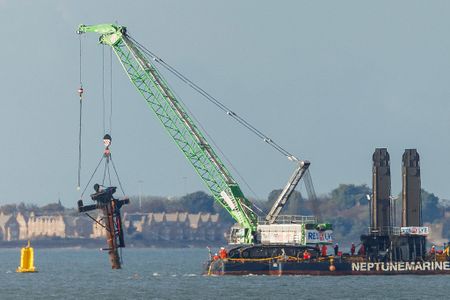
Engineers carefully removed the three masts of the SS Richard Montgomery, which sank in 1944 in the Thames Estuary near Sheerness, England.

Engineers Delicately Removed the Masts From This Bomb-Laden World War II Shipwreck in the River Thames. But 1,500 Tons of Explosives Are Still in Place

The operation marks a major milestone in efforts to address the risks posed by the sunken American military cargo ship, which still contains a massive cache of unexploded munitions
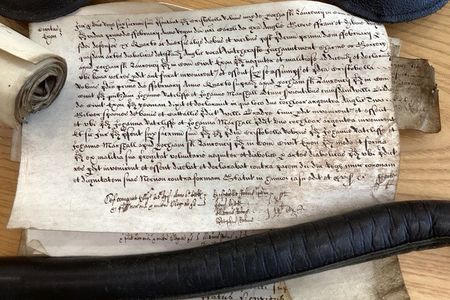
The original court indictment of Christabel Robyns, accused of witchcraft

New Research

As Most of England Relaxed Its Stance on Witchcraft, One Hardline City Bucked the Trend. It Even Went After ‘Service Magicians,’ Who Used Magic to Investigate Petty Crimes

New historical research shows how the city of Exeter hunted down accused witches while the rest of the country relented. Its prosecution of benign local sleuths shows how far the authorities were willing to go
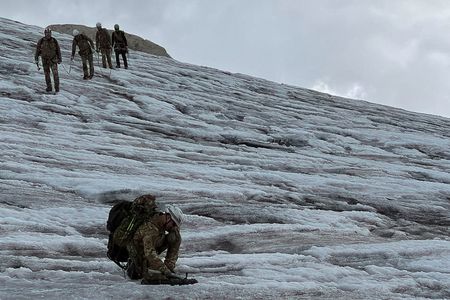
Military specialists inspect a high-altitude ice field in the Dolomites, navigating treacherous terrain to disarm munitions left behind from World War I.

Cool Finds

Melting Ice in the Italian Dolomites Exposes Hundreds of World War I Munitions, Vestiges of the Vertiginous ‘White War’

Following low snowfall and record-breaking summer heat, the Italian Army is hunting for unexploded shells and bombs. “When they re-emerge, they are very, very dangerous,” one expert warns
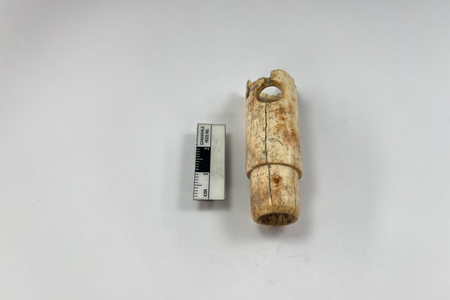
Researchers found the bone flute in an archaeological layer of Troy that dates to the eighth century B.C.E.

Cool Finds

Crafted From Bone, This 2,800-Year-Old Flute Unearthed in Troy May Have Been Played Around the Time That Homer Composed ‘The Iliad’ and ‘The Odyssey’

After more than 150 years of excavations, the object is the first musical instrument ever discovered in the ruins of the ancient city, which is located in modern-day Turkey
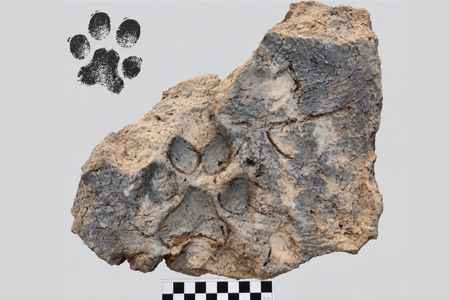
The paw print was found in the rubble of a Bronze Age home in Tavşanlı Höyük.

A Dog Left a Paw Print on This Mud Brick 4,000 Years Ago. Archaeologists Discovered It in the Rubble of a Bronze Age House

The brick was found at Tavsanli Hoyuk, an archaeological site in western Turkey. Humans and dogs in this region have had a close relationship for thousands of years
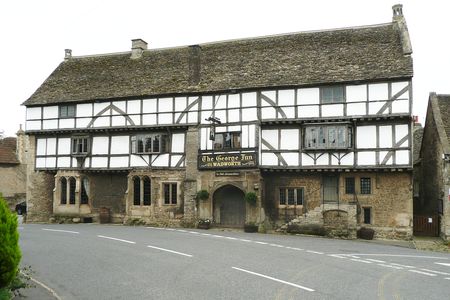
The George Inn in the village of Norton St. Philip in Somerset has been crowned the oldest pub in England.

New Research

Where Is England’s Oldest Pub? An Archaeologist Drilled Into 600-Year-Old Timbers to Answer the Contentious Question

Tree-ring dating shows that a historic tavern in Somerset has been continually operating as an inn since the 1430s, when local monks built it to lodge wool merchants

Dolores Huerta leading a crowd in a chant at age 96

Dolores Huerta, Farmworker Rights Activist Who Coined ‘Sí Se Puede,’ Dies at 96

A pioneering labor organizer who co-founded the United Farm Workers union, Huerta spent a lifetime fighting for migrant laborers’ rights, advocating for women and supporting marginalized communities

Page 1 of 352