
Wild Things: Life as We Know It
Chewing dinosaurs, climate change, self-sacrificing ants and black bears
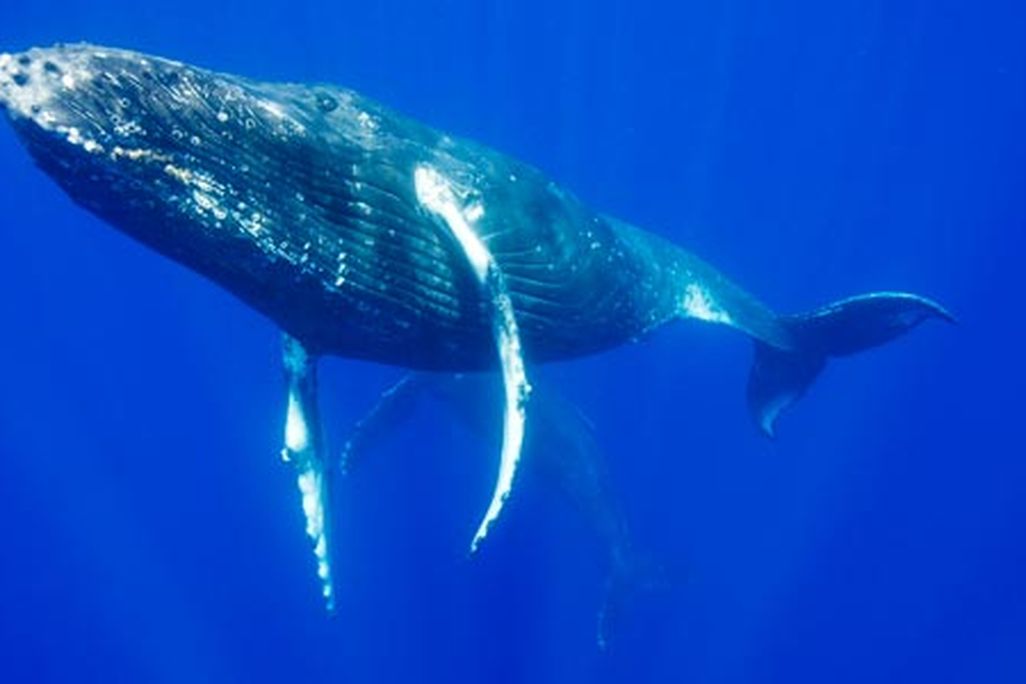
Making Waves
/https://tf-cmsv2-smithsonianmag-media.s3.amazonaws.com/filer/wildthings_dec08_520.jpg)
Monkey Beware
/https://tf-cmsv2-smithsonianmag-media.s3.amazonaws.com/filer/wildthings_dec08_2.jpg)
Observed
/https://tf-cmsv2-smithsonianmag-media.s3.amazonaws.com/filer/wildthings_dec08_3.jpg)
Good News Bears: Urban-dwelling females, eating a garbage-fortified diet, gain weight faster and have cubs younger than their forest-dwelling counterparts, according to a study in western Nevada led by the Wildlife Conservation Society.
Bad News Bears: Urban females die younger.
Worse News Bears: Despite their reproductive head start, urban animals aren't increasing the overall bear population. Any gains are more than offset by urban hazards, especially collisions with cars. Says the lead researcher: "Urban areas are becoming the ultimate bear traps."
Eschewing Chewing
/https://tf-cmsv2-smithsonianmag-media.s3.amazonaws.com/filer/wildthings_dec08_4.jpg)
The Collictive Good
/https://tf-cmsv2-smithsonianmag-media.s3.amazonaws.com/filer/wildthings_dec08_5.jpg)