• Smithsonian
    Institution
  • Travel
    With Us
  • Smithsonian
    Store
  • Smithsonian
    Channel
  • goSmithsonian
    Visitors Guide
  • Air & Space
    magazine

Smithsonian.com

  • Subscribe
  • History & Archaeology
  • Science
  • Ideas & Innovations
  • Arts & Culture
  • Travel & Food
  • At the Smithsonian
  • Photos
  • Videos
  • Games
  • Shop
  • Human Behavior
  • Mind & Body
  • Our Planet
  • Technology
  • Space
  • Wildlife
  • Art Meets Science
  • Science & Nature

Charles Csuri is an 'Old Master' in a new medium

When a big mainframe first showed up at Ohio State University, this member of the artfaculty began moonlighting across the quad
| | | Reddit | Digg | Stumble | Email |
  • By Paul Trachtman
  • Smithsonian magazine, February 1995, Subscribe
 

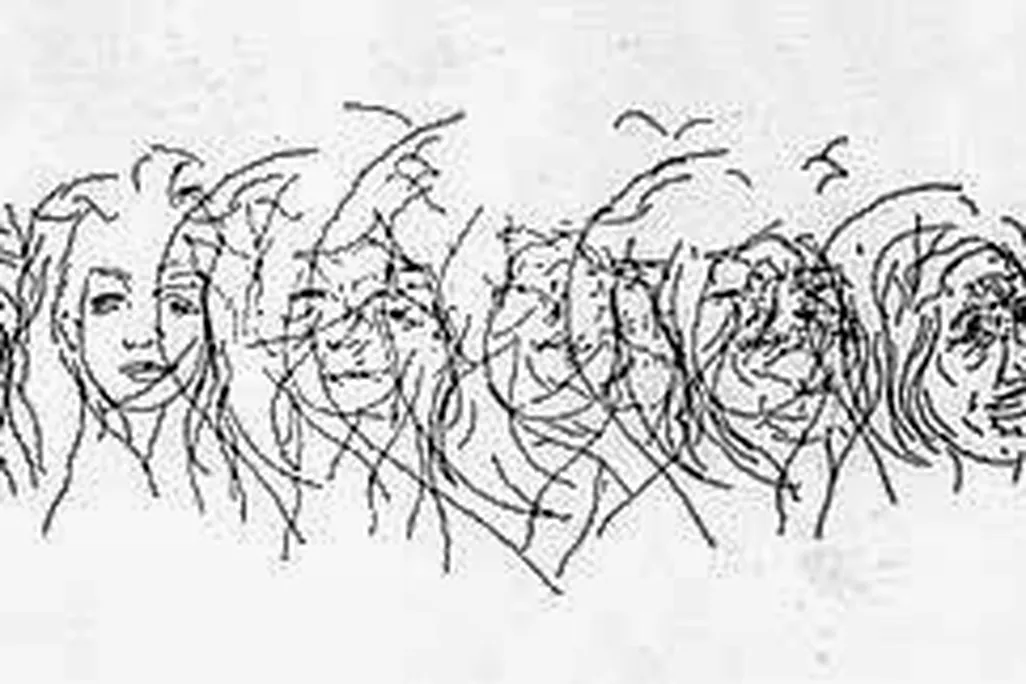
In the short history of computer art, Prof. Charles Csuri at Ohio State University may be the nearest thing, in this new art form, to an Old Master.

In 1964, when Csuri decided to turn the computer into an artist's tool, the computer confronting him was a huge mainframe that required the entry of its data through punched cards. He had to become a programmer to talk to it. Until recent years, he wasn't making any art, except in his mind; he was developing the programs he needed to make the art he imagined.

Although there are now some powerful paint programs that allow artists to draw on a touch-sensitive tablet, and watch their work appear on the screen while the computer provides a choice of brushstrokes and colors, Csuri largely forgoes this more direct interaction with the computer. Instead, he continues to type away in the arcane jargons of computer languages, scripts, codes and menu selections, using a sophisticated computer that lets him sculpt images in three dimensions, set them in motion, and alter them in ways that often blur the distinctions between special effects and art. Yet, Csuri points out, "even though we have all this marvelous technology, you still need to have an esthetic sensibility, you need a sense of culture and history (for the image to work as art). That has not changed."


In the short history of computer art, Prof. Charles Csuri at Ohio State University may be the nearest thing, in this new art form, to an Old Master.

In 1964, when Csuri decided to turn the computer into an artist's tool, the computer confronting him was a huge mainframe that required the entry of its data through punched cards. He had to become a programmer to talk to it. Until recent years, he wasn't making any art, except in his mind; he was developing the programs he needed to make the art he imagined.

Although there are now some powerful paint programs that allow artists to draw on a touch-sensitive tablet, and watch their work appear on the screen while the computer provides a choice of brushstrokes and colors, Csuri largely forgoes this more direct interaction with the computer. Instead, he continues to type away in the arcane jargons of computer languages, scripts, codes and menu selections, using a sophisticated computer that lets him sculpt images in three dimensions, set them in motion, and alter them in ways that often blur the distinctions between special effects and art. Yet, Csuri points out, "even though we have all this marvelous technology, you still need to have an esthetic sensibility, you need a sense of culture and history (for the image to work as art). That has not changed."

    Subscribe now for more of Smithsonian's coverage on history, science and nature.


| | | Reddit | Digg | Stumble | Email |
 

Add New Comment


Name: (required)

Email: (required)

Comment:

Comments are moderated, and will not appear until Smithsonian.com has approved them. Smithsonian reserves the right not to post any comments that are unlawful, threatening, offensive, defamatory, invasive of a person's privacy, inappropriate, confidential or proprietary, political messages, product endorsements, or other content that might otherwise violate any laws or policies.

Comments


Advertisement


Most Popular

  • Viewed
  • Emailed
  • Commented
  1. The Gut-Wrenching Science Behind the World’s Hottest Peppers
  2. How Do Death Valley’s “Sailing Stones” Move Themselves Across the Desert?
  3. 16 Photographs That Capture the Best and Worst of 1970s America
  4. The Scariest Monsters of the Deep Sea
  5. Jack Andraka, the Teen Prodigy of Pancreatic Cancer
  6. What Genomic Research Can Tell Us About the Earth's Biodiversity
  7. How Titanoboa, the 40-Foot-Long Snake, Was Found
  8. Ten Inventions Inspired by Science Fiction
  9. Photos of the World’s Oldest Living Things
  10. The Ten Most Disturbing Scientific Discoveries
  1. Jack Andraka, the Teen Prodigy of Pancreatic Cancer
  2. What Genomic Research Can Tell Us About the Earth's Biodiversity
  3. The Gut-Wrenching Science Behind the World’s Hottest Peppers
  1. How Do Death Valley’s “Sailing Stones” Move Themselves Across the Desert?
  2. What Genomic Research Can Tell Us About the Earth's Biodiversity
  3. The Truth About Pheromones
  4. What Lies Ahead for 3-D Printing?

View All Most Popular »

Advertisement

Follow Us

Smithsonian Magazine
@SmithsonianMag
Follow Smithsonian Magazine on Twitter

Sign up for regular email updates from Smithsonian.com, including daily newsletters and special offers.

In The Magazine

June 2013

  • The Mind on Fire
  • Burning Desire
  • 10 Epiphanies
  • Rocket Fuel
  • Accounting for Taste

View Table of Contents »


First Name
Last Name
Address 1
Address 2
City
State   Zip
Email


Travel with Smithsonian


Smithsonian Store

Stars and Stripes Throw

Our exclusive Stars and Stripes Throw is a three-layer adaption of the 1861 “Stars and Stripes” quilt... $65


View full archiveRecent Issues


  • Jun 2013


  • May 2013


  • Apr 2013

Newsletter

Sign up for regular email updates from Smithsonian magazine, including free newsletters, special offers and current news updates.

Subscribe Now

About Us

Smithsonian.com expands on Smithsonian magazine's in-depth coverage of history, science, nature, the arts, travel, world culture and technology. Join us regularly as we take a dynamic and interactive approach to exploring modern and historic perspectives on the arts, sciences, nature, world culture and travel, including videos, blogs and a reader forum.

Explore our Brands

  • goSmithsonian.com
  • Smithsonian Air & Space Museum
  • Smithsonian Student Travel
  • Smithsonian Catalogue
  • Smithsonian Journeys
  • Smithsonian Channel
  • About Smithsonian
  • Contact Us
  • Advertising
  • Subscribe
  • RSS
  • Topics
  • Member Services
  • Copyright
  • Site Map
  • Privacy Policy
  • Ad Choices

Smithsonian Institution