Wild Things: Life as We Know It
Geckos, tiny dinosaurs, cave man couture, and more
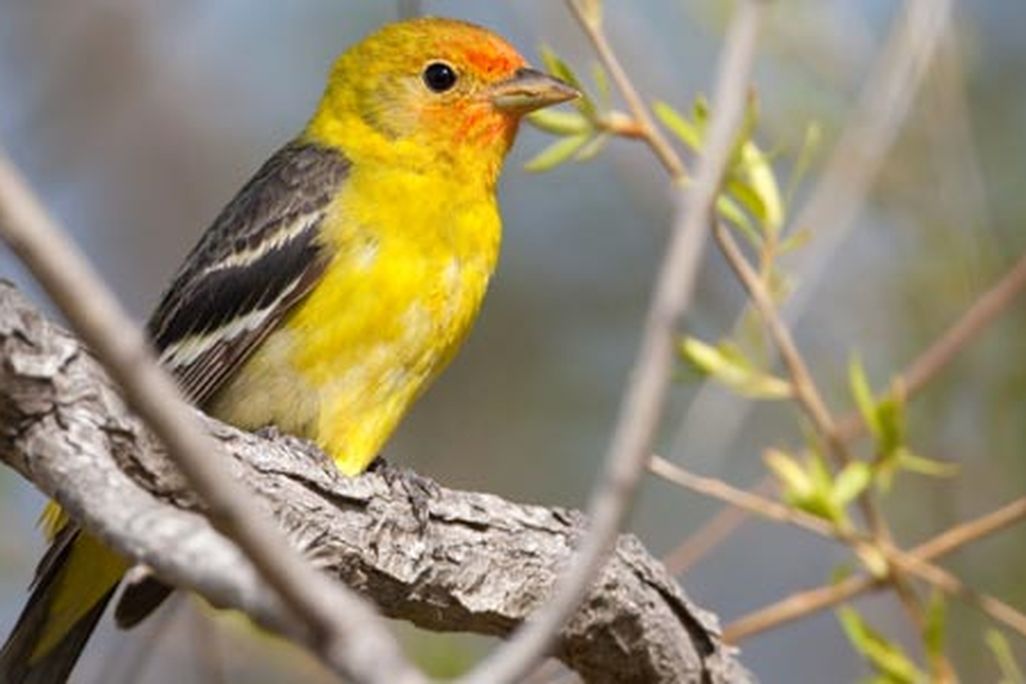
Looking For A Good Home
/https://tf-cmsv2-smithsonianmag-media.s3.amazonaws.com/filer/Wild-Things-Western-tanager-520.jpg)
Learn more about the western tanager at the Encyclopedia of Life.
Males No Longer Needed
/https://tf-cmsv2-smithsonianmag-media.s3.amazonaws.com/filer/Wild-Things-small-ant-520.jpg)
Learn more about the ant Mycocepurus smithii at the Encyclopedia of Life.
Cave Man Style
/https://tf-cmsv2-smithsonianmag-media.s3.amazonaws.com/filer/Wild-Things-wild-flax-fiber-520.jpg)
Tiny Tyrant
/https://tf-cmsv2-smithsonianmag-media.s3.amazonaws.com/filer/Wild-Things-T-rex-520.jpg)
Learn more about Raptorex kriegsteini at our Dinosaur Tracking blog.
Observed
/https://tf-cmsv2-smithsonianmag-media.s3.amazonaws.com/filer/Wild-Things-leopard-gecko-520.jpg)
Tails They Lose: Like many other lizards, the leopard gecko can shed its tail to distract predators.
Rhythm They Lack: What's unusual, researchers from Clemson and the University of Calgary have found, is that the detached tails move not just back and forth, as in other species, but also flip and flop.
Potential They Have: Studying leopard gecko tails could help scientists understand complex movements that aren't guided by a central nervous system; they say the information might prove useful to people with spinal cord injuries.
Learn more about the leopard gecko at the Encyclopedia of Life.