
Wild Things: Life as We Know It
Feathered dinosaurs, white-coated horses, giant redwoods and more…
Sequoias In The Mist
/https://tf-cmsv2-smithsonianmag-media.s3.amazonaws.com/filer/Wild-Things-sequoias-520.jpg)
Learn more about coast redwoods at the Encyclopedia of Life.
Bloomin' Tide
/https://tf-cmsv2-smithsonianmag-media.s3.amazonaws.com/filer/Wild-Things-algae-520.jpg)
Share and Share Alike
/https://tf-cmsv2-smithsonianmag-media.s3.amazonaws.com/filer/Wild-Things-bonobos-520.jpg)
Learn more about bonobos at the Encyclopedia of Life.
Living Color
/https://tf-cmsv2-smithsonianmag-media.s3.amazonaws.com/filer/Wild-Things-feathered-theropod-520.jpg)
Learn more about Anchiornis huxleyi at our Dinosaur Tracking blog.
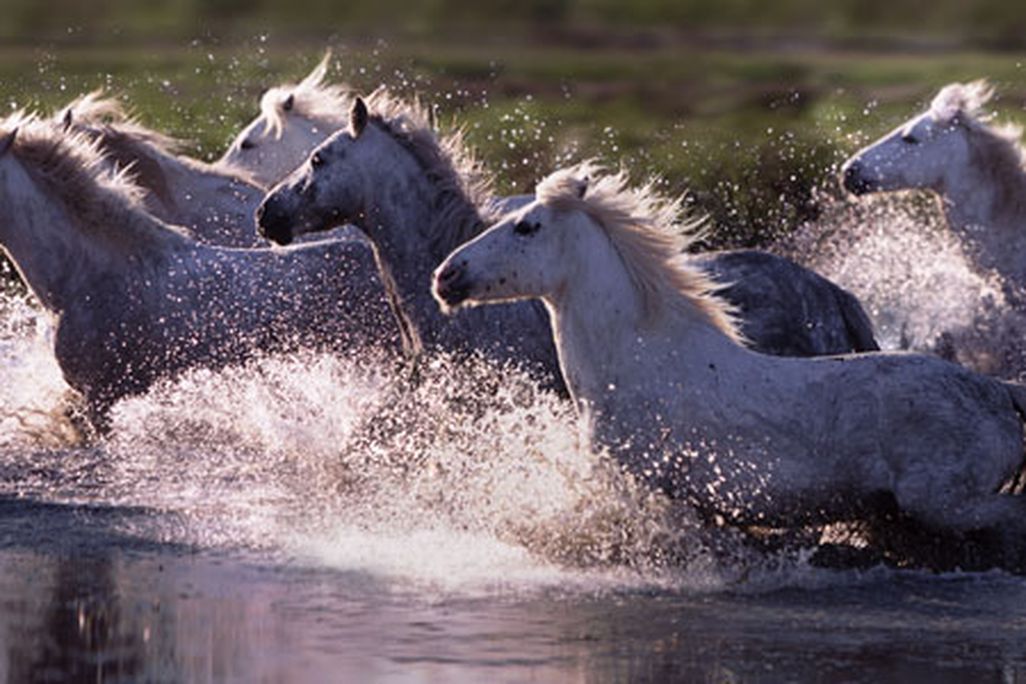
Observed
/https://tf-cmsv2-smithsonianmag-media.s3.amazonaws.com/filer/Wild-Things-white-horse-520.jpg)
Among Humans: Prized.
Among Flies: Not so much.
Among Horses: White-coated horses are more susceptible to skin cancer and vision problems than more darkly pigmented herd mates. But this is a mixed curse, researchers studying a herd in Hungary have found. Blood-sucking, disease-spreading flies that prey on horses find their victims in part by detecting the polarized light reflected by the horses’ coats. White coats reflect light differently, making them less vulnerable to fly attacks.
Learn more about horses at the Encyclopedia of Life.