Wild Things: Life as We Know It
Caterpillars, Frogs, Big Birds and More…
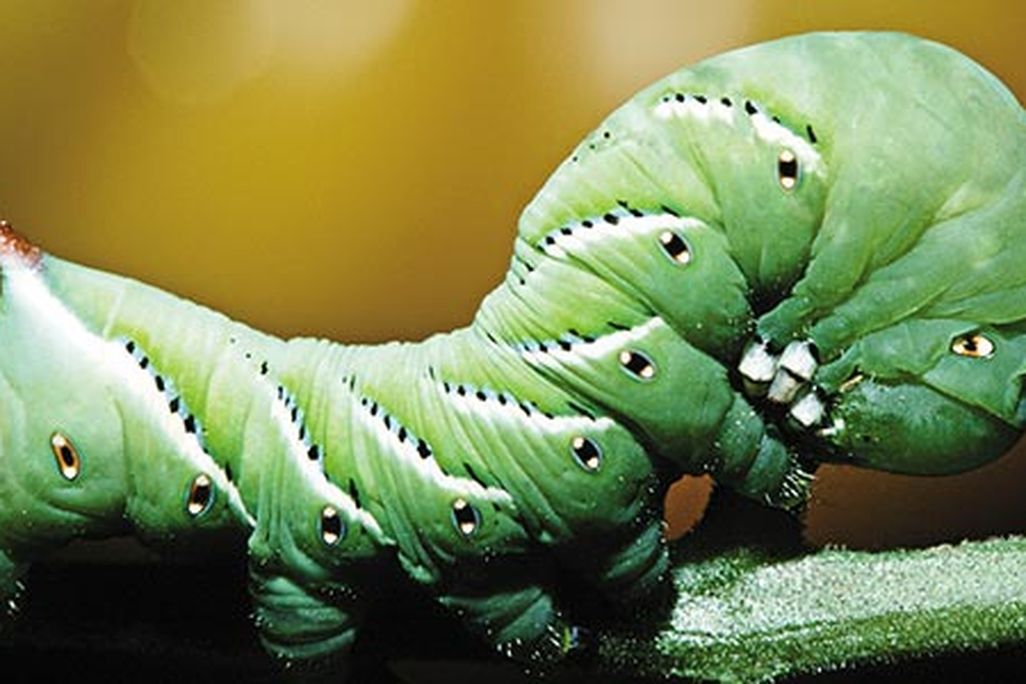
A Gutsy New Way To Get Around
/https://tf-cmsv2-smithsonianmag-media.s3.amazonaws.com/filer/Wild-Things-caterpillars-1.jpg)
Beak Performance
/https://tf-cmsv2-smithsonianmag-media.s3.amazonaws.com/filer/Wild-Things-Andalgalornis-fossil-2.jpg)
Whale Song Update
/https://tf-cmsv2-smithsonianmag-media.s3.amazonaws.com/filer/Wild-Things-blue-whale-3.jpg)
Enemy Shelter
/https://tf-cmsv2-smithsonianmag-media.s3.amazonaws.com/filer/Wild-Things-beach-grass-Tidestroms-lupine-4.jpg)
Observed
/https://tf-cmsv2-smithsonianmag-media.s3.amazonaws.com/filer/Wild-Things-New-Zealand-primitive-frog-5.jpg)
Leap: By extending their hind legs, like other frogs.
Land: On their bellies—unlike frogs that evolved more recently, which land on four feet to absorb the shock.
Lesson: If a group of primitive frogs belly-flops, it suggests that the common ancestor of all frogs did as well. In other words, “frogs evolved jumping before they perfected landing,” according to the study by Richard Essner of Southern Illinois University and others. As for Leiopelmatidae, he says, “these guys are small, so bad landings aren’t as big of a deal.”