Wild Things: Life as We Know It
Hummingbirds, birch trees, queen bees, northern quolls and more…
Observed
/https://tf-cmsv2-smithsonianmag-media.s3.amazonaws.com/filer/purple-throated-carib-hummingbird-5.jpg)
Fighters? Males defend unusually large territories.
Lovers? Their territories include a Heliconia species whose nectar only female E. jugularis can reach with their long, curved beaks. Males gain an advantage in mating by allowing females to feed on the flowers.
Farmers? It’s the first time researchers have documented male birds guarding a food only females eat. Study authors W. John Kress of Smithsonian’s National Museum of Natural History and Ethan Temeles of Amherst College call it “nectar farming.”
Learn more about the purple-throated carib at the Encyclopedia of Life.
Off!
/https://tf-cmsv2-smithsonianmag-media.s3.amazonaws.com/filer/birch-trees-rhododendrons-2.jpg)
Learn more about rhododendrons at the Encyclopedia of Life.
Sleek Stripes
/https://tf-cmsv2-smithsonianmag-media.s3.amazonaws.com/filer/striped-sea-snake-3.jpg)
Learn more about sea snakes at the Encyclopedia of Life.
How to Get a Bigger Brain
/https://tf-cmsv2-smithsonianmag-media.s3.amazonaws.com/filer/Megalopta-genalis-bee-queen-4.jpg)
Learn more about Megalopta genalis bees at the Encyclopedia of Life.
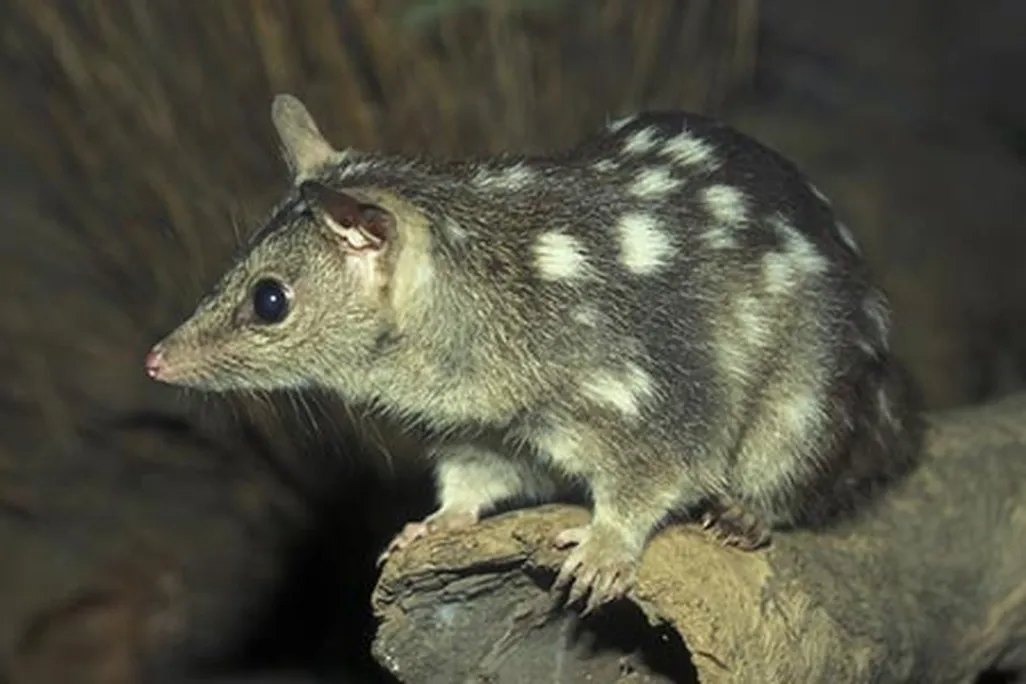
Bitter Lessons
/https://tf-cmsv2-smithsonianmag-media.s3.amazonaws.com/filer/Northern-quolls-Australian-marsupial-1.jpg)
Learn more about the northern quoll at the Encyclopedia of Life.