


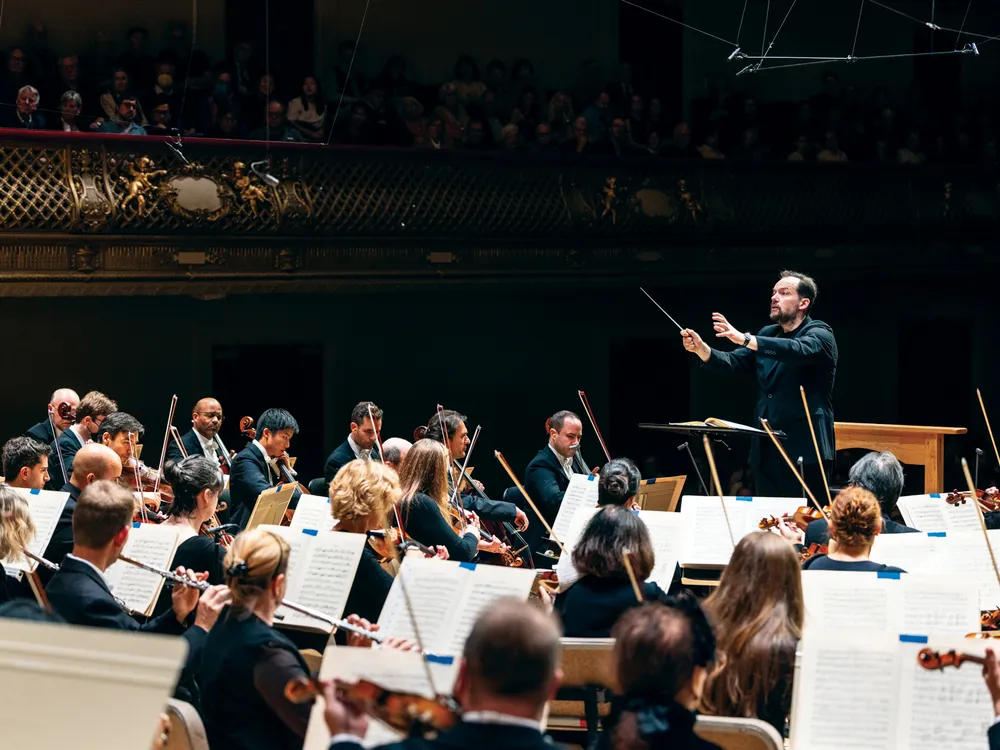
Boston’s Symphony Hall opened on October 15, 1900, as a test of an idea nobody had yet tried. A Harvard physicist who had never designed a building calculated its acoustics in advance, at a time when every other concert hall on earth had been shaped by instinct and inheritance. The calculation held, and the vaulted room has been the Boston Symphony Orchestra's home ever since. And the orchestra is finding new ways to innovate the field of orchestral music. Its 146th season, which opened with a September 17 with a special concert featuring Yo-Yo Ma and runs through May 9, is organized around questions the institution asks itself and, by extension, anyone holding a ticket.
"We've intentionally framed these festivals this way to exemplify the actual conversations that the artists of our time are having," says Daniel Mallampalli, the BSO's assistant vice president of artistic planning. "Throughout the season, we'll explore what inspires and perplexes them, and the broader societal questions modern-day artists are confronting that influence their work."
Those conversations unfold across four projects this season: Technology & Our Humanity in October, the Creation Festival in November, a complete Tchaikovsky symphony cycle in January, and Stravinsky's three Diaghilev ballets in February.
A Hall Built on a Hypothesis
The job nobody had ever done before came to Wallace Clement Sabine in 1895. Harvard’s new Fogg lecture hall was unusable, and the senior physicists had written the problem off as insoluble. Instead, it went to an assistant professor who had not yet finished his doctorate. Sabine spent his nights hauling hundreds of borrowed seat cushions between the Fogg and Sanders Theatre, the hall everyone agreed sounded superb, timing an organ pipe against a stopwatch to learn how long a tone survived in each room, then putting it all back before morning classes. He worked out that an average person absorbs about as much sound as six seat cushions. From that tedium came a formula, and reverberation time became something a person could actually calculate rather than guess. Sabine named the field he had just opened architectural acoustics.
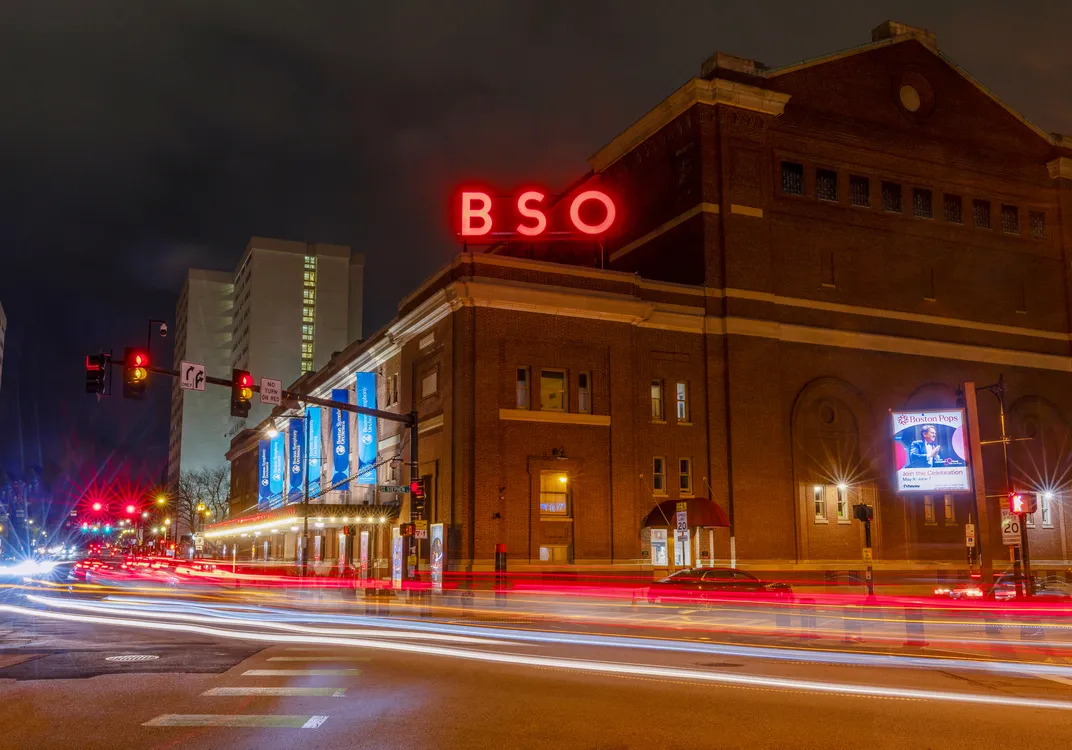
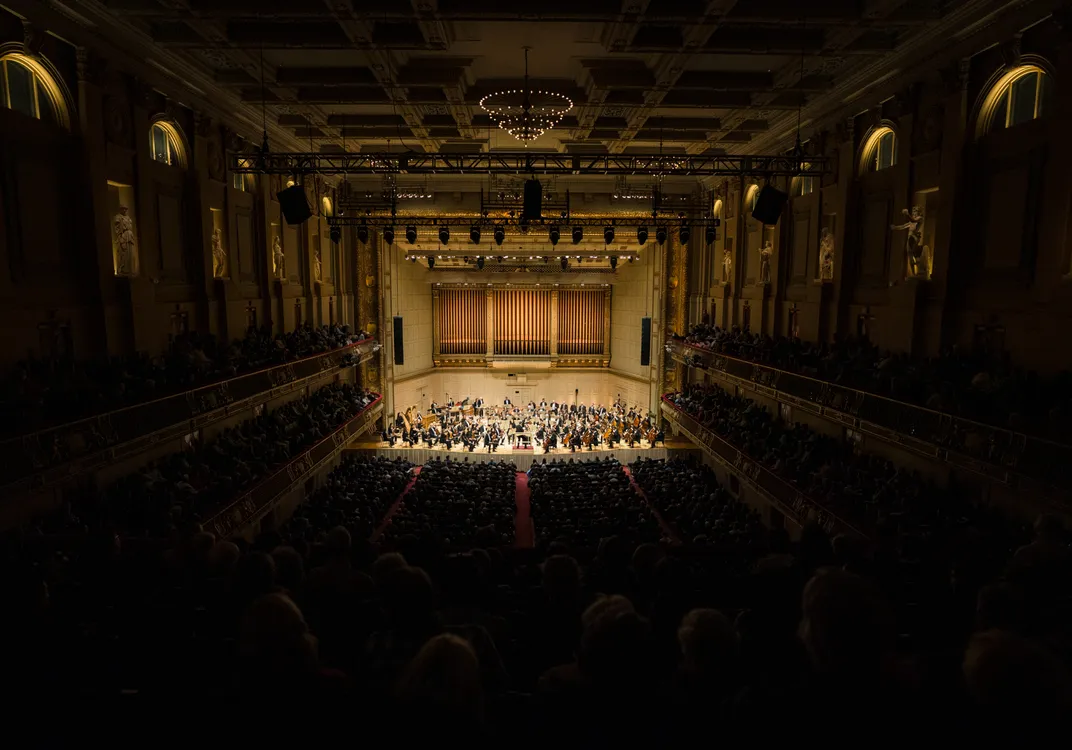
Henry Lee Higginson, who founded the BSO in 1881 and bought the Huntington Avenue land in 1892, gave Sabine a chance to use it on a building that didn't exist yet. McKim, Mead & White drew a brick basilica that went up in 16 months for $771,000. Sabine was aiming for a reverberation time between 1.9 and 2.1 seconds, which is why so much of the ornament turns out to be doing acoustic work: coffers in the ceiling and niches holding 16 replicas of Greek and Roman statues scatter sound through the room, the side balconies are shallow enough that they cannot trap it, and the stage’s walls, ceiling and floor all slope inward to push the sound out at the audience. It was the first auditorium in the world built according to the principles of acoustical science.
Only Beethoven’s name was ever filled in on the plaques trimming the stage; his reputation was the one anyone felt sure would last. Wilhelm Gericke led the inaugural concert that October into a room that behaved as predicted, and the hall has been ranked with Vienna’s Musikverein and Amsterdam’s Concertgebouw ever since.
Technology & Our Humanity
This October, the orchestra continues to innovate by asking how technology is reshaping not only music but our understanding of ourselves and one another. The centerpiece, performed October 22 through 24 under Kent Nagano, a Seiji Ozawa protégé and longtime champion of new music, is the world premiere of already and not yet, a BSO commission from composer Tod Machover, faculty director of the MIT Media Lab, who has spent four decades there building instruments that respond to the people playing them. The hard part now is making a live AI system musical.
"Because of its ability to 'listen' and 'respond,' developing AI technologies allows for just this kind of 'aliveness' and adds a warmth and spontaneity to human-machine interactions, although it is very tricky to get it all designed and tuned up," he says.
It emphasizes each BSO musician's individuality while creating unexpected links and blends across the orchestra. Machover treats the players as a collection of more than 80 individuals rather than as the conventional building blocks of strings, brass, winds and percussion, and the work's three movements chart what happens to them under pressure. In the first, titled "Smash Up," half the orchestra sets out to stamp out the other half. "I use the AI systems in the work to emphasize the individuality of all these players in Movement 2 ('Wake Up') and the striving to find a new kind of connection between all these 'soloists' in Movement 3 ('Stand Up')," he says. One cue is visible from any seat: an extra person on stage, Manaswi Mishra, Machover’s doctoral student at the MIT Media Lab, seated in front of the conductor and operating the AI throughout.
Machover describes the work as offering a "possible, positive vision" for the future of democracy, which reframes the piece as civic rather than merely technical. "Already and not yet is a musical journey that explores current challenges to democracy and presents a possible path forward," he says, and the third movement tests that claim. He asks the players for an ensemble sound that preserves individual autonomy while building new connections, and the AI responds more fully as they get closer. "Everyone and everything must listen and respond with utmost sensitivity and responsibility for this to work optimally," he says. "For me, this is what democracy promises…and demands."
The program also includes Mendelssohn's The Hebrides Overture and Reformation Symphony, as well as the U.S. premiere of Alex Nante's Ein feste Burg. The week's performances are complemented by humanities events, including a conversation between Tod Machover and George Lewis, that explore the evolving relationship between technology, creativity, and the human experience.
The Creation Festival
November turns to a much older question: how and why did we come to be? Part of the BSO's multi-season Faith in Our Time exploration, the Creation Festival pairs two works across consecutive weeks. Philippe Jordan conducts Haydn's oratorio The Creation with the Tanglewood Festival Chorus November 5 through 7, and Eric Jacobsen leads the world premiere of Osvaldo Golijov's BSO-commissioned Creation, with a libretto by Tony Award winner David Henry Hwang, November 12 through 14.
The sequencing was not arbitrary. "The new Golijov commission was originally conceived as a companion piece to Haydn's 'The Creation,' a work cherished by the composer," Mallampalli says. "At the beginning of the 2025-2026 season, the BSO launched a Humanities initiative entitled 'Faith in Our Time,' so pairing these two pieces together over the course of two consecutive weeks made an elegant Creation-themed musical focus as a continuation of that initiative." Golijov's score draws on jazz, Arabic, and Brazilian music while exploring Darwinian theory, cosmic randomness, and competing accounts of how the universe began, with vocalist Cécile McLorin Salvant, bass-baritone Davóne Tines, percussionist Cyro Baptista, and kamancheh player Kayhan Kalhor. Chamber concerts, talks and multidisciplinary events staged across Boston explore the Creation theme from multiple persectives both weeks.
The Tchaikovsky Cycle
Over the first three weeks of January, Music Director Andris Nelsons leads all six of Tchaikovsky's numbered symphonies across three programs. The BSO has never performed the complete cycle in a single season. Mallampalli says the orchestra "has long been known for its mastery of the works of Tchaikovsky" and that "his symphonies are truly the orchestra's bread and butter." Compressed into a single month, the six read more like a biography than a greatest-hits run. Programming them this way, he says, means "our audiences will have the ability to immerse themselves in a meaningful exploration of the composer, his life and music."
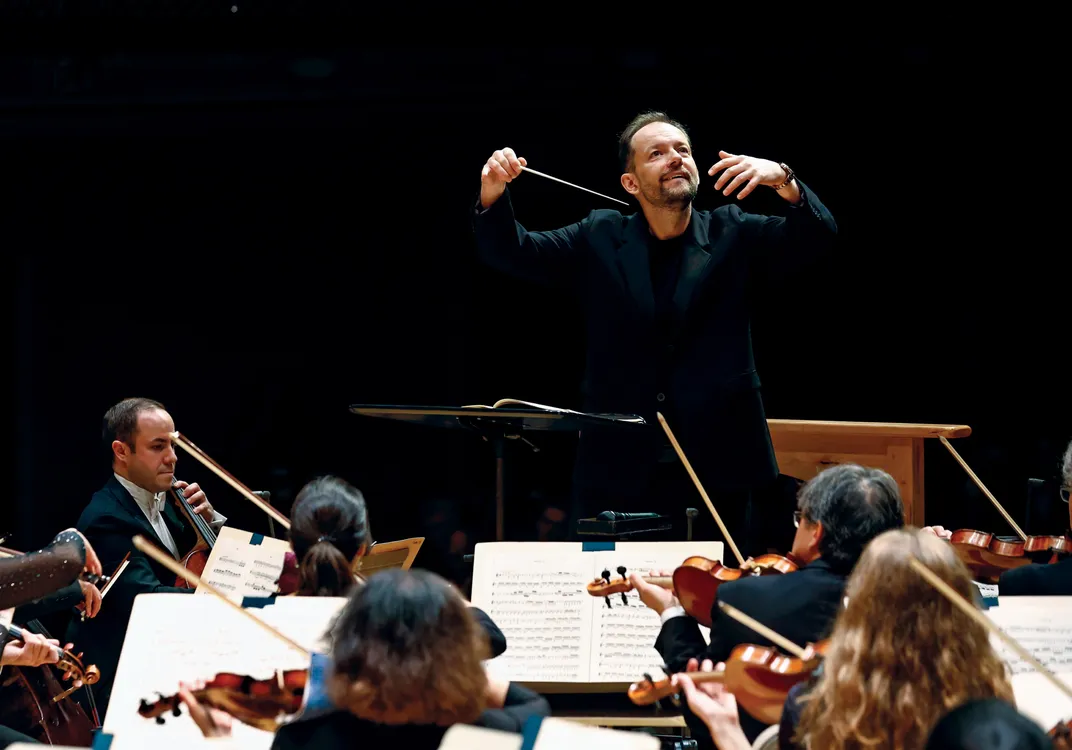
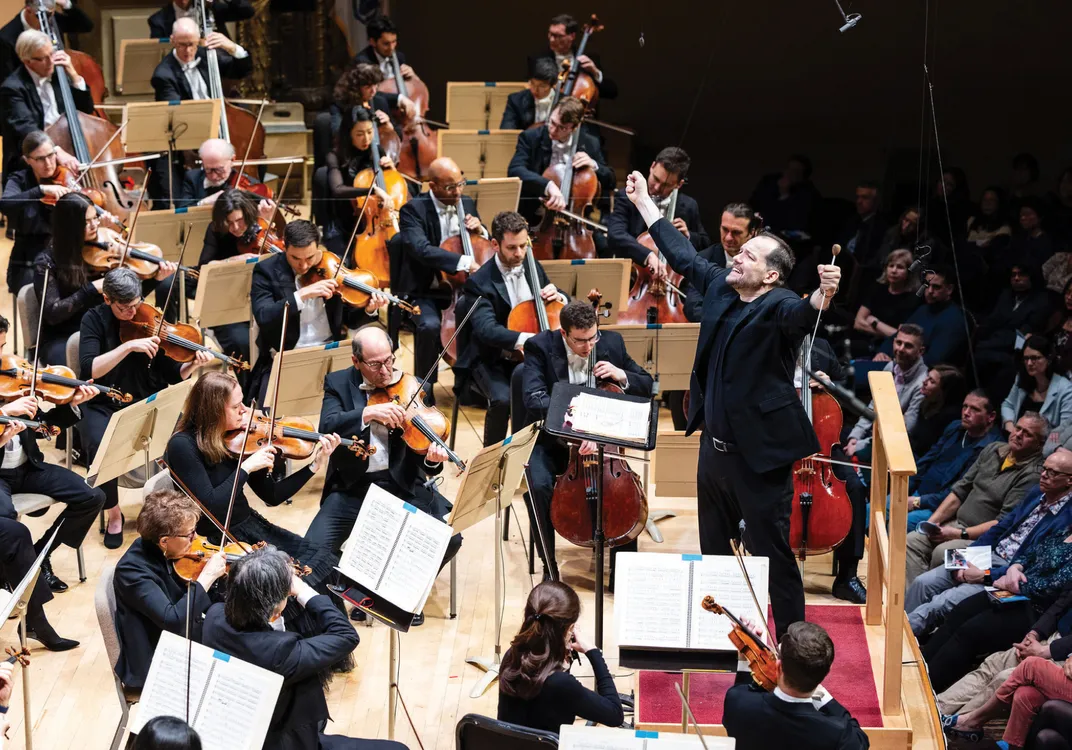
The preconcert talks go somewhere more personal than program notes usually do. "By taking our audience through an exploration of Tchaikovsky's inner world, we'll be discussing the struggles he faced with identity, self-doubt and belonging, and how the emotional turmoil of his life is manifested in his work," Mallampalli says. The month closes on January 29 and 31 with a semi-staged The Queen of Spades, presented in collaboration with Boston Lyric Opera and starring Kristine Opolais and David Butt Philip, with Elena Zaremba as the Countess. The production puts 40 members of the Tanglewood Festival Chorus on stage beside 40 from the BLO Chorus and the newly formed BSO x NEC Honors Children's Choir.
The Stravinsky Ballets
February delivers Stravinsky's three Diaghilev commissions that reset 20th-century music, with Nelsons conducting both weeks. The Rite of Spring comes February 18 through 20, programmed with Unsuk Chin's Trumpet Concerto and soloist Håkan Hardenberger, and the complete Firebird and Petrushka, in the 1947 version and performed whole rather than as suites, follow February 25 through 27. Hearing all three inside ten days shows how quickly one composer dismantled his own conventions between 1910 and 1913. Boston gets them first: in March, Nelsons and the BSO takes the ballets to London, Hamburg, Luxembourg and Paris, with Lang Lang joining for Beethoven's first two piano concertos.
Four projects, one argument. The orchestra has built a season as a set of open questions rather than a standard program list. Machover has a specific hope for what people take with them. "I would hope that audiences leave the hall with a feeling of possibility and optimism, and I'd sure like them to be singing in their heads — or maybe out loud — the melody that ties it all together," he says.
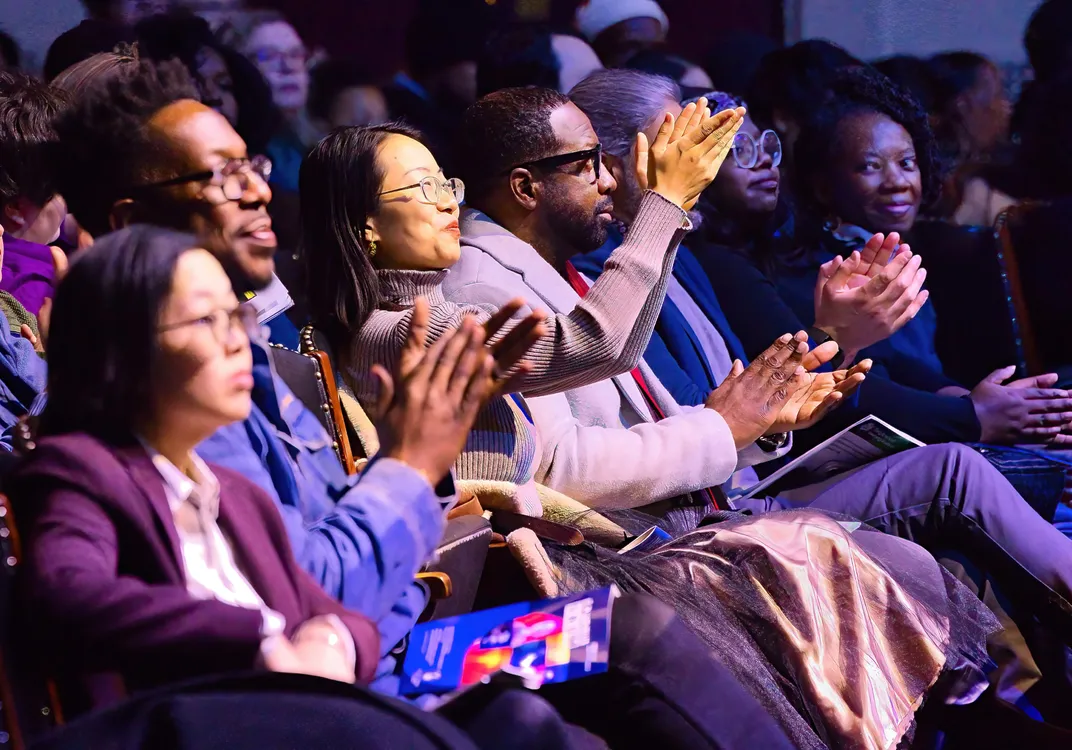
Symphony Hall has been the home of the BSO for 125 years and the spirit of innovation continues this fall. Single tickets and subscriptions are on sale now. Explore the full season and plan your visit at bso.org.