
Zora Neale Hurston’s Forgotten Play Premieres on Stage for the First Time
Based on the author’s short story and ethnographic fieldwork, “Spunk” languished in Library of Congress’ archives for decades
/https://tf-cmsv2-smithsonianmag-media.s3.amazonaws.com/filer_public/56/99/569984c3-2f27-4a18-a1c7-df66dfa5f3ce/gettyimages-2211321345.jpg)
Nearly a century after it was completed, a Zora Neale Hurston play is being staged in full for the first time.
Spunk, written in 1935 by the acclaimed author of Their Eyes Were Watching God, was never staged during her life. Instead, it ended up in the Library of Congress, where it gathered dust until a volunteer rediscovered it decades later.
In 2001, Catherine Sheehy, a scholar of dramaturgy at Yale, heard an NPR report about Hurston’s rediscovered plays and requested a copy of Spunk, reports the New York Times’ Salamishah Tillet. That got the ball rolling for today’s production, which runs at the Yale Repertory Theater through October 25.
Spunk tells the scandalous love story between Spunk Banks, a handsome and confident young man, and Evalina, who is married. Set in the rural South, where segregation is in full swing, the show is brimming with Black folk traditions and music.
“The actual main narrative of Spunk is one of love,” Nehemiah Luckett, the production’s music supervisor, tells the Yale Daily News’ Kiva Bank. “It is one of love that finds its way regardless of what the world around it thinks and the powers that try to stop it. I think that is something that regardless of age or race, that is a story that we all need to hear.”
The play is based on an award-winning short story that Hurston wrote in 1925, which ran in Opportunity, a Harlem Renaissance-era literary journal published by the National Urban League. Following the story’s publication, Hurston embarked on ethnographic surveys of the South and the Caribbean, where she recorded Black folk songs, folklore and spiritual practices. She later won a Guggenheim fellowship to conduct research in Jamaica and Haiti.
The wealth of material that Hurston collected went on to shape her work for the rest of her life, including Their Eyes Were Watching God. Hurston’s fieldwork also informed how she adapted Spunk into a music-forward play.
Quick fact: The writing of Their Eyes Were Watching God
Hurston wrote her masterpiece in seven weeks while conducting research in Haiti.
But it wasn’t always clear to the creative team behind Yale’s staging of Spunk how music was supposed to be used. In some places, the script included short annotations with directions such as “sing song here,” per the Times. It was up to the crew to interpret those moments.
“For the songs where we have lyrics but did not have music, it was actually just a very exciting journey of trying to write something that felt like it was of that time, but that would not be too unfamiliar to our ears today,” Luckett tells the Times. Other songs, such as “Halihmuhfack,” were taken directly from Hurston’s recordings.

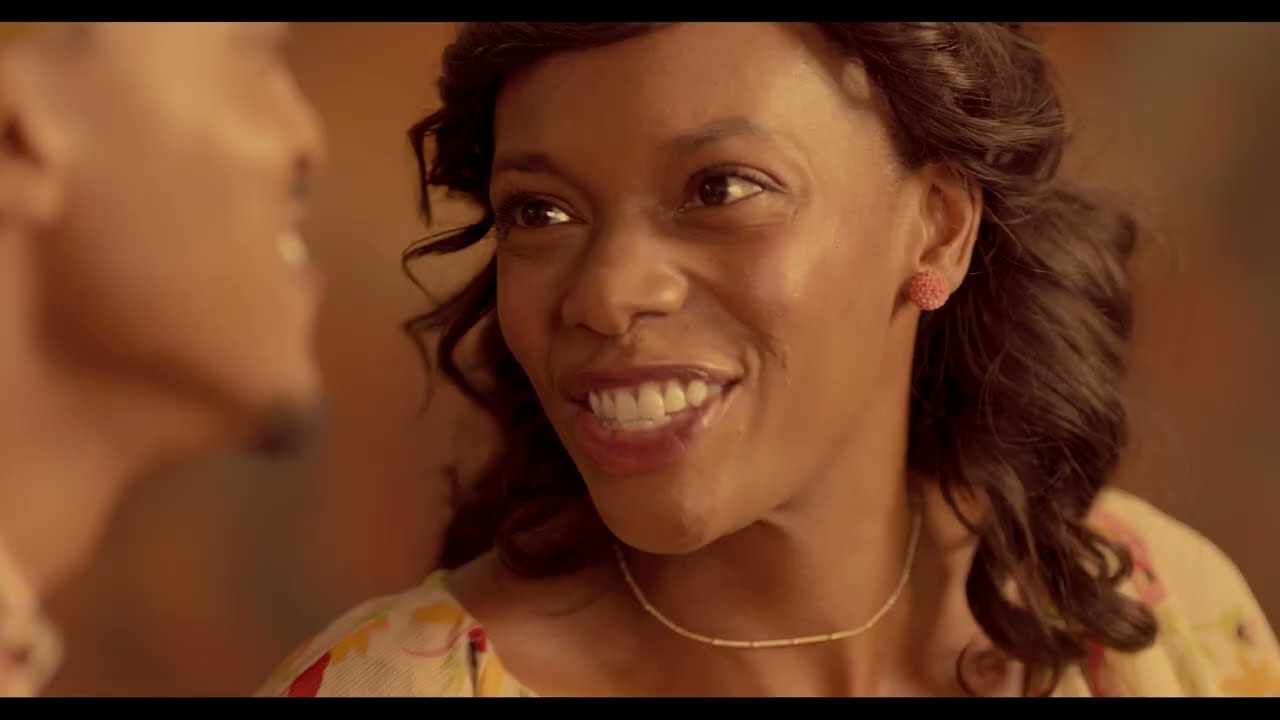
The script includes other directions that Hurston left up to interpretation. In one moment, the script simply reads: “Conjure scene can not be fully put on paper. Must be done in direction,” per the Times. Even so, Spunk director Tamilla Woodard says that everything she needed to bring the story to life was in the text.
“Our mission was to trust Zora,” Woodard says in a Yale Repertory Theater video. “Everything we needed was in the play. If we missed it, we missed it. She’s telling us how and what to do.”