/https://tf-cmsv2-smithsonianmag-media.s3.amazonaws.com/filer_public/72/a7/72a72f4e-10f9-4571-bc5c-094beca2ee27/k2_7_tobias_buettel_dominanz.jpg)
See 15 Stunning Images That Won the German Society for Nature Photography’s Annual Contest
From a lunging frog to the majestic movements of penguins, the honored photographs capture the wonder of wildlife and beauty of natural landscapes
:focal(750x500:751x501)/https://tf-cmsv2-smithsonianmag-media.s3.amazonaws.com/filer_public/72/a7/72a72f4e-10f9-4571-bc5c-094beca2ee27/k2_7_tobias_buettel_dominanz.jpg)
Standing on a rugged slope in the Swiss Alps, Luca Lorenz stared out at a frigid world of drifting snow and rock hollows, which offered small respite from the wind to any animals that might find them. In one of these alcoves, he spotted a creature so seamlessly matched to the environment that it could easily go unnoticed. This was the 20-year-old photographer’s first glimpse of a mountain hare.
Lorenz was with two friends, and they paused for a while, watching the hare sit nearly motionless against the snowy backdrop that all but obscured it from view.
“Using a long exposure combined with intentional camera movement, I sought to capture the animal’s visual fusion with the landscape,” the photographer says in a statement. “Is it not astonishing and beautiful that such a delicate animal can thrive for months in an environment defined by rock, ice and snow?”
Lorenz’s resulting image won the grand prize in an annual competition for members of the German Society for Nature Photography (GDT). This year, nearly 9,000 photographs were submitted by 546 society members, who represented 15 countries. A jury of photographers narrowed down the options, then put that selection of images to a vote among GDT members.
/https://tf-cmsv2-smithsonianmag-media.s3.amazonaws.com/filer_public/64/7e/647ef0cf-8bb9-48f1-9a2f-2a9726ec42fb/k2_1_luca_lorenz_schneehase_in_den_alpen.jpg)
The contest has seven categories, including a new one this year that highlights biodiversity. All the photographs fall in line with the society’s mission, which “demands and supports nature photography that embraces authenticity, true conservation and artistic quality to the same degree,” according to the GDT’s website.
With his image, Lorenz is calling attention to the threats that climate change brings to mountain hares, also called alpine hares. The mammals’ coats change color to be white in the winter and brown during the rest of the year—a handy adaptation for blending into their surroundings. But as warming conditions delay the first snowfall, reduce snow coverage and cause snow to melt early, some hares are now sporting their white winter looks in a landscape that’s green. Likewise, if snow falls late, a brown hare will stand out.
Scientists note that this camouflage mismatch can leave the hares more vulnerable to predators. And the problem is not unique to the Alps—scientists have tracked this phenomenon across hare species in Norway, Scotland and North America.
Key context: Color mismatch in hares
- The implications for mismatched hares may not be straightforward. A study in Yukon, Canada, found that snowshoe hares with white fur in the fall had a lower mortality risk compared with their brown counterparts, potentially due to their reduced metabolic rates and other winter adaptations.
- But researchers note that future climate changes could make mismatched coats even more risky.
Temperatures in the Alps are rising twice as quickly as the global average, driving other changes in the animals’ habitat. A 2018 study of mountain hares in the Swiss Alps predicted that they would experience a habitat loss of up to 45 percent by 2100 under a strong warming scenario.
Given the challenges facing mountain hares, Lorenz says in the statement, “raising awareness and supporting research into these extraordinary animals is more important than ever.”
“It means [a] great deal to me that an image of such an unassuming species can draw so much attention,” he adds.
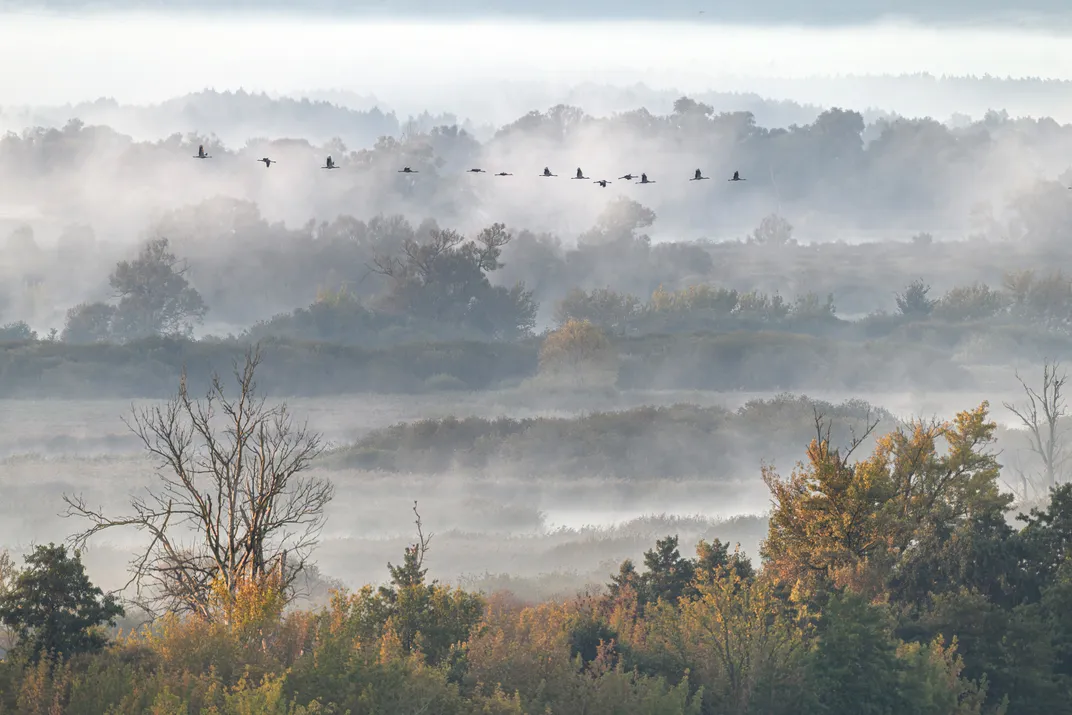
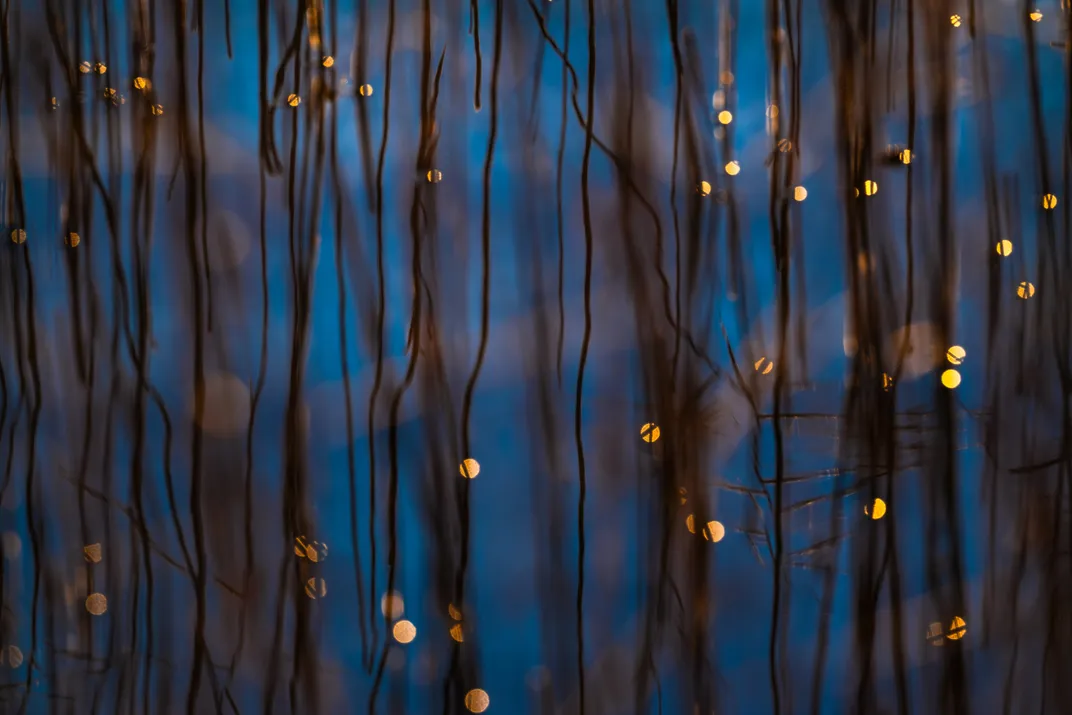
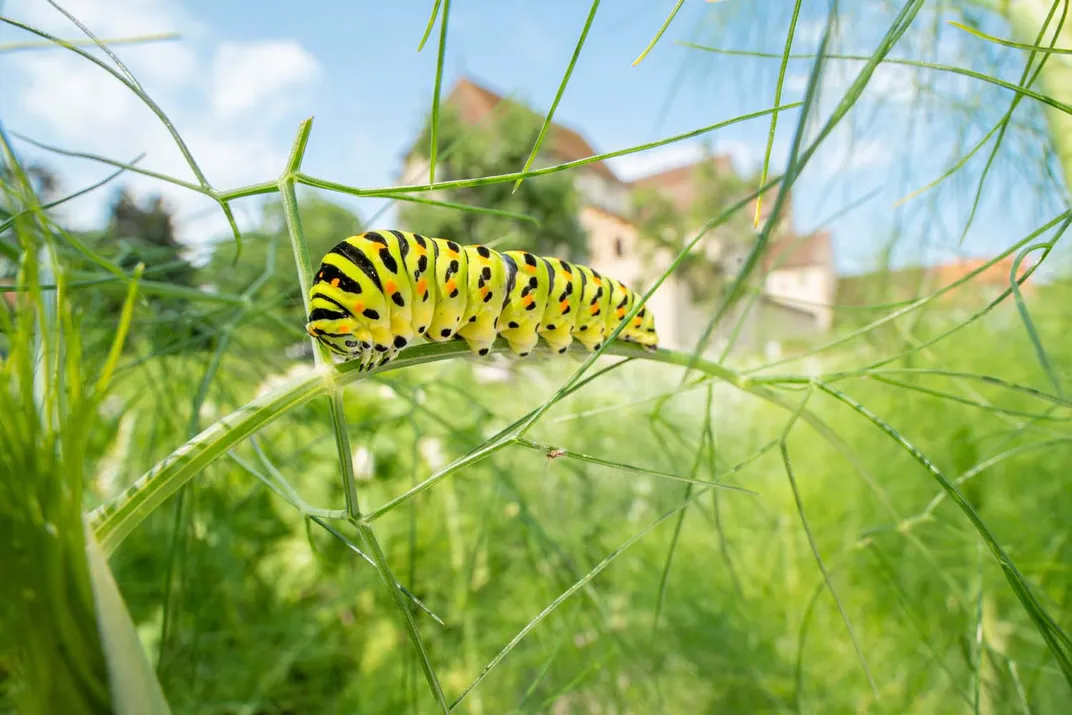
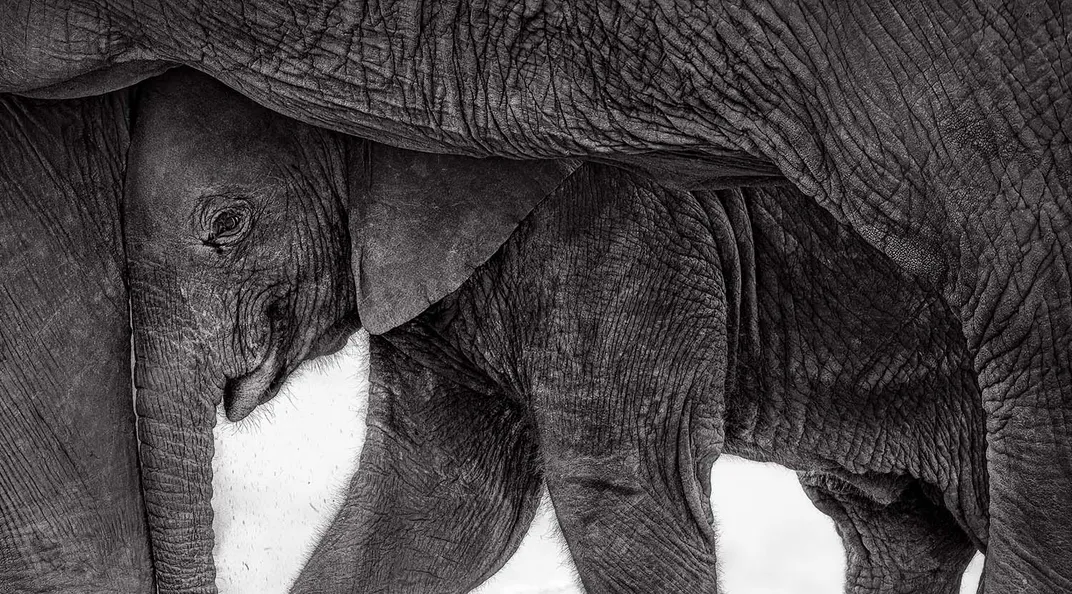
Here’s a selection of the images that were honored in the contest, from clashing ibexes to a rare carnivorous pollinator.
/https://tf-cmsv2-smithsonianmag-media.s3.amazonaws.com/filer_public/29/a0/29a04f16-4653-4ec9-8b3d-9ee9ef39547d/k1_4_jenny_loreen_zierold_schuhschnabel.jpg)
/https://tf-cmsv2-smithsonianmag-media.s3.amazonaws.com/filer_public/20/cc/20ccc967-2337-4b1b-be10-af22a9f5420d/k3_1_jens_cullmann_uebung_macht_den_meister.jpg)
/https://tf-cmsv2-smithsonianmag-media.s3.amazonaws.com/filer_public/a9/aa/a9aaa002-3d27-4787-943e-1b896598d2d5/k7_2_amit_eshel_alte_gegner.jpg)