

Global Feasts We’re Thankful For
Americans might have dibs on Thanksgiving, but from Peru to New Zealand, cultures around the world have their own enduring food traditions designed to celebrate heritage and bring people together.
Shutterstock
Thanksgiving is just one food tradition rich in history and togetherness. Spin the globe and pick your palate: the world is a smorgasbord of celebratory meals that come with a hearty side of community. From a Dutch rice table to a pachamancacooked underground in Peru, learn about culinary rituals from around the world that bring people together.
Rijsttafel: An Indonesian Feast...Eaten in the Netherlands
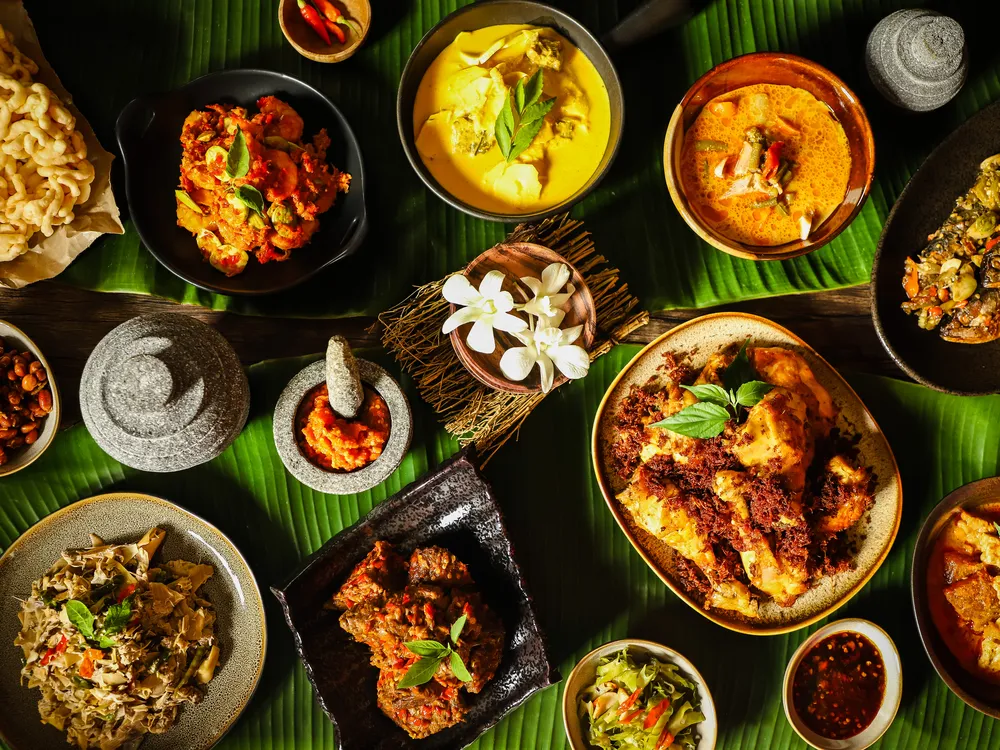
The Dutch rijsttafel (“rice table”) goes against the grain of what you might expect from a traditional meal in the Netherlands. A large mound of rice surrounded by up to 40 (or more!) Indonesian dishes, this elaborate feast emerged from the country’s colonial era, when the headquarters of the powerful Dutch East India Company was located on the Southeast Asian archipelago. Rice table dishes hail from across Indonesia and typically include a range of sweet, savory, and spicy small plates—beef curry; an array of sambas (chili pastes); salad with peanut sauce; and other vegetable, fish, and meat dishes. For Dutch colonists, serving an abundance of dishes exemplified their empire’s vast wealth and reach. Today the communal dining tradition celebrates cross-cultural exchange and the diversity of Dutch heritage.
Hangi: A Good Hang, New Zealand Style
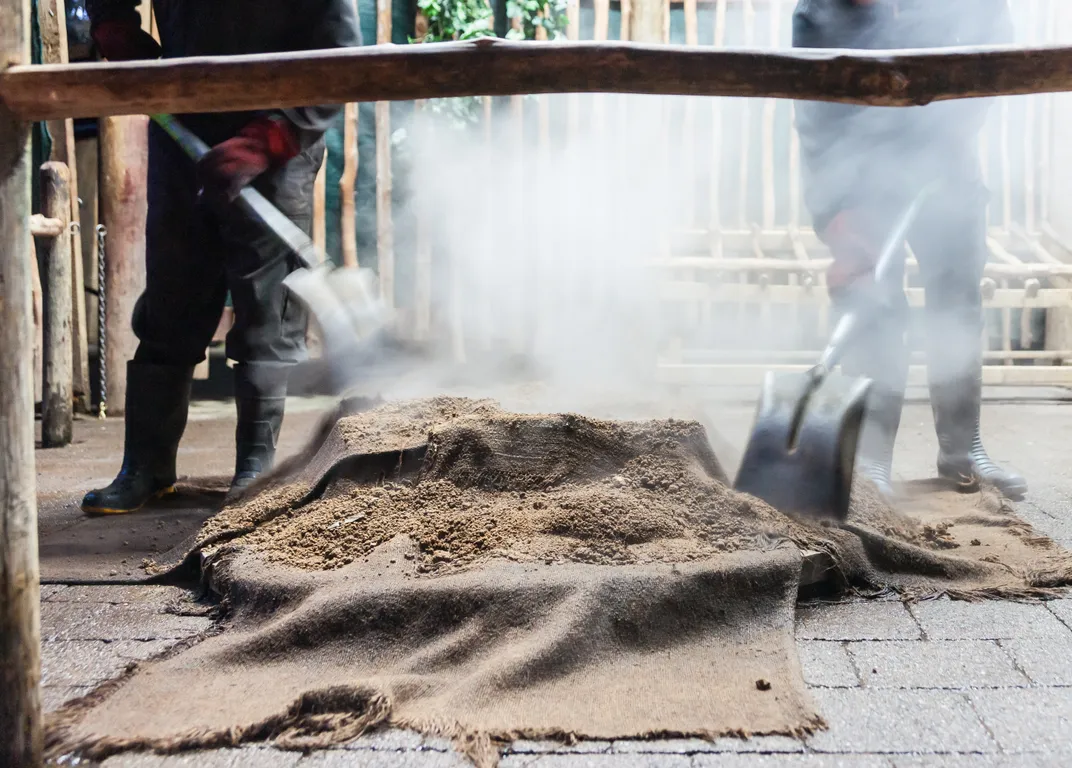
The centerpiece of New Zealand’s hangi is the Māori principle of manaakitanga, a spirit of hospitality rooted in mutual respect—and good eating. In a hangi feast, meats and vegetables are slowly cooked underground in an earthen oven, a traditional method that the Polynesian ancestors of the Māori people brought to New Zealand when they migrated to its shores seven centuries ago.
Hosts first dig an underground pit and gather firewood and volcanic stones to build a fire inside it. Ingredients for the feast often include mutton and sweet potato alongside chicken, fresh seafood, and cabbage or watercress, all wrapped in flax leaves or—more common in modern times—placed in wire baskets. Once the fire has heated the stones, these components are layered in the pit and covered with a wet cloth and scoop of dirt to trap in the heat, which slowly steams the food over several hours.
Asado: Cowboy Cuisine in Patagonia
Calling all backyard BBQ masters: this grilling experience comes with a gourd of yerba mate tea (and maybe some full-bodied red wine). The Argentine asado has its roots in gaucho heritage, dating to the days of rugged horsemen roaming the grassy pampas alongside herds of wild cattle. Gathered around an open fire, they would roast beef slowly on a skewered apparatus called an asador. Today’s asado tradition remains slow-paced and convivial, punctuated by rounds of applause for the meal’s patient cook. In the words of Argentine chef and author Francis Mallmann, “Grilling in Argentina isn’t just about the food. It is a ritual and a ceremony.”
Kaiseki: Elaborate Coursework in Japan
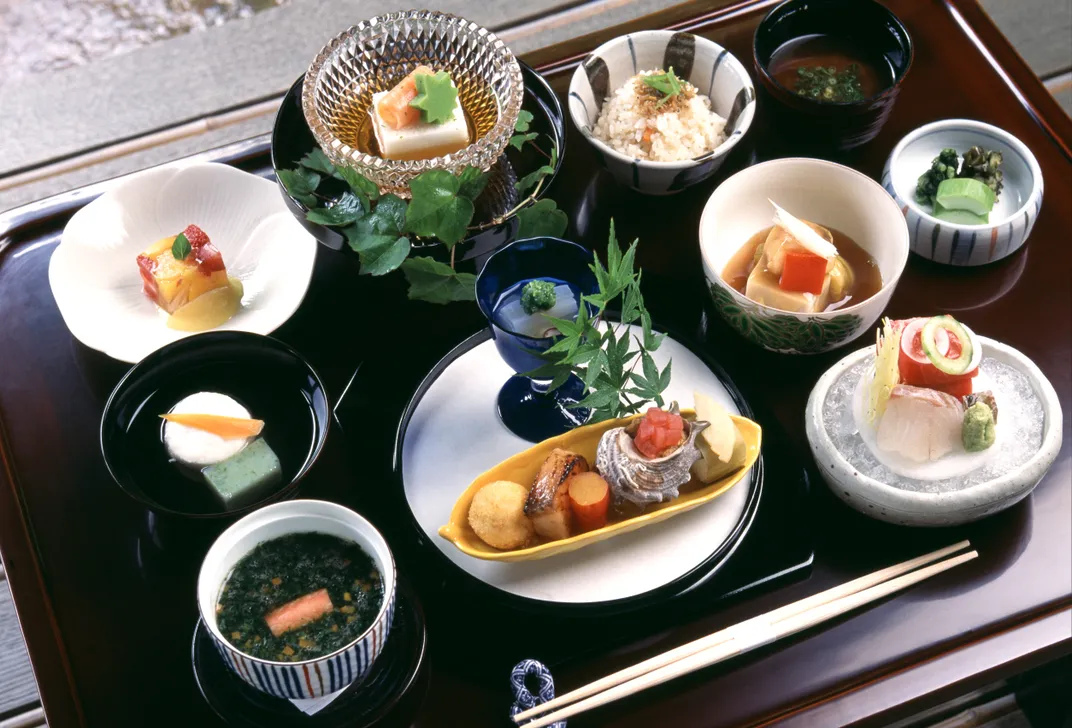
Japan’s UNESCO-recognized food culture, known as washoku, encompasses a range of traditions as delicious as they are meticulous. Perhaps none is more refined than kaiseki, a series of small, often bite-size courses that celebrate the season, served at a pace that encourages savoring every detail. Following time-honored rituals, each dish is artfully presented: from dried and fermented specialties such as squid or jellyfish to grilled wagyu beef, simmered vegetables, soup, deep-fried tempura, and dessert.
No two kaiseki meals are the same, and the origins of this tradition also diverge. One is a light, simple meal named for the warm stone that 16th-century Zen monks carried in their robes for comfort as they fasted. The other evokes the extravagant banquets popularized by the Heian imperial court, which flourished from the eighth to the 12th centuries.
Alcatra: Clay Pot Secrets in the Azores
On the volcanic island of Terceira, part of the Azores archipelago, local residents have perfected their recipe for alcatra, a rich beef stew. An essential ingredient is the traditional, unglazed clay pot in which smoked bacon and beef, red wine, and aromatics slowly simmer for hours inside a wood-fired oven. The dish emerged in the 16th century as a traditional shared meal during the islands’ all-important Holy Spirit festivals, and went on to appear on royal tables, such as during a 1901 visit to the island by King Carlos I and Queen Amélie of Portugal. While it began as a communal feast, alcatra is now also a family tradition, with secret recipes passed down through the generations.
Pachamanca: Mother (Earth) Does the Cooking in Peru
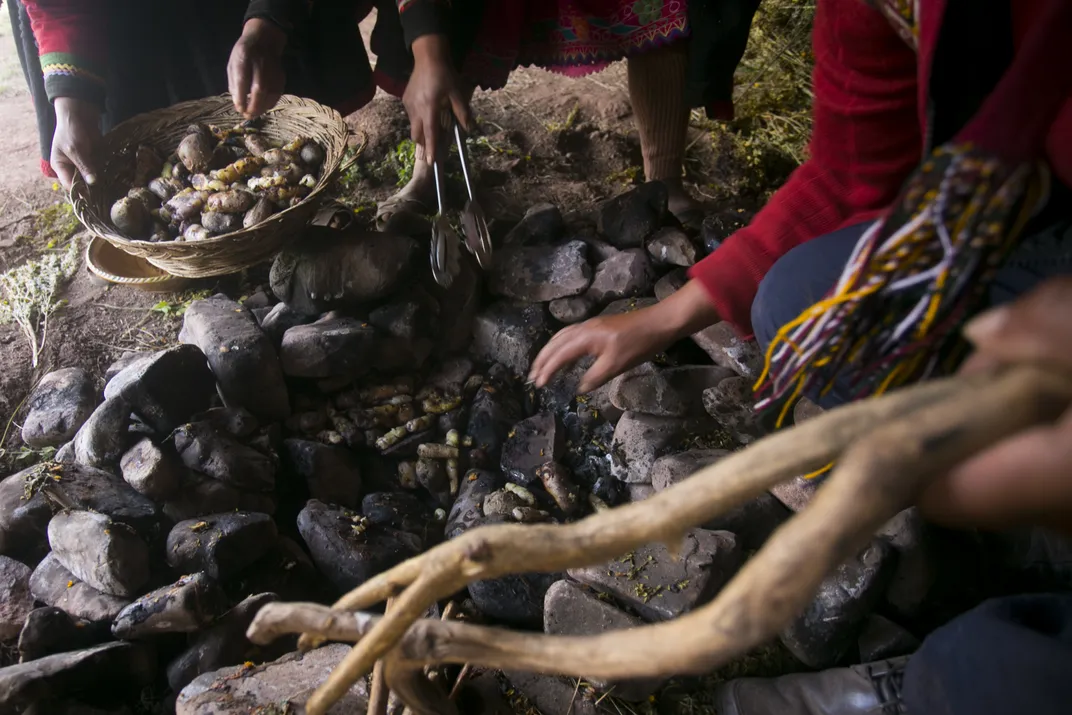
In the Andes of Peru, cooking for a crowd is an earthy affair—and methods haven’t changed much since the pre-Inca era. Pachamanca—“earthen pot” in the indigenous Quechua language—involves slowly cooking marinated meats and vegetables over heated stones in an underground pit. Prepared communally, the ancestral tradition carries out the Quechua value of ayni, or reciprocity, in a symbolic act of returning gifts to Mother Earth. Each ingredient is chosen for its meaning—the heated stones in tribute to the sun god, corn and native tubers for abundance, and an array of meats to honor the diversity of the animal kingdom. Finally, the careful layering of ingredients and native herbs, such as huacatay(Peruvian black mint), pay homage to life’s interdependence. Since 2015, the first Sunday in February has been celebrated as National Pachamanca Day across Peru.
Braai: Firing up Community Spirit in South Africa
Each of the 11 official languages in South Africa claim a unique word for braai, the Afrikaans term for the country’s tradition of grilling food over an open flame. The sauces and sides vary by region but the motive is the same: gathering to share cultural heritage and food. In fact, South Africa’s history of cooking over fire predates our species. In 2012 scientists unearthed the world’s earliest evidence of fire use in South Africa’s Wonderwerk Cave near the Kalahari desert. The burned bone fragments and plant ash they found trace back nearly two million years. In more recent history, Archbishop Emeritus Desmond Tutu recommended the braai as a perfect way to celebrate community on South Africa’s Heritage Day, saying, “We do this thing together.”
Food Traditions to Bring Home
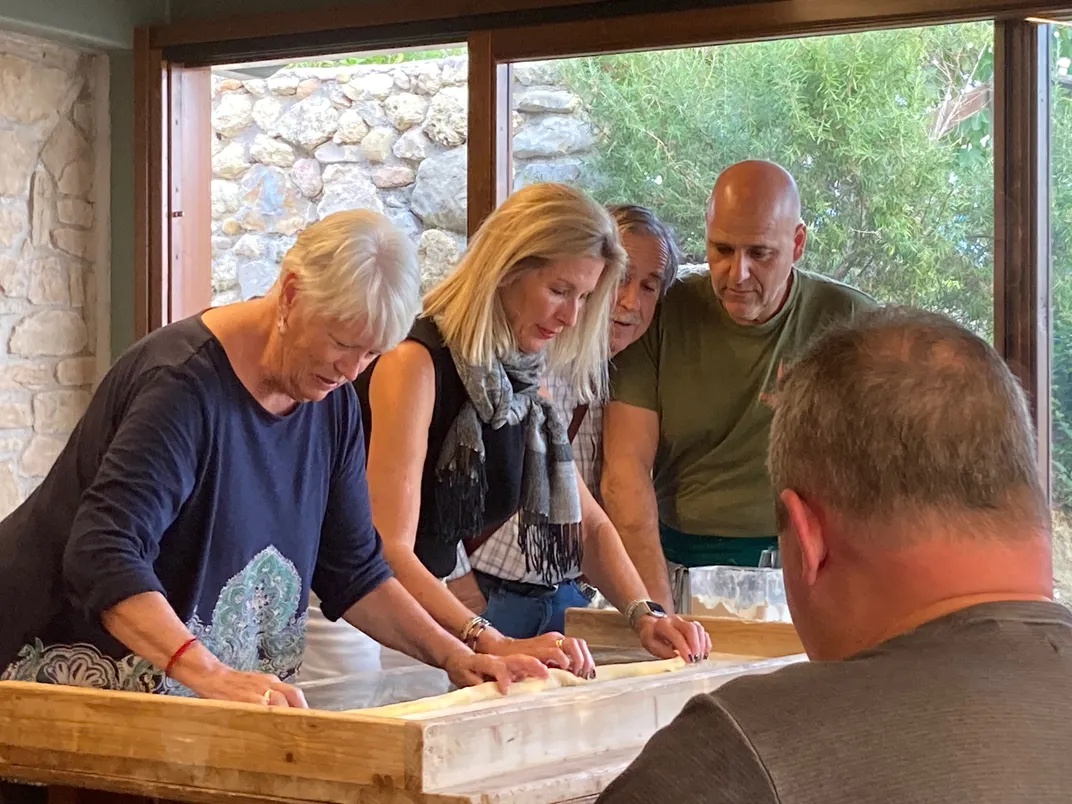
Travel can expand the horizons of your own kitchen, and many Smithsonian Journeys feature hands-on cooking lessons that can add global appeal to your repertoire. Imagine treating guests to aromatic Spanish paella instead of the same old casserole, substituting Thanksgiving dinner rolls for flaky Maltese pastizzi, or making Italian pasta from scratch in lieu of boiling an uninspired box of noodles. And if you know how to concoct Peruvian ceviche, you can probably forget that holiday cheese ball.
Whether you’re learning to cook Thai dishes in Bangkok or gathering around a tagine with a Moroccan family, food not only sates and delights, it unites people across cultures and generations.