Six Fish These Small, Sound-Emitting Tags Are Helping Save
Scientists are tracking animals underwater with “acoustic telemetry” tags—and their discoveries are changing how we protect them.
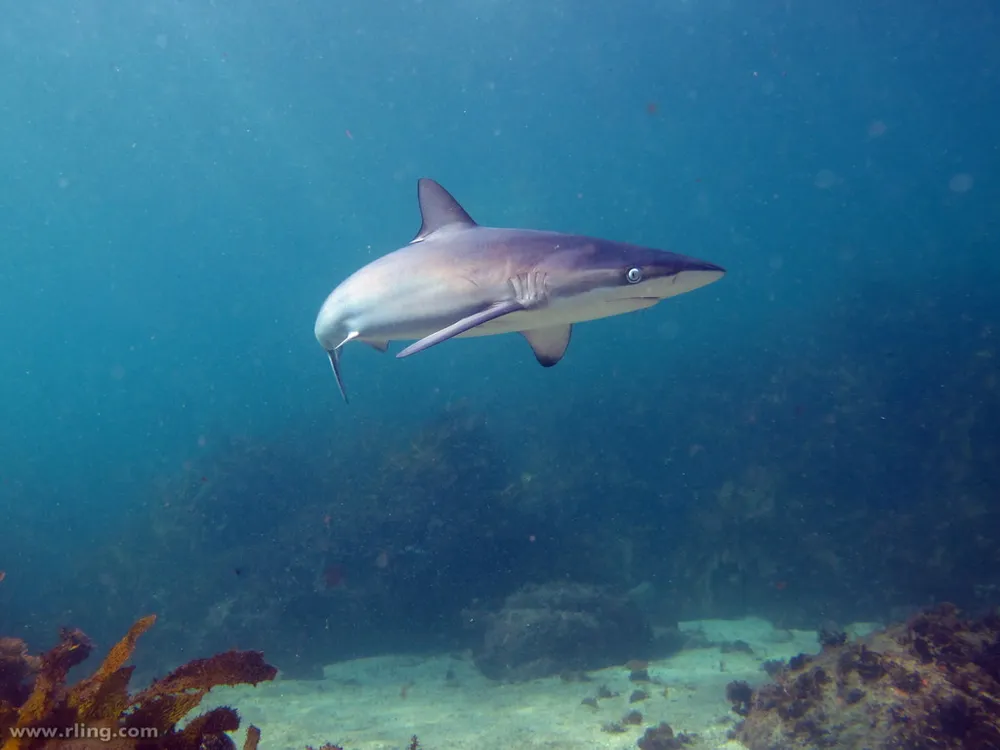
An app tells beachgoers in Massachusetts and Maine if a shark has entered the area. Fishermen in Delaware check their phones to avoid accidentally catching endangered Atlantic sturgeon. Dwindling American shad, once cut off from their spawning grounds by dams, are returning in droves.
Each of these stories became possible in part because of tiny “acoustic telemetry” tags and a vast network of researchers deploying them along the East Coast of the U.S. With acoustic telemetry technology, each tag emits a unique, ultrasonic “ping.” Along the Eastern seaboard, thousands of electronic receivers are listening for those pings, ready to detect any tagged animal that swims within about half a kilometer.
Researchers in the Atlantic Cooperative Telemetry Network, or “ACT” for short, have been tagging animals for over two decades. Now managed by the Smithsonian Environmental Research Center, the network unites scientists from over 120 organizations from Maine to North Carolina. Together, they’ve tagged more than 17,000 animals and 92 species. By sharing data from all of their receivers, they’re making discoveries about animal movement no single team could have made on their own.
“Many fish migrate long distances,” says Matt Ogburn, a senior scientist at the Smithsonian Environmental Research Center (SERC). “The ACT Network supports researchers by making it easy and efficient to exchange data across projects as the fish they tagged move along the coast or even across oceans.”
This fall the network published a new paper, its first to highlight how acoustic telemetry is shaping real-world conservation. From sturgeon to sharks (a lot of sharks), here are six fish the ACT scientists and their tags are helping preserve.
Atlantic Sturgeon
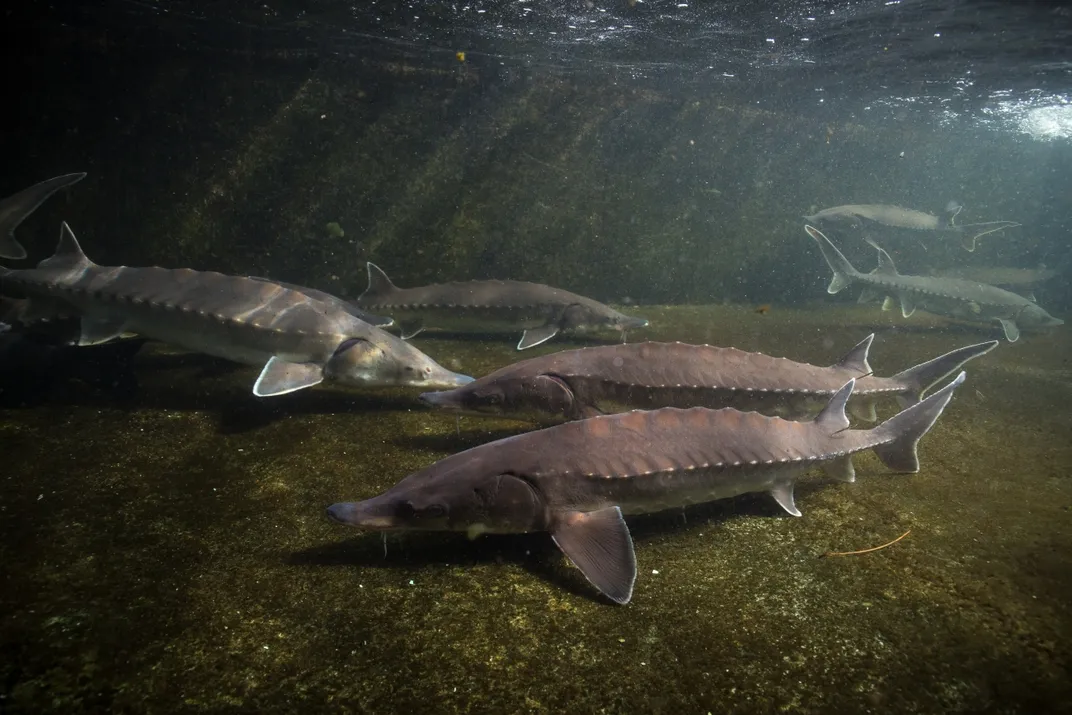
Sturgeon have sustained communities in the Mid-Atlantic for thousands of years. They’ve received credit for saving the Jamestown settlers from starvation in 1607. In the late 1800s, caviar-hungry entrepreneurs harvested their eggs as part of the “Black Gold Rush.” But today, every Atlantic sturgeon population in the U.S. is either endangered or threatened. A coastwide ban on fishing them has been in place since 1998.
Atlantic sturgeon were also the first fish that ACT network researchers tracked, and they’ve tagged over 1,300 to date. The tags helped identify critical sturgeon habitat, including parts of Marshyhope Creek and the Nanticoke River in Maryland. In 2022, in response to science and public pressure, developers relocated a proposed salmon aquaculture plant that would have threatened the sturgeons’ spawning ground on the Marshyhope. Other ACT researchers have used tag data to create an app for fishermen in Delaware, where sturgeon are known to congregate seasonally. The app provides 3-day forecasts for where sturgeon are likely to appear, so fishers can avoid unintentionally ensnaring them. The researchers are working to expand the model to other areas of the Eastern seaboard.
Dusky Sharks
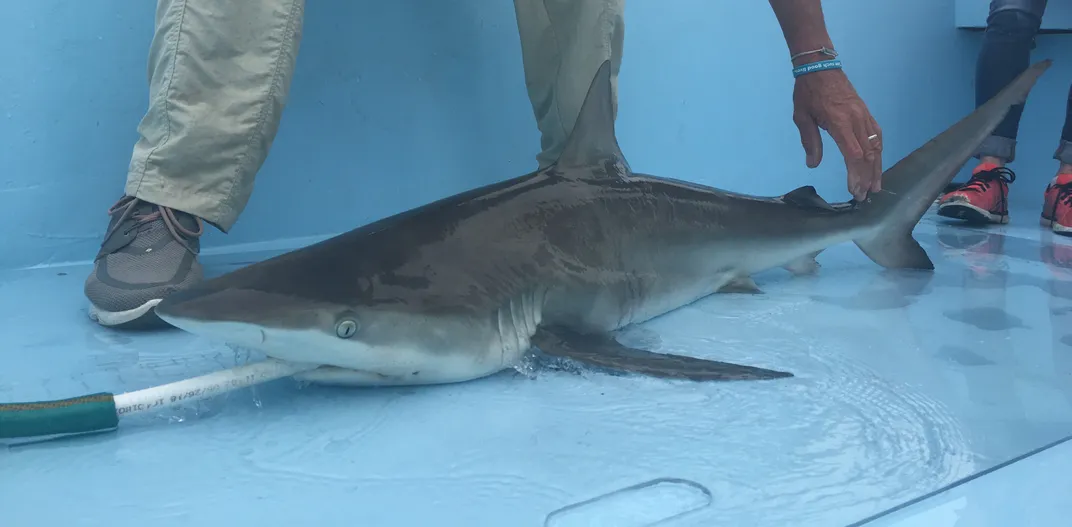
When overfishing in the late 20th-century wiped out between 65% and 90% of the Mid-Atlantic’s dusky sharks, managers banned intentionally fishing them. They also created a protected zone off the North Carolina coast, where longline fishing that can ensnare duskies is forbidden: The catch: It’s only protected seven months out of the year.
In 2020, former SERC postdoc Chuck Bangley and SERC’s Fisheries Conservation Lab discovered the refuge may be out of sync. The refuge protects sharks from January through July, when managers thought dusky sharks are most likely to migrate. But by tagging nearly two dozen dusky sharks, the team discovered dusky sharks actually migrate through the zone from November through May, leaving them vulnerable to longline snares in November and December. In response, the National Marine Fisheries Service changed the timing of the zone’s protected status in 2026 to November 1 through May 31, to better line up with dusky shark migrations.
Northwest Atlantic White Sharks
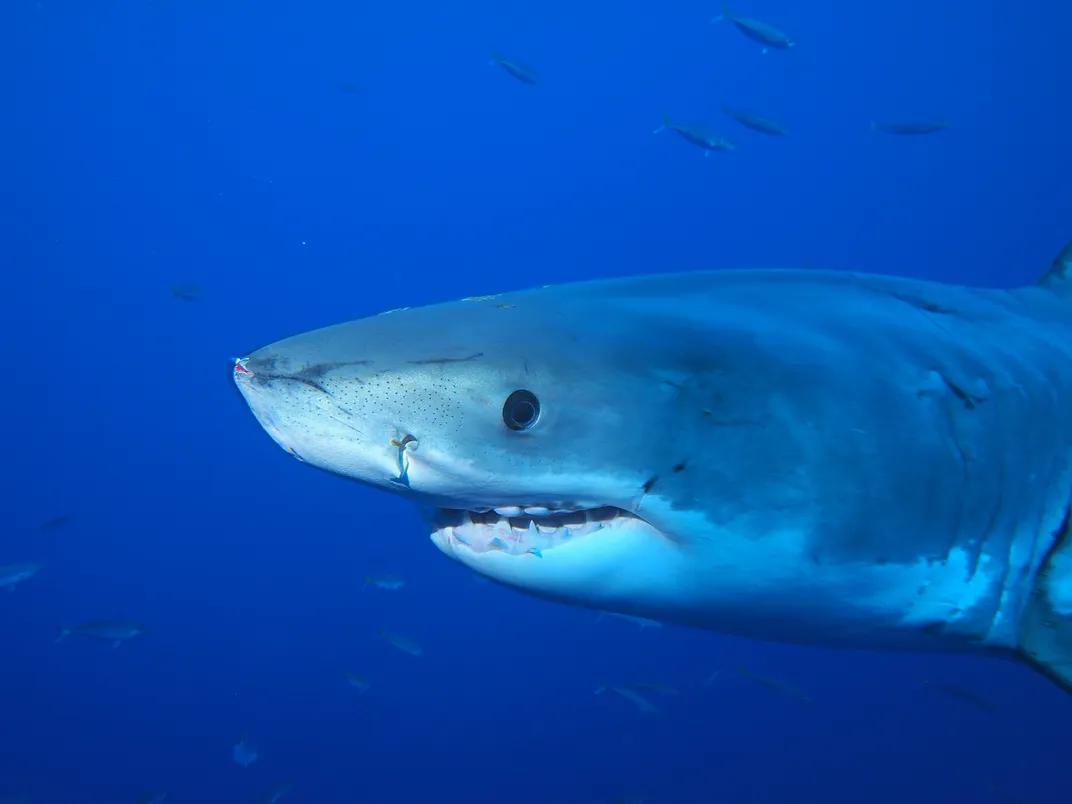
Every summer locals and tourists flock to the beaches of Cape Cod, Massachusetts. In the last 15 years, it’s become a popular site for white sharks as well—a sign that their populations are recovering after decades of trophy hunting. But this also means human-shark encounters are on the rise. Since 2012, the region has seen five unprovoked attacks on humans, including one death.
To bolster public awareness and encourage risk-avoidance behavior, local managers are relying on data from 350 white sharks with ACT network tags. Massachusetts has also deployed five real-time receivers off popular beaches in summer and fall. Whenever one of the receivers detects a tagged white shark, it immediately sends text and email notices to scientists and safety officials. Maine followed suit after a fatal shark encounter in 2020. Today, both states make shark detections available to the public through the Sharktivity app.
Striped Bass (Rockfish)
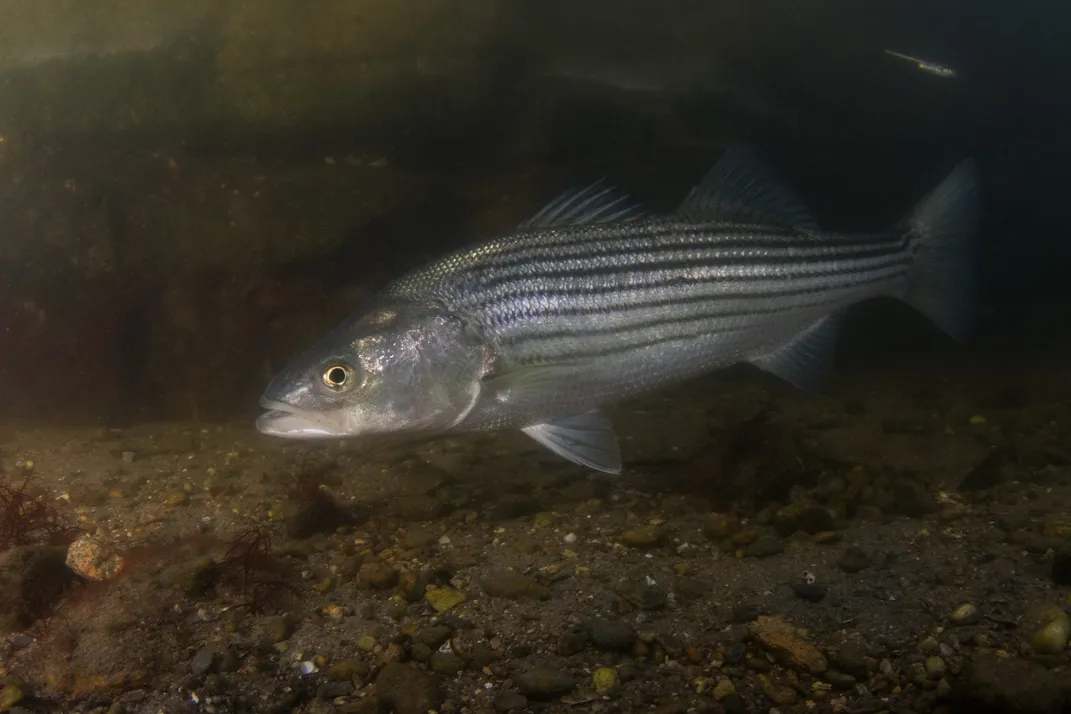
Striped bass, also called “rockfish” or “striper,” is one of the most popular sportfish in Chesapeake Bay. It’s also routinely on the edge of overfishing, so managers are constantly looking for more accurate ways to estimate their population numbers. They typically divide the fishery into two segments: a recreational fishery targeting larger individuals that migrate along the coast and a commercial and recreational fishery in bays and rivers for smaller individuals that aren’t old enough to migrate yet. A study using acoustic telemetry tags pinpointed the size when that migration to coastal waters is more likely to happen: 80 centimeters long. That knowledge is helping managers better predict striped bass survival in both regions and develop strategies to keep the fishery sustainable.
Sand Tiger Sharks
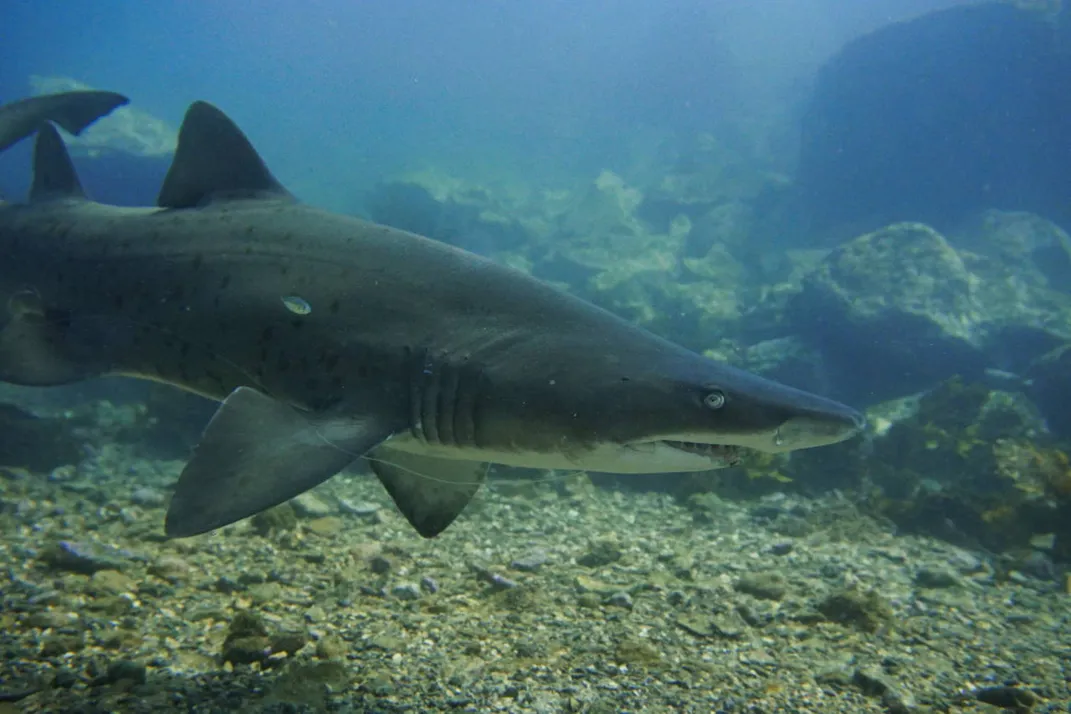
Critically endangered on the IUCN Red List, sand tiger sharks are now protected in many parts of the world. This includes the U.S., where they were once fished commercially. But as large migratory animals, designating zones of protection is always a moving target. Even though it’s illegal to intentionally catch and kill a sand tiger, they can become accidentally ensnared in longlines.
By tagging dozens of sand tiger sharks, scientists have been able to pinpoint seasonal nursery areas and track the migrations of young sharks in the first two years of their lives. Additional mapping efforts have led to the creation of new Habitat Areas of Particular Concern, a NOAA classification that opens the door for more attention and care.
American Shad
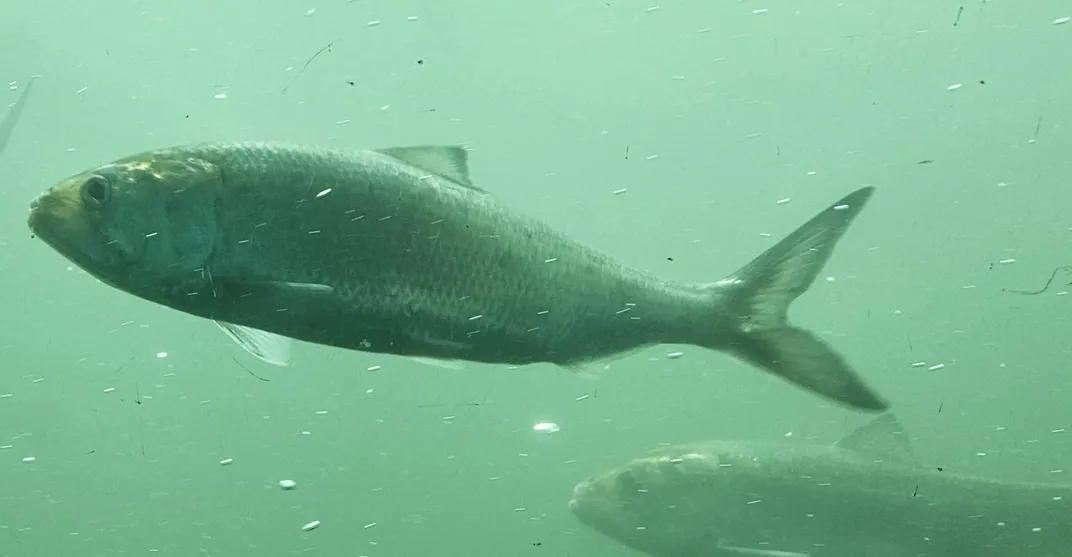
American shad are just one of several once-plentiful fish that suffered from a blitz of dam building in the early 1900s. Species like shad spend most of their lives in the ocean and then swim upstream in freshwater rivers every year to spawn. But on some rivers, dams have blocked their way for a century or more, and their populations dwindled as a result.
Today many states are removing dams, opening the way for the fish to return. When Delaware began removing dams on the Brandywine River, scientists in ACT tagged more than 40 shad to see if they were returning to their old haunts. When the data showed that the fish were moving further upstream, Delaware removed another dam in 2025 and now has plans to remove or provide fish passage through all 11 dams of the Brandywine River. These discoveries are lending support to how dam removal can help other fish that migrate between the river and the sea.
Want to learn about other species researchers in the ACT Network are tagging? Visit https://theactnetwork.com/spotlight/