These Photos Visualize the Legacy of Peter Spencer, Founder of America’s First Independent Black Church
The church was home to the August Quarterly Festival, still running 212 years later and collaborating this year with the Smithsonian Folklife Festival to honor the nation’s 250th anniversary.
:focal(600x400:601x401)/https://tf-cmsv2-smithsonianmag-media.s3.amazonaws.com/filer_public/86/2d/862de55f-0ef6-41cd-a0b4-fb85f1d54b4a/august-quarterly-1939-collage.jpg)
“Prayer and praise meetings, love feasts and communion services, sermons and class revivals, shoutings and singings of hallelujahs in the most fervid camp-meeting style go on uninterruptedly.”
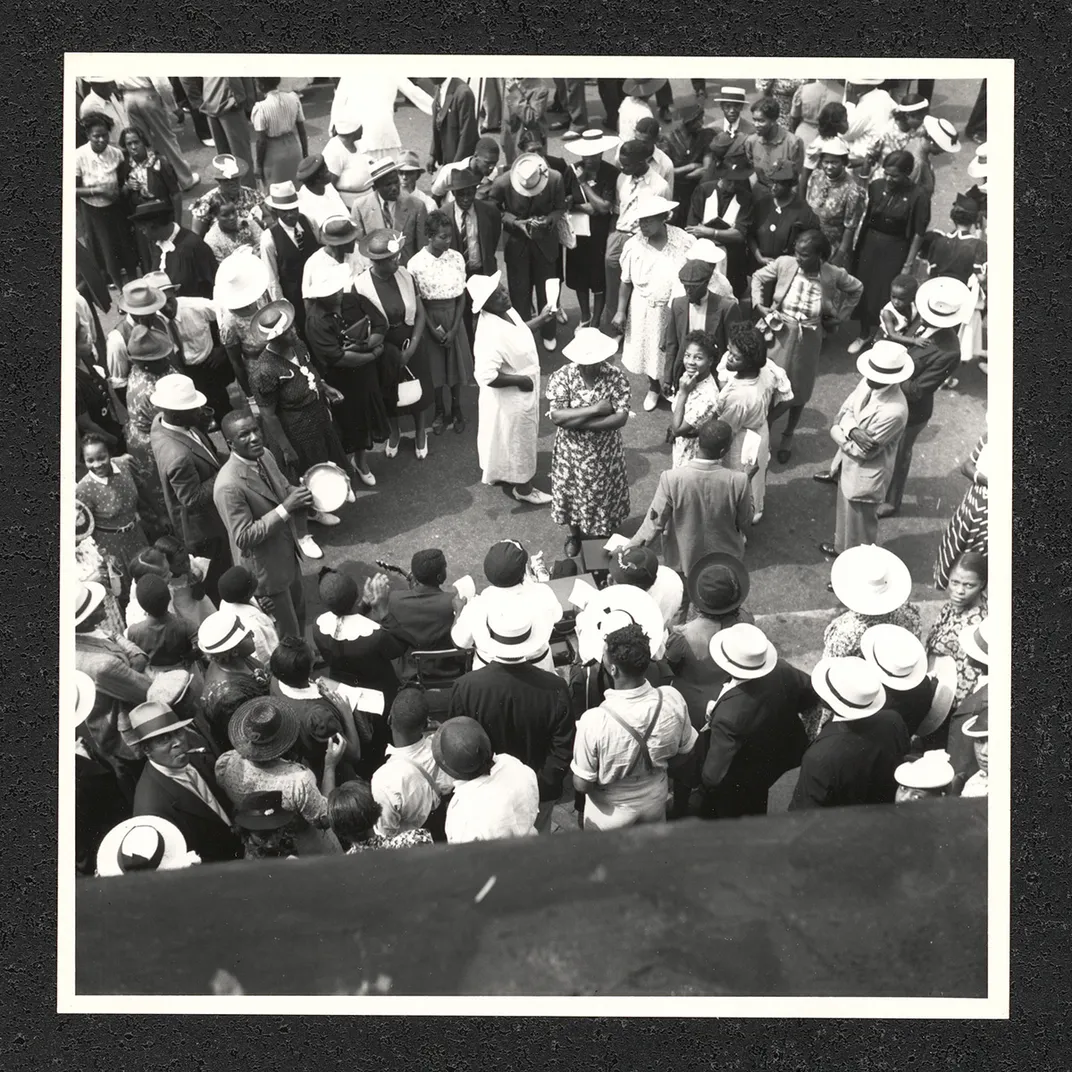
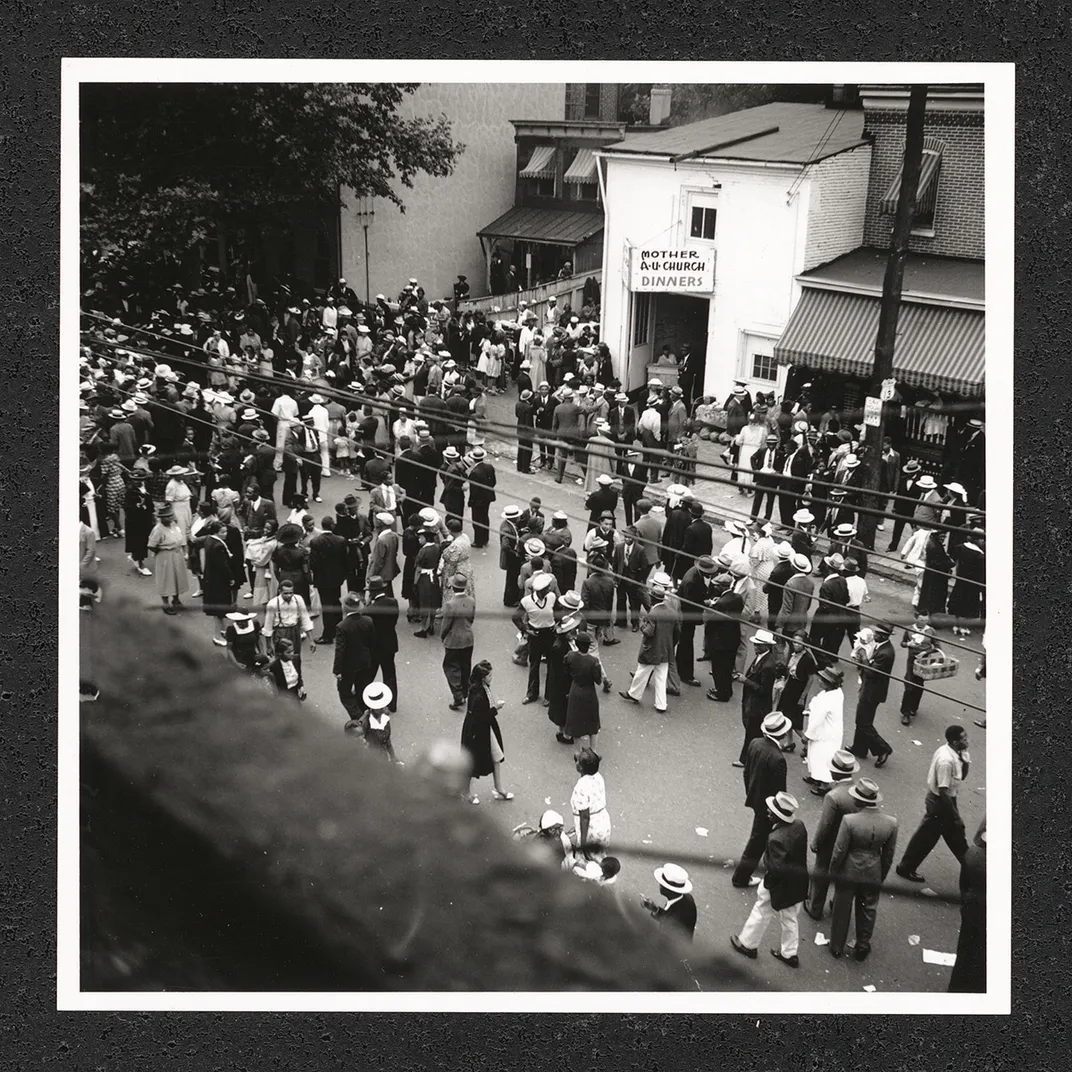
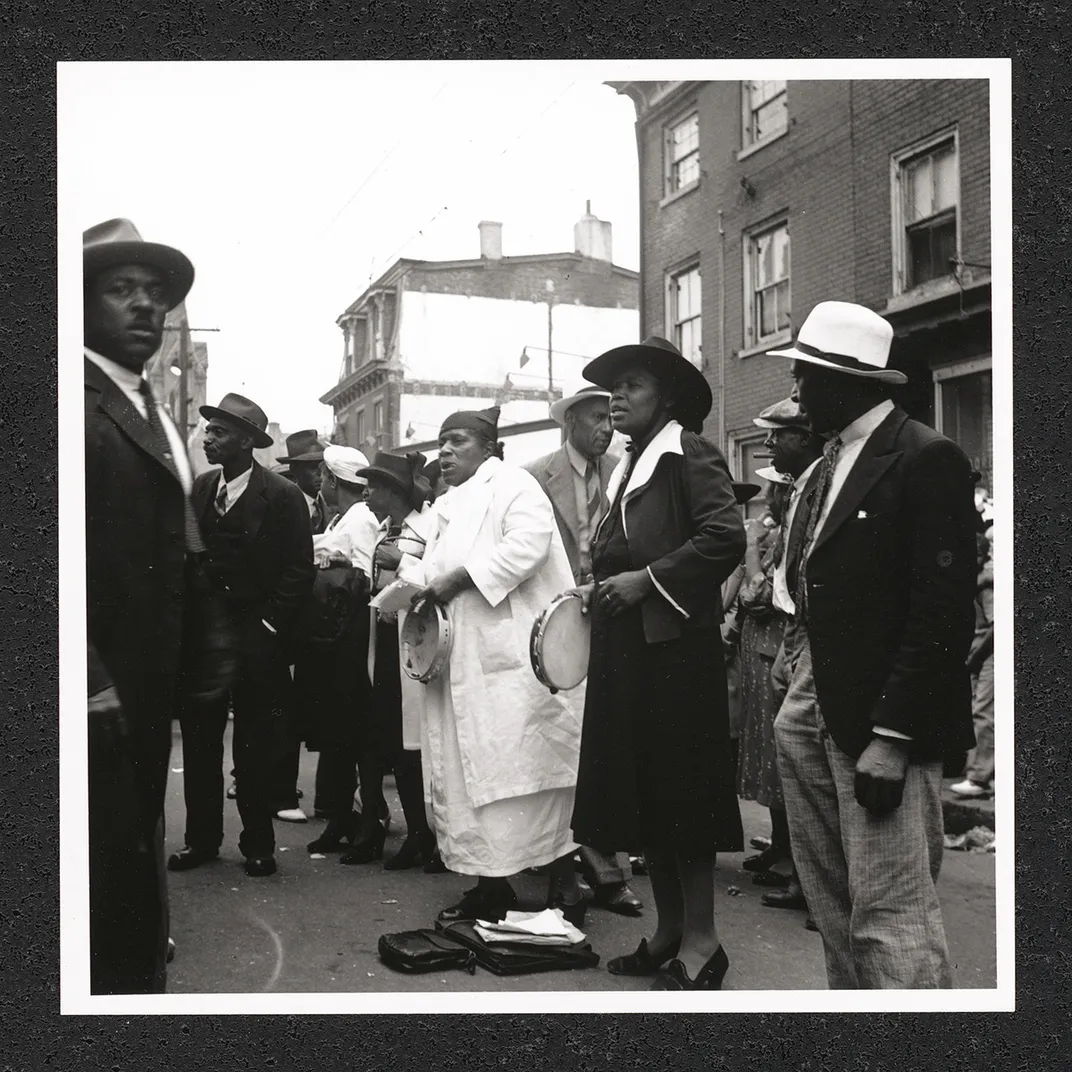
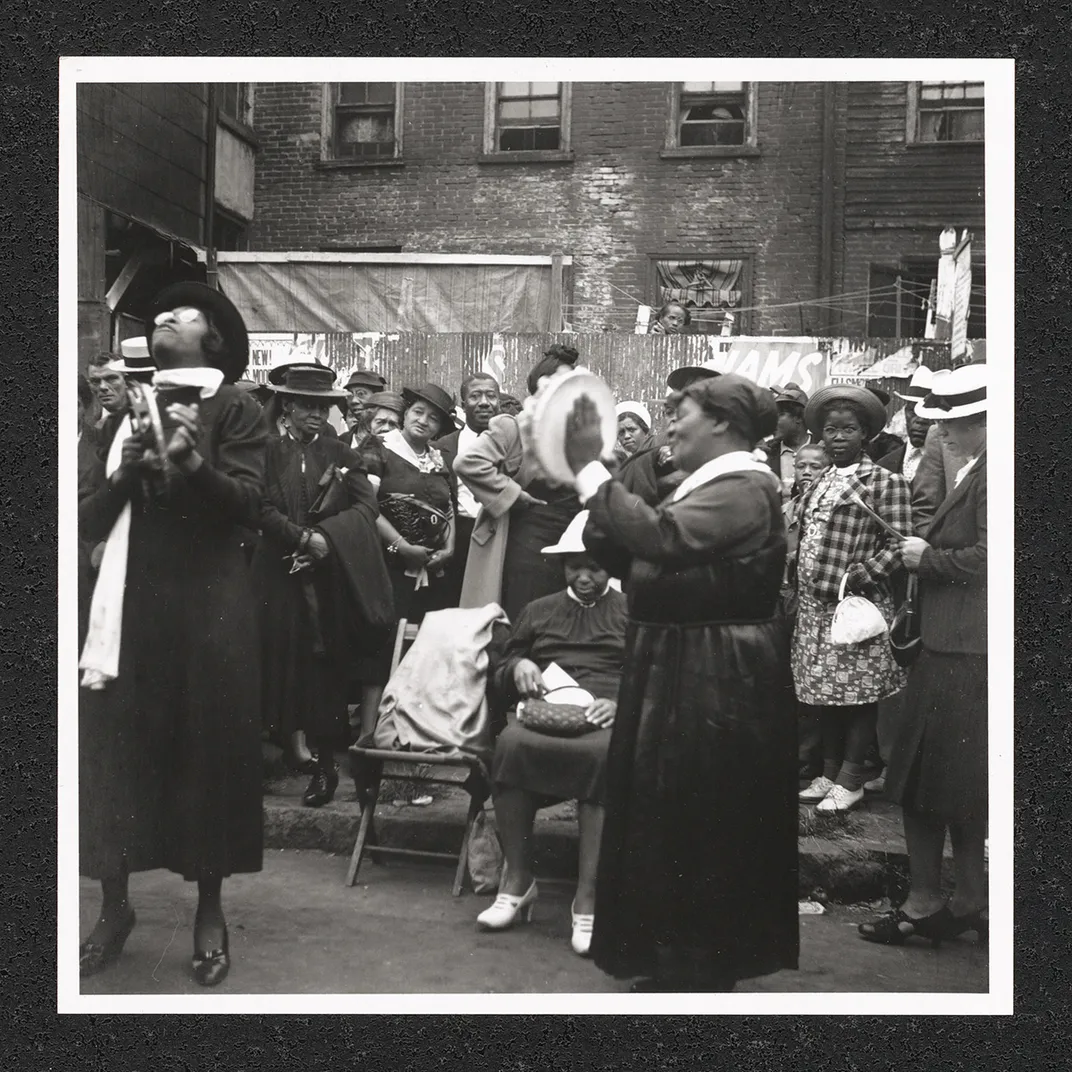
This 1932 quote from the Black writer Alice Dunbar-Nelson describes the August Quarterly Festival, a religious and cultural gathering for Black Episcopalian churchgoers hailing from and around Wilmington, Delaware.
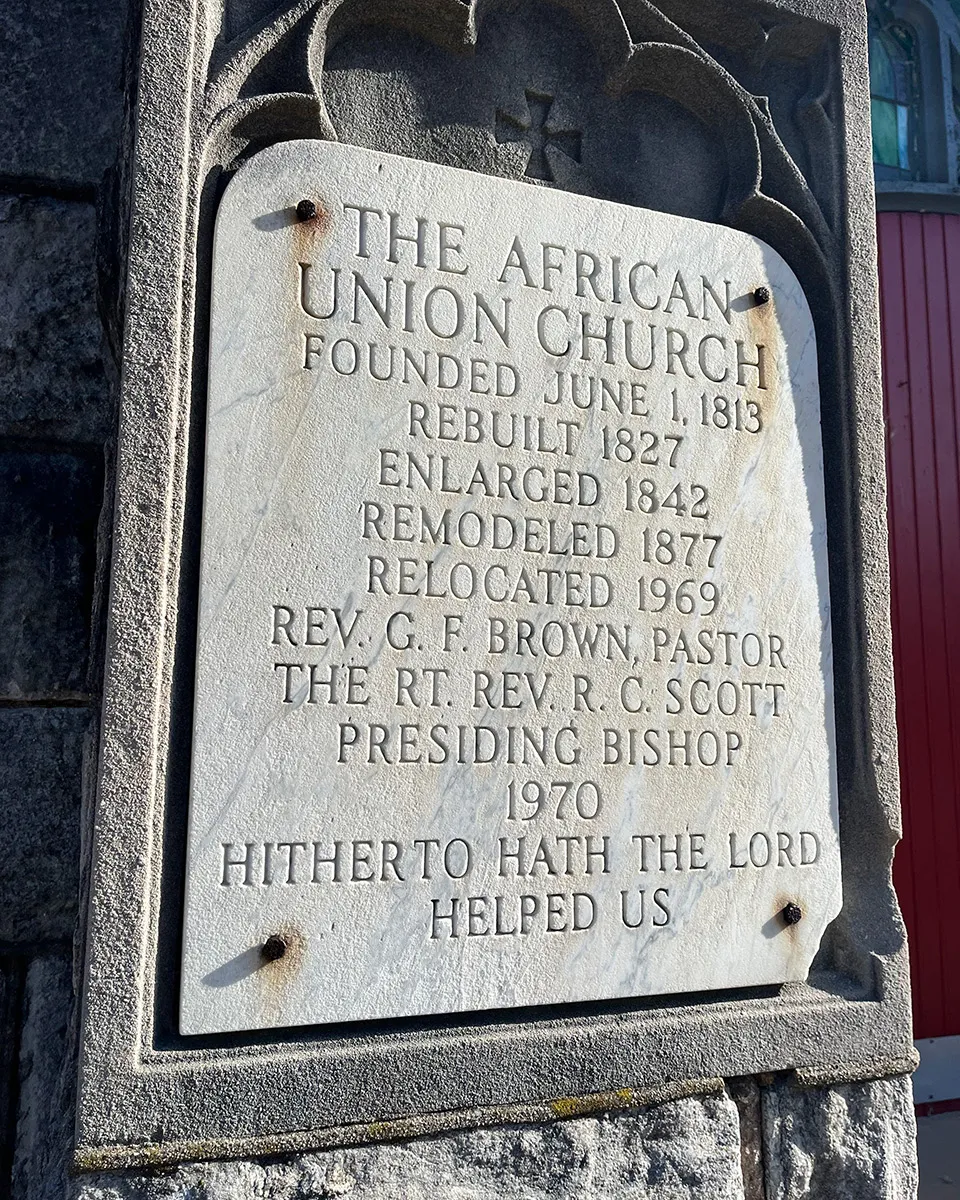
This year, the August Quarterly takes place from August 23 to 30 at various locations in Wilmington, including the Delaware Historical Society, Peter Spencer Plaza, and Harriet Tubman Riverfront Park. Sorrowfully, the Mother African Union Church, the usual site of services during the August Quarterly, experienced a devastating fire in May 2026. This church was the second iteration of the Mother African Union Church, as it had been moved to its current location on North Franklin Street in 1969 due to Wilmington’s efforts at urban renewal.
With a 212-year legacy, the August Quarterly holds the crown for the oldest festival among the thirty-four collaborators in Of the People: The Smithsonian Festival of Festivals. Founded by Peter Spencer (1782–1843) in 1814, fifty-one years before the 13th Amendment abolished slavery in the United States, the August Quarterly was a space for not only religious freedom but also freedom from enslavement. Spencer is often missing from historical records of nineteenth-century African American churches. However, he still lies at the heart of the festival, where his story is far from forgotten.
Born into slavery on a Maryland plantation in 1782, Spencer spent his life as a strategist for Black freedom and independence. Upon gaining his own freedom, he founded the Ezion Methodist Episcopal Church in Wilmington in 1805. The fact that Spencer began a church for Black people during a time when it was against the law for large groups of Black people to congregate is an extraordinary testament to his passion for liberation and religious freedom.
“People would come to Wilmington and plan future escapes” as part of the Underground Railroad, explains Rev. Dr. Lawrence Livingston, former pastor of the Mother African Union Church. With the support and bravery of abolitionists Harriet Tubman, Thomas Garrett, and others, Wilmington, or “Freedom Land,” was a site of cultural pilgrimage where Black people could seek freedom from enslavement. At the Quarterly, community members become empowered in their own rights to self-determination and liberation, with reminders of the salvation that awaits.
There is no better culmination of Spencer’s ideals—community, hope, salvation, liberation, and self-determination—than the August Quarterly, where Black religious communities continue to congregate each year in Wilmington to breathe hope into life through praise and worship.
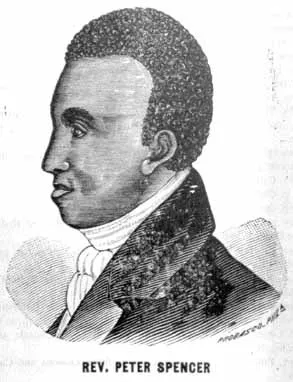
The evidence of Spencer’s legacy, in his own words, is scarce. Even scarcer are visual depictions of Spencer. The drawing here, revealed at the 1955 August Quarterly, is one of our only images of Spencer. Without archival photos, collective memory, storytelling, and the efforts of the organizers to continue this gathering, we would have far less information about this largely unsung historical figure.
Photographs allow us to catch sight of the past. We are given a moment, frozen in time by the photographer, and it is then on us to determine what we see and why it matters. We can imagine the sounds, the smells, the feel of the weather. We can see physical spaces that long served as hubs for communal support, cultural exchange, and intergenerational connection, though they may be gone or look different today—such as the Mother African Union Church after the recent fire. We can understand memories that have stuck with the tens of thousands of visitors who attended the August Quarterly throughout the centuries. We can share these photographs, fuel the fire of our collective memory, and ensure that no stories get lost in the ether.
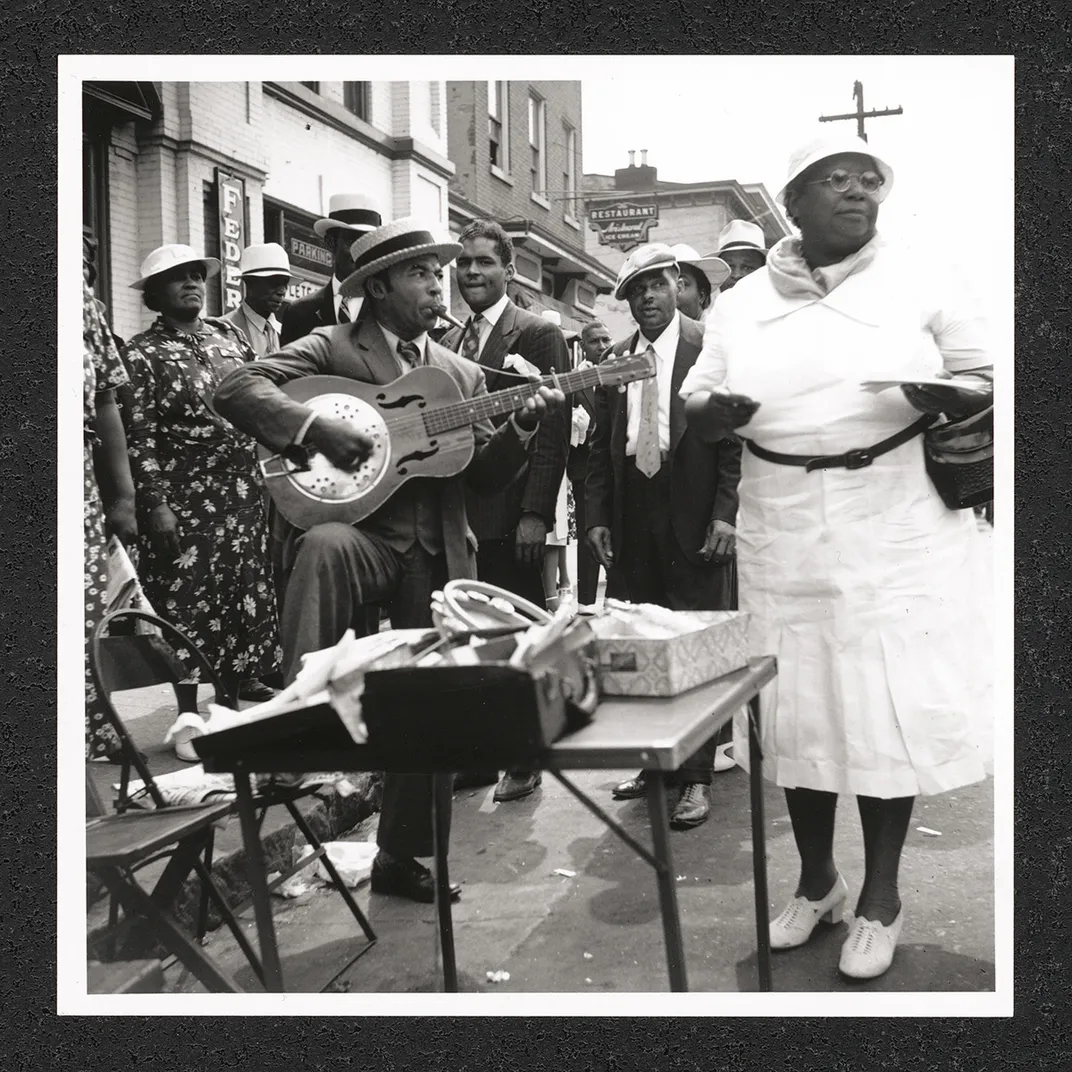
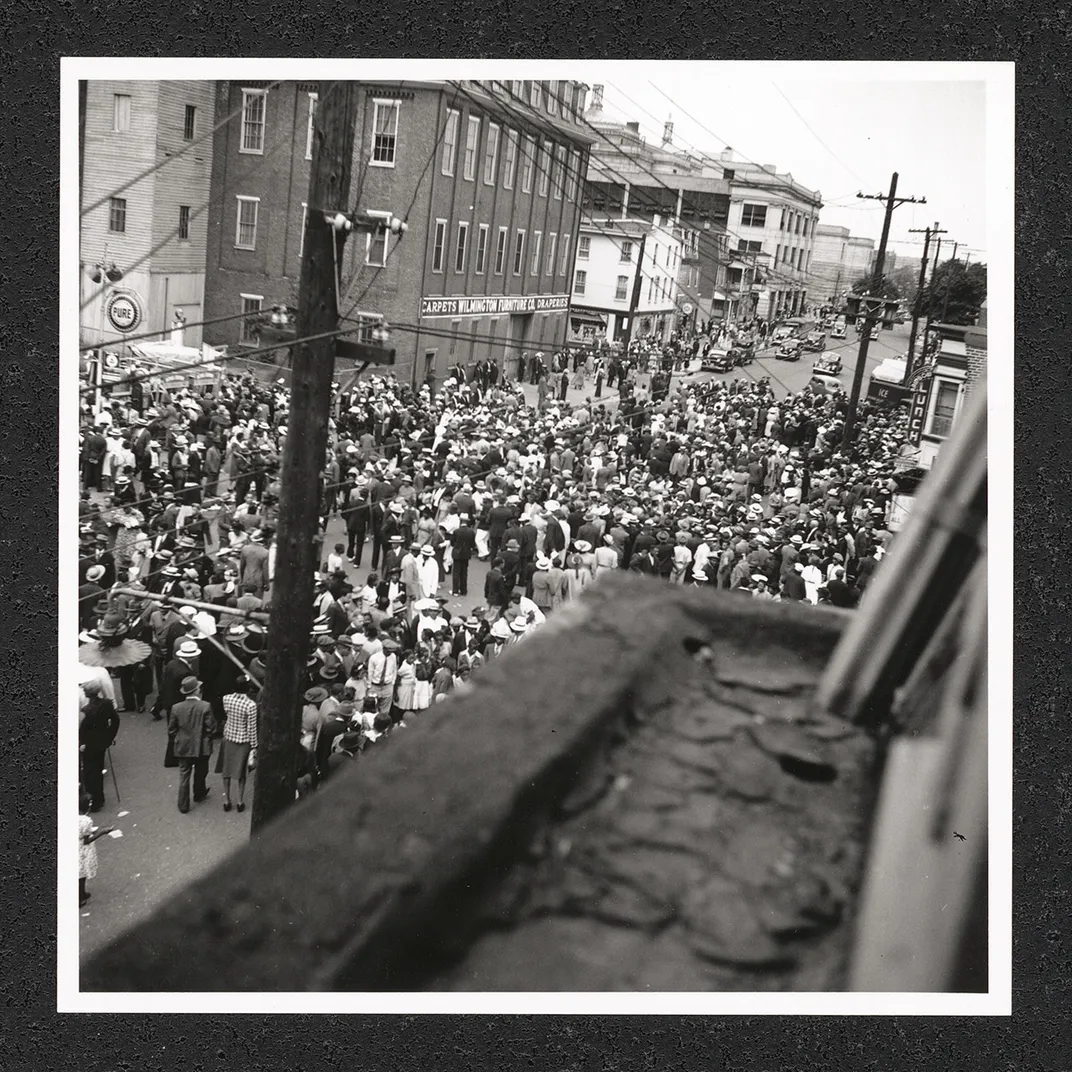
The photographs below were taken by eighteen-year-old Henry Szymanski at the 1939 August Quarterly, ninety-six years after Spencer’s passing. Szymanski was a Polish American itinerate photographer who captured images in Wilmington’s Black community during the Great Depression. Most of these photos were taken on French Street, which is now known as Peter Spencer Way.
Let these photos tell their own stories. How was Spencer’s legacy upheld? When you turn your attention to the past, what do you see?