

Through ‘By the People,’ the Smithsonian and Humanities Councils Unite to Explore 250 Years of the United States’ Cultural Life
How does one discuss, understand and commemorate the history of the United States? If you apply that question to every state and territory, the answer cannot be confined by dates and retellings
:focal(540x360:541x361)/https://tf-cmsv2-smithsonianmag-media.s3.amazonaws.com/filer_public/d5/e0/d5e0edce-852d-4b9b-a0bd-b5d040ae657f/virginia-humanities-dancer.jpg)
This is not your typical “mark your calendar” reminder: fifty-one states and territories across the United States are hosting events connected to By the People: Conversations Beyond 250, an ongoing initiative supported through a partnership between the Federation of State Humanities Councils and the Center for the Folklife and Cultural Heritage.
It would be hard to find another effort with the geographic breadth of By the People. Through this unique initiative, humanities councils have designed community-driven programs exploring 250 years of the nation’s cultural life and imagining its shared future. This is the first time the councils, unified through the Federation, have partnered with the Smithsonian on a single initiative that engages communities in every region of the country. By the People places the power of crafting and implementing programs directly in the hands of local councils and the people they serve.
“The strength of By the People lies in the purpose and structure of humanities councils,” says Phoebe Stein, president of the Federation. “They were created over fifty years ago to make sure federal humanities funding reached every corner of every state and territory. They enable conversations where people can sit with neighbors and strangers and ask big questions: What are the values of our community? How can we make our town or city better? What is our vision for the future? The decentralization of this culture-focused network is exactly what makes the program so powerful.”
In 1971, the National Endowment for the Humanities established six humanities councils in Georgia, Maine, Missouri, Oklahoma, Oregon, and Wyoming with the aim of empowering cultural programming. Fifty-one councils were active by 1976, and, by 1994, the full network was complete at fifty-six, one for each U.S. state and territory. The nonprofit councils are partly funded by NEH and are leading examples of successful partnerships between the public and private sectors. Locally managed, they support all corners of their corresponding states, with more than eighty percent of councils collaborating with rural communities to preserve their unique histories. The Federation is the councils’ membership organization.
“I was thrilled when Sabrina Motley, director of the Smithsonian Folklife Festival, shared her idea to partner the Center with the Federation,” says Cliff Murphy, director of the Center. “Folklife is holistic. It isn’t just the things we associate with the arts—like music, dance, and craft. It encompasses everything from recipes and fashion to occupational life, religious ceremonies, and oral histories. Some of these aspects of folklife live in spaces that only the humanities can fully engage with. By the People offers the rare opportunity to work broadly with leaders in this space.”
Although there have been previous collaborations between the Smithsonian and the Federation, those programs have been geographically finite.
“Humanities councils have collaborated with the Smithsonian’s traveling Museum on Main Street program for decades, hosting exhibitions in small towns across America,” Stein says. “Through By the People, we saw the potential to further combine the Smithsonian’s national and international recognition with the breadth and depth of councils’ community relationships. Having a known and trusted partner like the Smithsonian made an initiative of this scale, which might otherwise have been an experiment, a great fit for our network.”
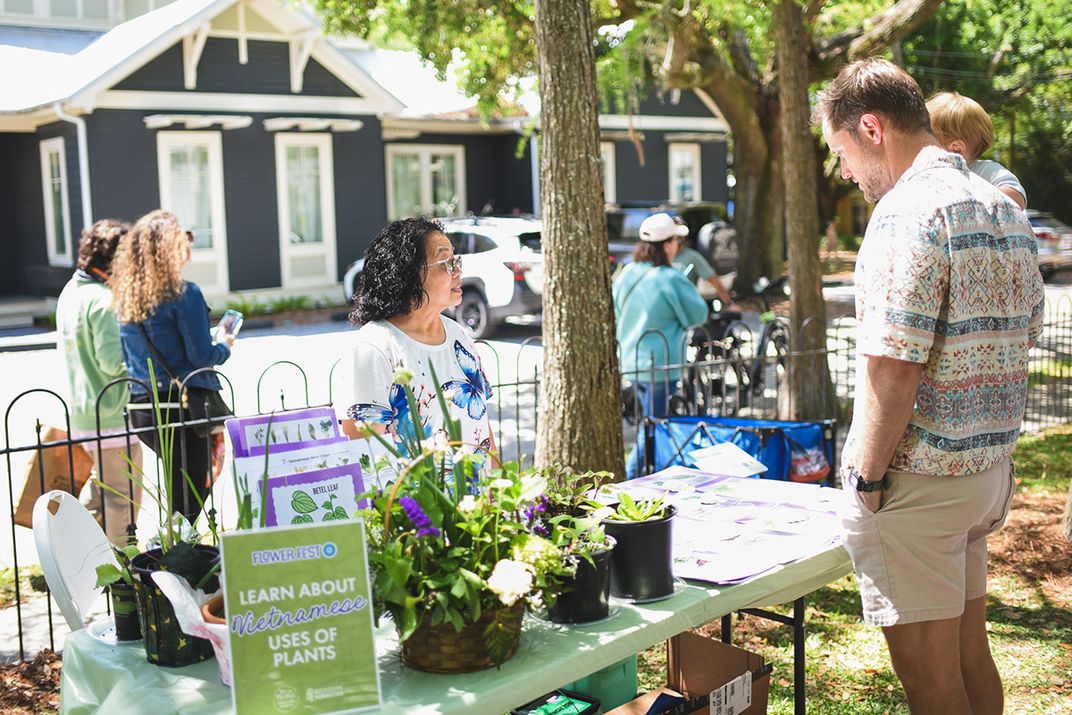
Another strength of By the People is its vast programmatic scope. The humanities councils had the autonomy to develop programming about the U.S. Semiquincentennial that was most effective for their audiences. The outcome of this flexibility? No two programs are the same, and many councils are hosting events and engagements unlike anything they have done before.
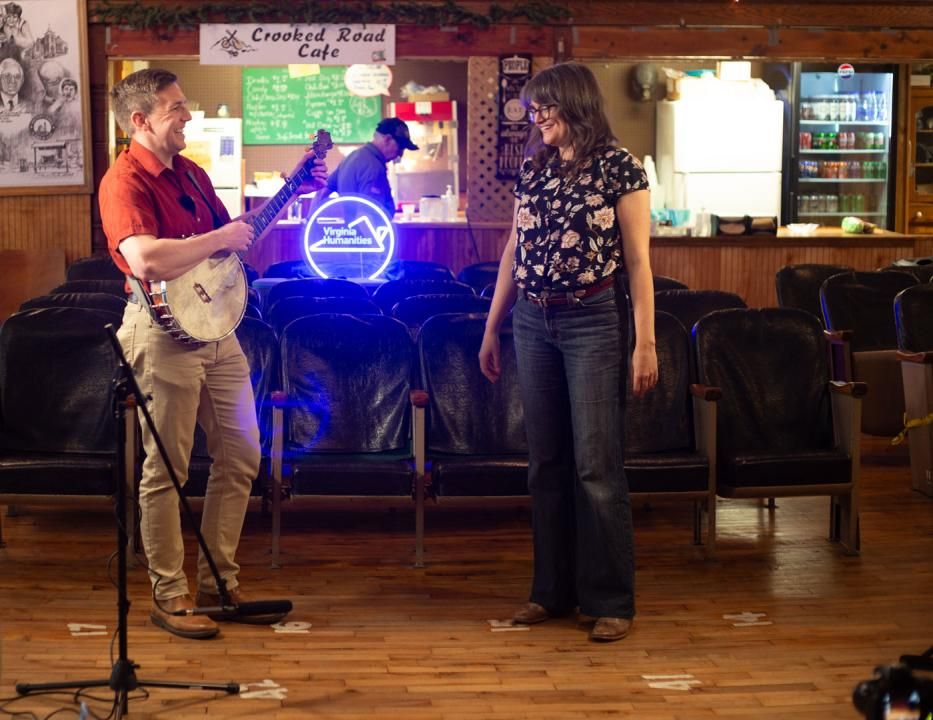
Georgia Humanities created Porch Songs & Public Voices, a traveling folklife festival that will visit three distinct regions of the state and celebrate its unique musical traditions—Piedmont blues in Hartwell; shape-note singing in Eatonton; and Cherokee flute and bluegrass in Cartersville. Maine Humanities Council hosted Gather: Folklives and Foodways, a sold-out evening that included a community meal featuring Indigenous food and musical performances spanning the blues, traditional Wabanaki songs, and ballads from across the Middle East.
The Humanities Council of the Virgin Islands hosted USVI Voices: Heritage, Harmony, and Horizons, the territory’s first-ever humanities conference. Covering travel costs for culture bearers, scholars, and community leaders enabled residents from St. Croix, St. Thomas, and St. John to come together in the same room, many for the first time, to discuss the challenges and opportunities the islands are facing.
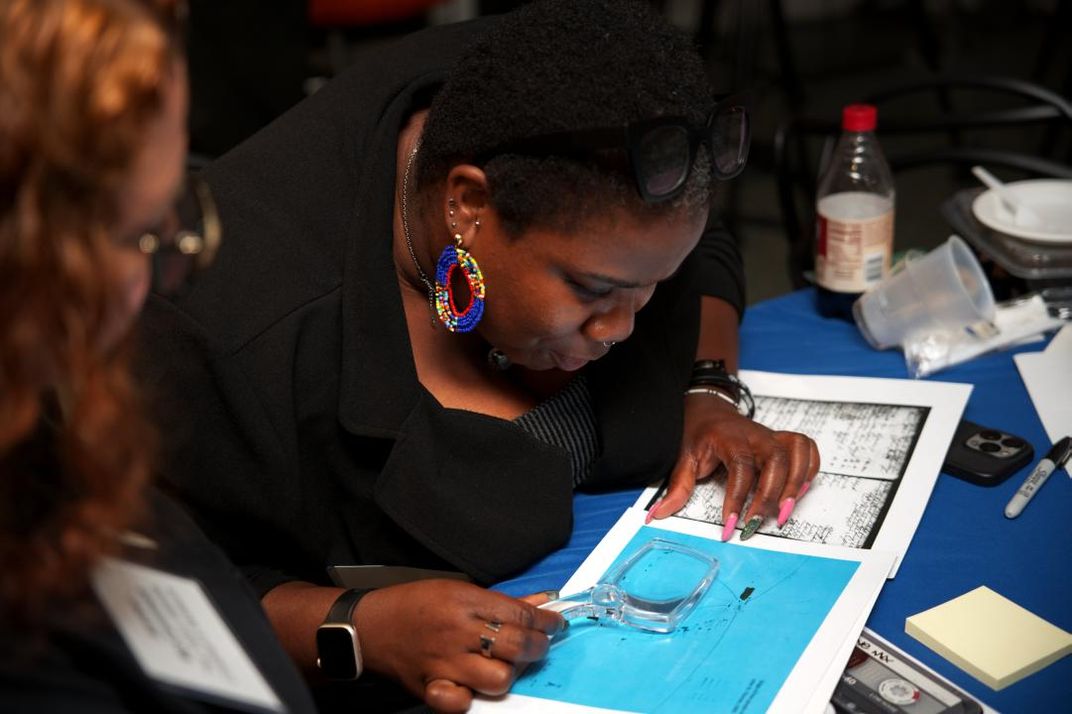
Many councils saw the initiative as an opportunity to build on existing efforts, giving tried-and-true programs stronger footing and broader reach. PA Humanities focused on Voices of History: Stories from Black Pennsylvanians, a statewide effort to collect, preserve, and share the stories of Black residents. Since 2024, the program has traveled to Pittsburgh, Erie, and Scranton; with By the People support, the council was able to bring the program to Philadelphia.
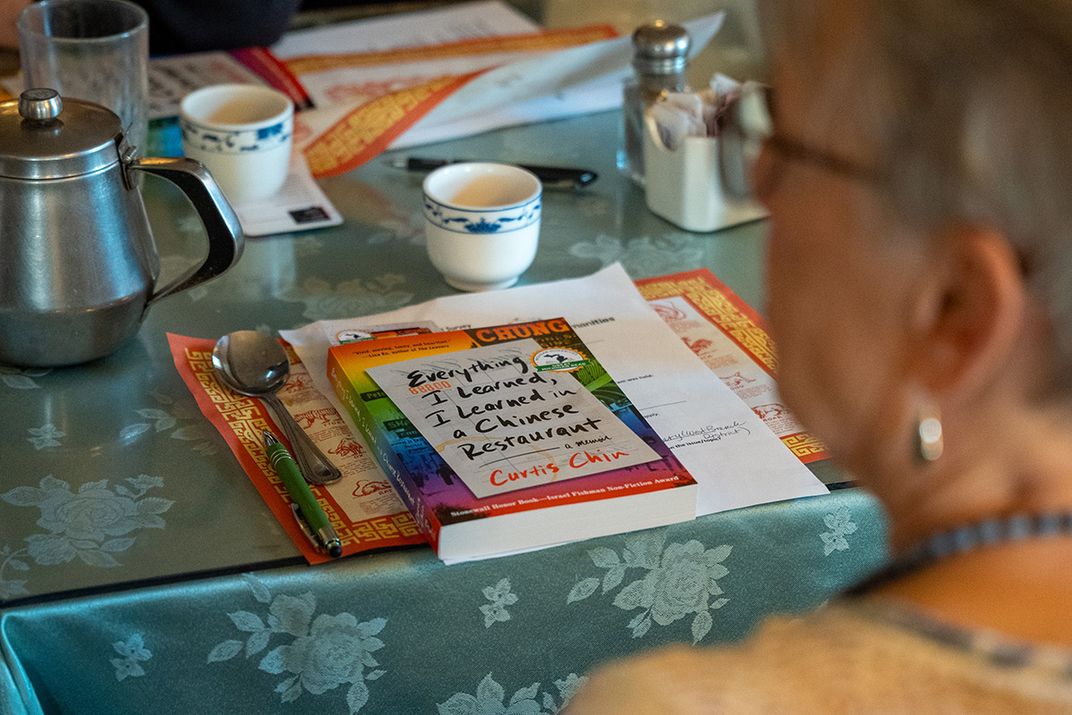
Likewise, Michigan Humanities put a twist on the Great Michigan Read, the long-running statewide book club. They brought author panels outside of libraries and bookstores, hosting several in Chinese restaurants, spaces that brought to life the selected book for this year, Curtis Chin’s Everything I Learned, I Learned in a Chinese Restaurant.
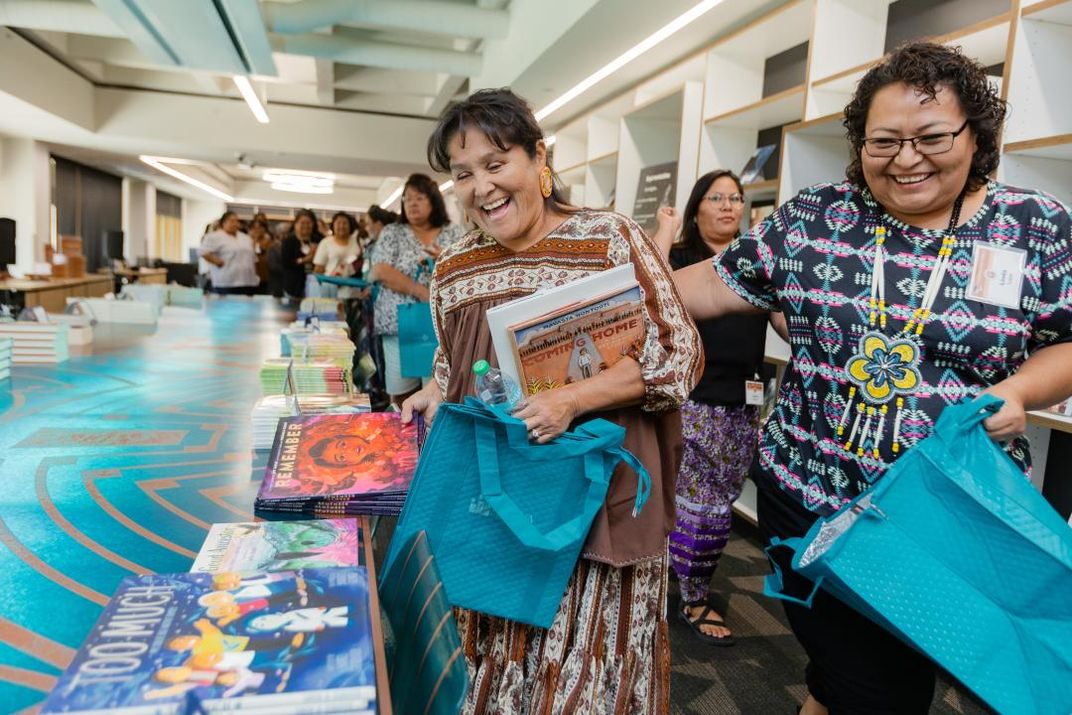
Arizona Humanities gave additional resources to their second annual Blue Corn Festival, a celebration of varied local cultural traditions, with particular focus placed on blue corn as an integral crop to Indigenous foodways in the American Southwest. The monthlong program wrapped with a festival that included local cuisine, cooking demonstrations, poetry readings, children’s book giveaways, and work for sale by Indigenous artists.
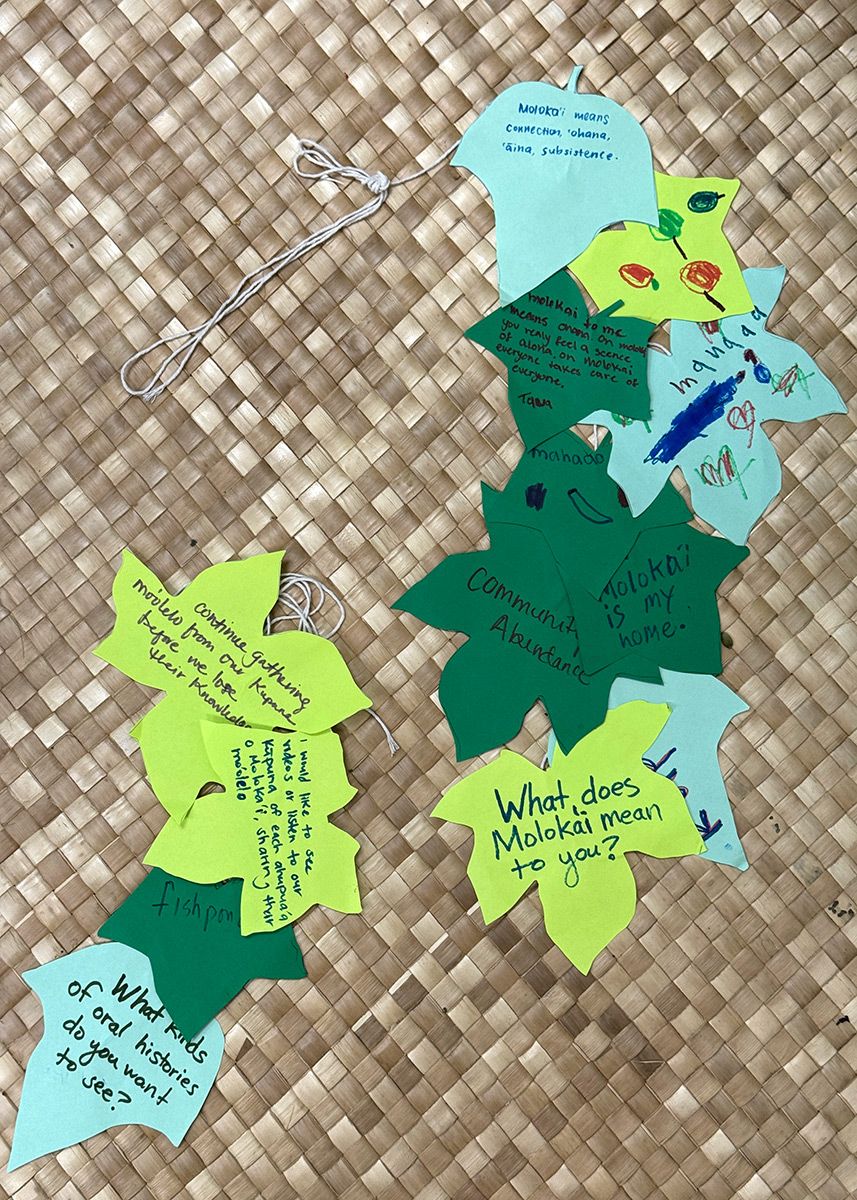
“A number of humanities councils are using the Declaration of Independence as a conversation starter, drawing inspiration from the debate and innovation inherent to our nation’s founding to get communities talking together about what a more perfect union looks like in 2026 and beyond,” Stein says. “It’s been amazing to see councils tap into their existing networks to identify culture bearers. The breadth of traditions represented in these programs is astounding.”
“The councils know their stories, their histories, and their people so well,” Murphy adds. “Allowing them to create tailored programs has maximized engagement. This program is giving humanities councils space and resources to reflect on living traditions and engage with dynamic grassroots cultures how they want to. We are all being transformed in the process.”
This variety is not just for fun; it’s necessary in telling the full story of the United States. Consider the question at the heart of this effort: how does one discuss, understand, and commemorate the history of the United States? Apply that question to every state and territory. The answer cannot be confined by dates and retellings.
“Historical narratives tend to be linear, but living traditions are nonlinear,” Murphy says. “For example, one can tell a linear history of gospel music. They can list the first-known singers and writers; they can listen to modern songs. But as a living tradition, that won’t give the full picture. To engage with it, one must situate it as devotional music within congregations, reflect on its connections to blues, jazz, and other American genres, and understand its history of helping people address injustice, transcend hardship, and build community. Linear language cannot faithfully show the complexity and impact of this tradition, and it’s just one example, one small part of the American story.”
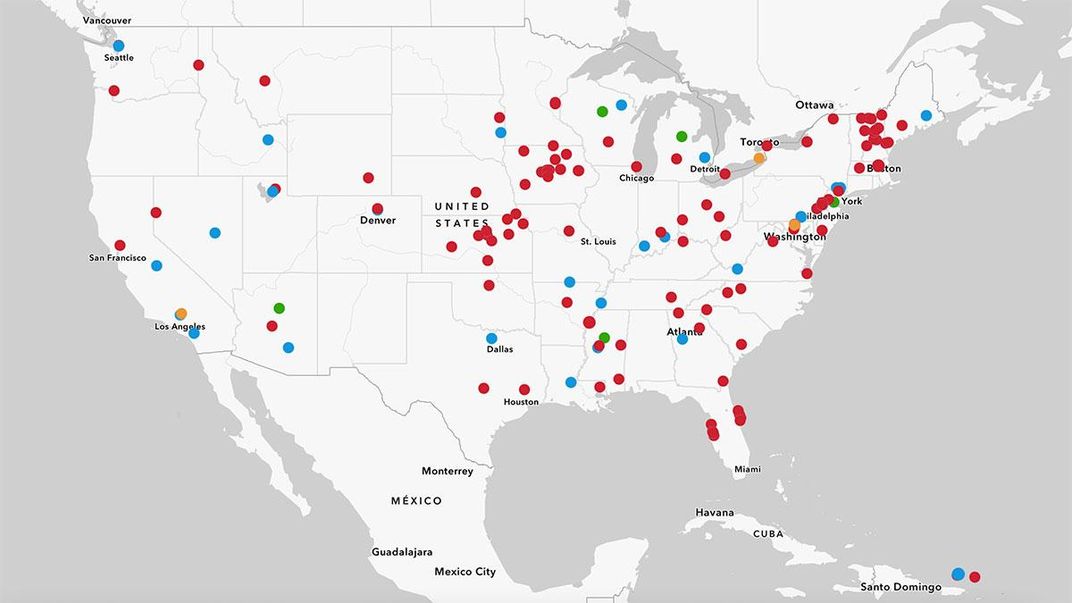
In addition to providing support to the councils, the Center launched the Culture of, by, and for the People StoryMap, a digital resource that aggregates By the People events, alongside parallel programs within Of the People: The Smithsonian Festival of Festivals, For the People: Exploring Living Traditions for Learning, and a series of Spotlight Programs. The interactive map provides a visual anchor for an otherwise decentralized network. Other online offerings include a new By the People podcast from the Federation and several articles in Folklife Magazine.
Even with several months of programming to go, the reach is already measurable. As of May 2026, over 13,000 people have attended By the People events in communities across the country, and related materials across digital platforms have earned tens of thousands of views. But this is only the first wave of impact. Throughout the year, the Center is archiving material from each council to provide access to these programs long after 2026, doubling down on a core theme of this effort: beyond.
“The ‘beyond’ in the title is an invitation to use our histories, cultures, backgrounds, and experiences as Americans to imagine the communities, culture, and values that will define us in the decades to come,” Stein says. “I hope humanities councils and their program participants will feel more connected to the larger network of cultural practitioners in this country. I hope they will be reminded—after an extremely challenging year of funding cuts—how much their work matters.
“I hope the relationships they’ve built and strengthened with culture bearers and intergenerational storytellers will continue to grow and have a positive impact on their states and territories. And finally, I hope this initiative raises awareness about the role of humanities councils and opens new doors for them to connect everyday Americans through the humanities.”
Both Stein and Murphy see this as only the beginning of the Federation and the Center’s unified effort to bring folklife more fully into the national conversation.
“We want to build enduring relationships across the humanities and arts sectors across America,” Murphy says. “Because children everywhere should know that culture lives in their homes and neighborhoods, and it matters. Their folklife matters. It is part of the history and story of America.”
Kirby Ewald is the strategic communications coordinator at the Center for Folklife and Cultural Heritage. She manages communications for By the People, among other projects.