

For Hawaiian Artist Roen Hufford, Making Kapa Bark Cloth Embodies an Exchange with Nature and a Way of Life
Participating in events like the Living Traditions Festival, this week in Salt Lake City, is an opportunity for Roen Hufford to honor her commitment to preserving a once at-risk art form.
/https://tf-cmsv2-smithsonianmag-media.s3.amazonaws.com/filer_public/78/f9/78f9cdd8-dc10-487b-a434-44d2c3cad06e/portrait-roen-kahalewai-hufford-2023-wkapa-adjhires.jpg)
In 2026, the United States of America turns 250 years old. At the Center for Folklife and Cultural Heritage, we are embracing this historic moment by bringing the spirit of the Smithsonian Folklife Festival to you! Through Of the People: The Smithsonian Festival of Festivals, we are collaborating with more than thirty festivals across to country to showcase the nation’s remarkable cultural landscape.
“By beating kapa and making noise, there is an exchange that is exciting.”
Roen Halley Kahalewai McDonald Hufford spoke to me enthusiastically over the phone about her upcoming participation in the Living Traditions Festival in Salt Lake City, May 15 to 17. Through a collaboration with the Smithsonian Folklife Festival, and with support from the National Endowment for the Arts, the Native Hawaiian artist and master maker will be featured in the festival to demonstrate making kapa, Hawaiian bark cloth made from the inner bark of the wauke, or paper mulberry tree. For Hufford, participating in these events is an opportunity to honor her commitment to sharing information and resources about this once at-risk art form.
Scholars have said that in early Hawai‘i, the sound of women beating kapa could be heard long before the village came into view. Making kapa—stripping the outer bark of the paper mulberry tree, soaking the inner stem in seawater, and beating the fibers until they transform into a thin, pliable sheet—was an essential practice, used in everyday and ceremonial functions.
After the introduction of manufactured cloth by European explorers and American missionaries and businessmen in the late-eighteenth century, kapa production diminished rapidly. As a part of a rebirth of Hawaiian cultural traditions in the 1970s, several artists reclaimed the skills to make kapa. Thanks to artists like Hufford, there is growing recognition of the practice.
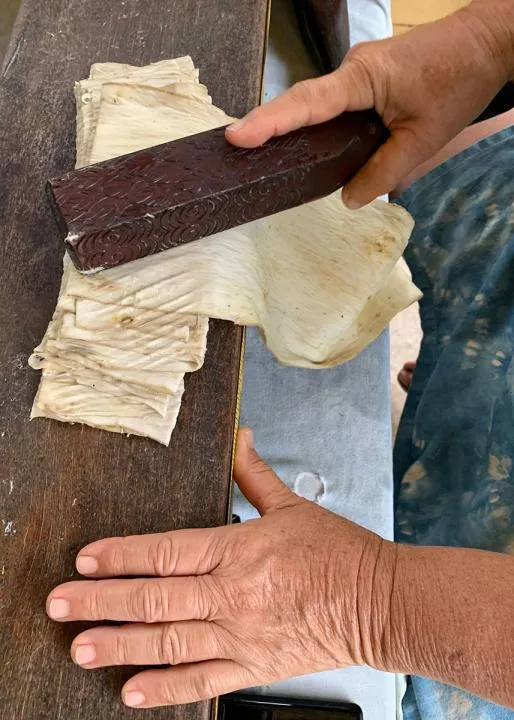
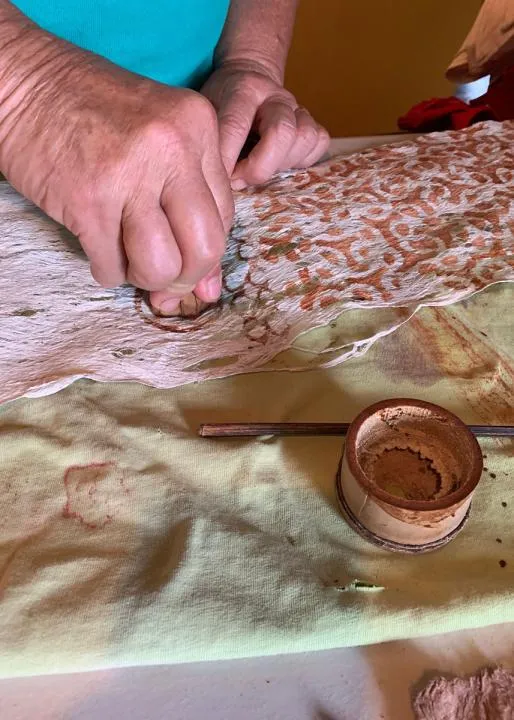
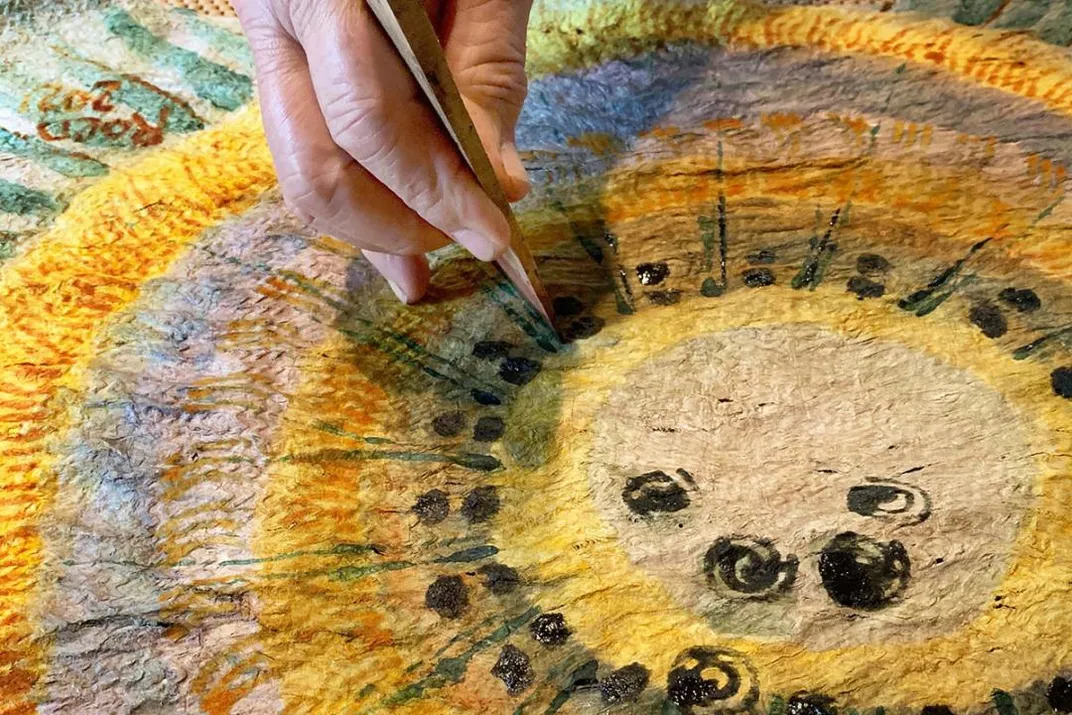
I first met Hufford when I visited her home, farm, and studio on Hawai‘i Island in January 2026. As soon as I stepped out of my car, I heard the distinct sounds of an i‘e kuku (four-sided wooden mallet or beater) pounding wood fibers against a kua lā‘au (wooden anvil). I followed the sound and found Hufford making kapa in her lanai (veranda), where her haumāna (students) gather weekly to receive and share knowledge, laughter, and food. It was there that I learned how her responsibility to steward the tradition was passed to her by her mother.
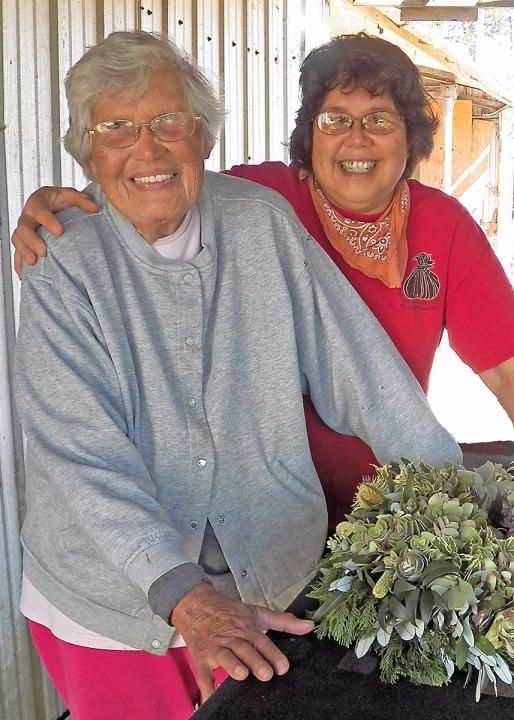
Born in 1950 on Moloka‘i and raised on O‘ahu, Hufford grew up tending and harvesting plants with family elders and her mother, the late Marie Leilehua McDonald, a master at the art of Hawaiian lei making. Hufford studied art at the Pratt Institute in New York and the University of Hawai‘i at Mānoa. While she worked for the City and County of Honolulu and as a self-employed florist, she continued assisting her mother in preparing and giving demonstrations of lei making.
She helped her mother produce two seminal books on lei, Ka Lei: The Lei of Hawai‘i (1997) and Nā Lei Makamae: The Treasured Lei (2003). Later in life, McDonald expanded her interest in lei to kapa and set out to reclaim the tradition alongside the artists Malia Solomon, Pua Van Dorpe, and Moana Eisle.
When her mother passed away, Hufford took up the mantle of stewarding the kapa tradition. In 2023, due to her extraordinary kapa pieces and steadfast commitment to teaching a new generation, Hufford, like her mother, was named a National Endowment of the Arts National Heritage Fellow, the nation’s highest recognition in the folk and traditional arts.
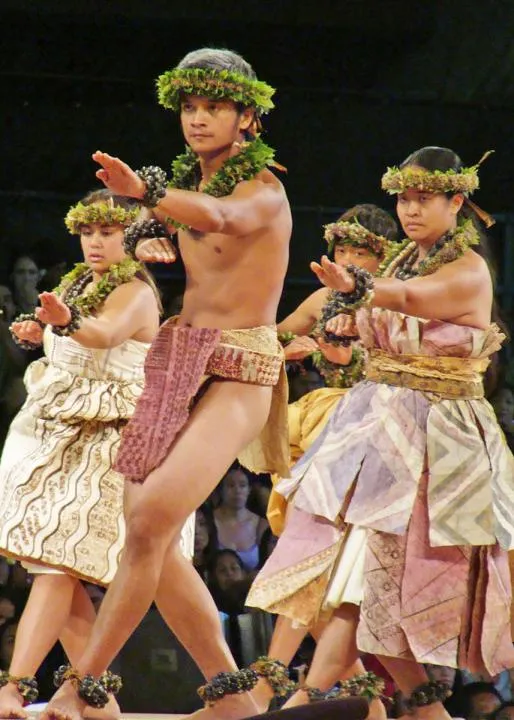
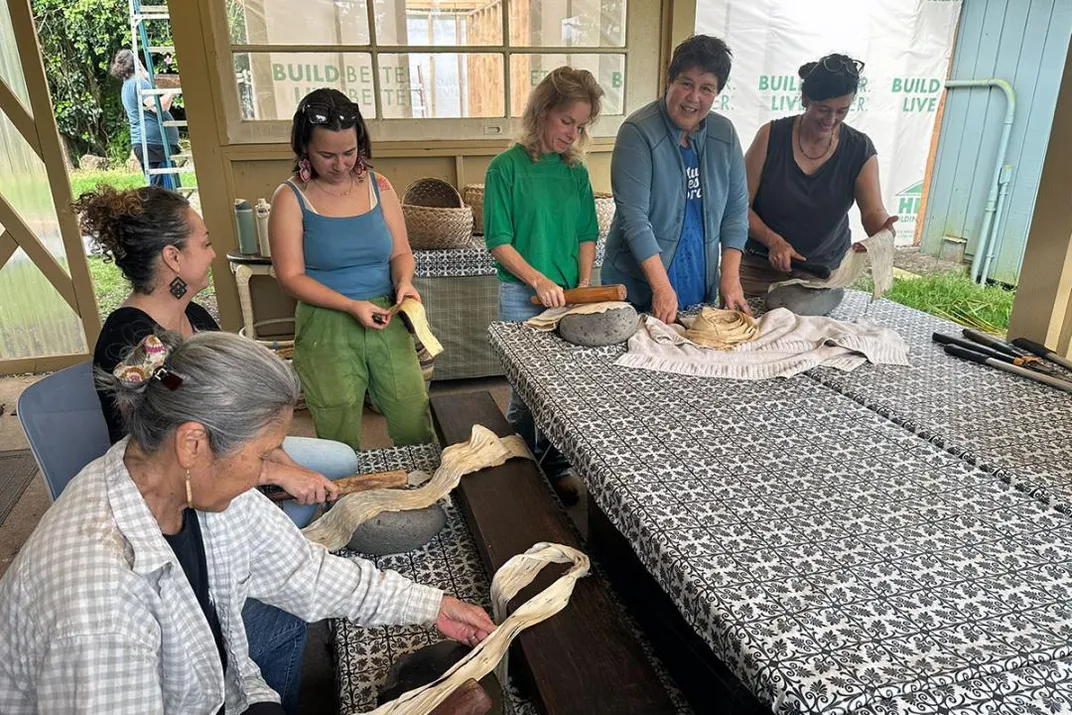
Hufford hosts a weekly kapa hui (kapa group) at her home. Students of all ages, backgrounds, and skill levels are welcome to learn kapa free of charge. Just as her mother taught her, Hufford teaches them the entire process, from the farming and cultivation of wauke to decorating with natural dyes and pigments and sharing their work with other people.
“If you are going to beat kapa, you have to know everything,” Hufford said in an interview with Hawaiian Ohana for Education in the Arts. “You have to know how to cultivate the plant because that is where it all starts—all of this starts with the land. Were it not for the resources the land gives us, we couldn’t do this.”
This lesson is often taught in the two large wauke patches on her farm, one of which was first planted by McDonald. With incredible foresight, she planted a large patch that has since nourished generations of kapa makers. Hufford continues this practice by inviting kapa makers to harvest from her farm, supplying wauke for workshops, and providing plant starters to those who want to begin their own patches.
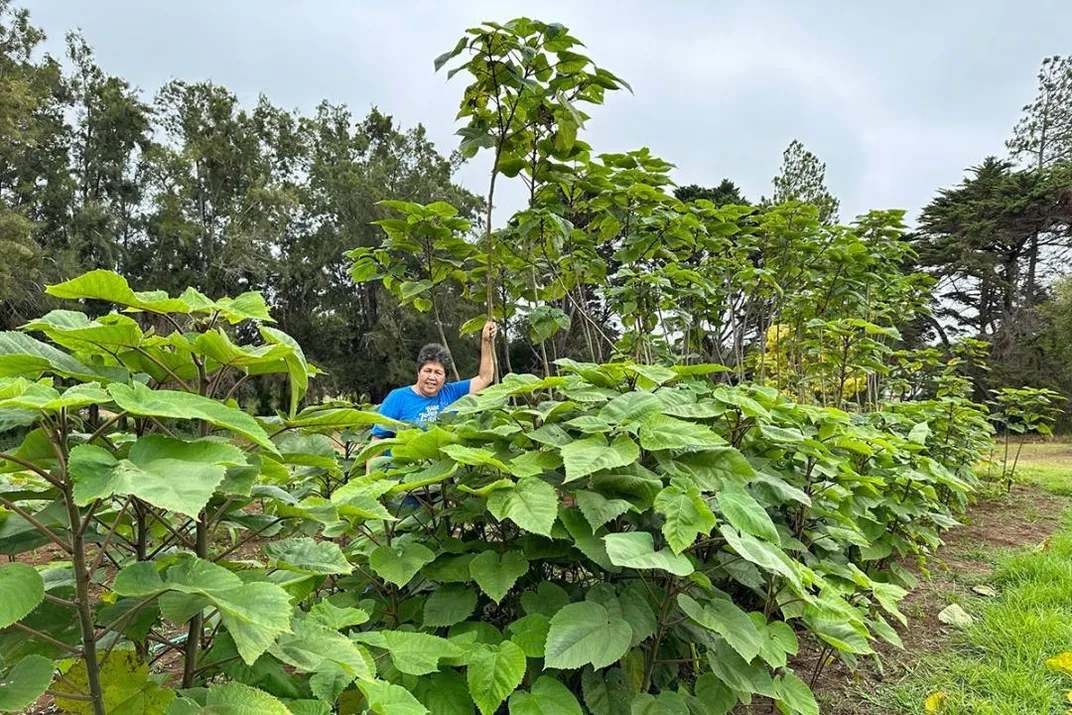
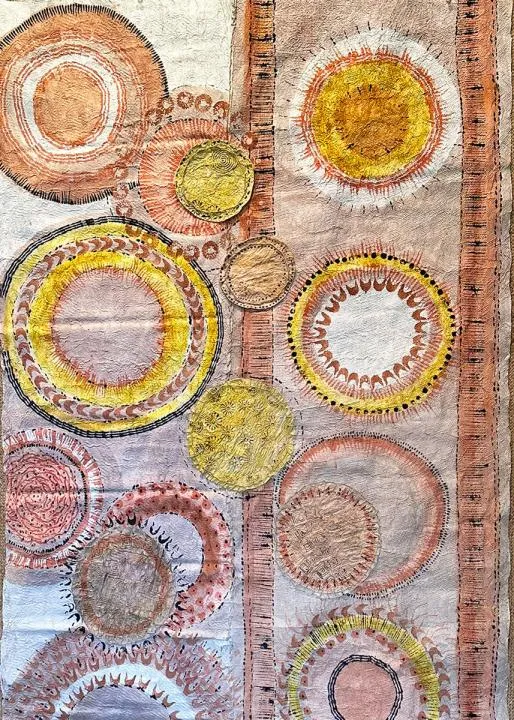
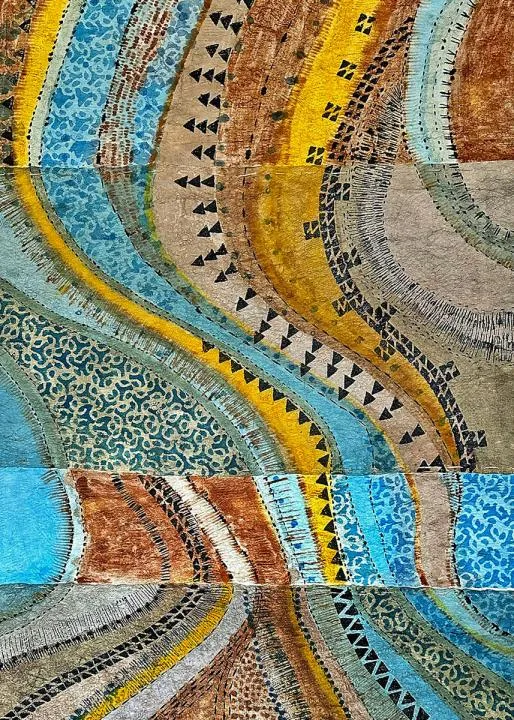
An early, fundamental lesson Hufford shares with her students is that the maker is entwined with the rhythms of the land and sea. Often this can cause unexpected outcomes that can be perceived as inconveniences. For example, during my visit, Hufford received news of a large commission involving multiple kapa pieces—but with a short deadline. Since the wauke was not ready for harvest, she had to tell the collector that they needed to extend the timeline.
Hufford also told me about a time when a student was experimenting with a new dye that had been vibrant upon application but changed significantly after it had dried. At first, her student thought the exercise was a failure, but Hufford reminded her: “The kapa is still alive. That’s what life is about.”
For Hufford, making kapa is not just about the mechanical transformation of wood fibers into artwork. It is also about overcoming challenges, learning new skills, and listening to the environment. Making kapa is an exchange with nature, the transformation of the person, and a way of life. Whether she is at home or participating in festivals, she endeavors to share her knowledge with the next generation.
“I am a big proponent of people discovering that with a little bit of knowledge and a little bit of effort, they can make great things,” she says.
Hufford is eager to share these lessons alongside her students at the Living Traditions Festival. Throughout the festival, they will demonstrate kapa making using, in part, Utah native plan materials. Like with the 2025 exhibition E Ola Ke Kahua O Ka Hana Kapa: The Foundation of Kapa Making Thrives, Hufford sees the festival as an opportunity to uplift her students as teachers.
“A good teacher makes those plans,” she says succinctly.
For those interested in learning, follow the melodic beat of Hufford and her students making kapa through the streets of downtown Salt Lake City.
Christina Ayson-Plank is the Asian Pacific American Collections Specialist at the Smithsonian’s Archives of American Art.