

Whose Stories Show Up When You Search Online? See How Wikipedia Edit-a-Thons Are Making Women’s History More Visible
Explore how Wikipedia edit-a-thons increase the visibility of women throughout American history, helping readers find stories and contributions that might otherwise be overlooked.
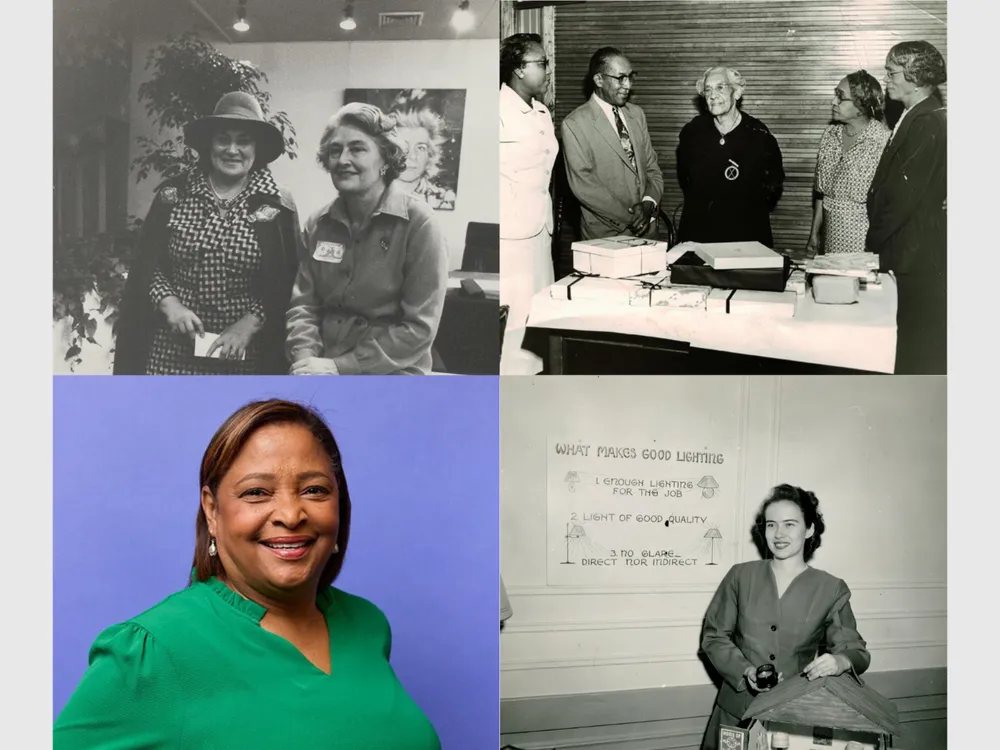
Whose stories are you likely to find?
Women remain underrepresented in the digital resources people use to learn about history. On English Wikipedia, only 20% of biographies are about women. As one of the internet’s major reference resources, Wikipedia helps shape what people encounter through search engines and AI-generated summaries, making the gaps in its coverage especially significant in search results.
The Smithsonian American Women’s History Museum works to increase the discoverability of women throughout American history by developing worklists and partnering with Wikimedia DC to host Wikipedia edit-a-thons. These worklists link reliable resources, including print materials and sources behind paywalls, that document individual women’s lives and establish their notability. Explore how Wikipedia’s notability standards shape whose stories are represented online in "Where Are All the Women? Notability and Digital Discovery." During edit-a-thons, staff, researchers, and volunteers use the worklists to create new Wikipedia entries and expand existing ones. The worklists also remain a durable resource for Wikipedia contributors after an event, supporting continued efforts to improve the encyclopedia’s coverage of women.
Increasing the number of women represented in online resources like Wikipedia helps build a more complete account of American history. Meet four women whose Wikipedia entries were made possible through the work of staff, researchers, and volunteers using our edit-a-thon worklists.
Lillian Harris Payne
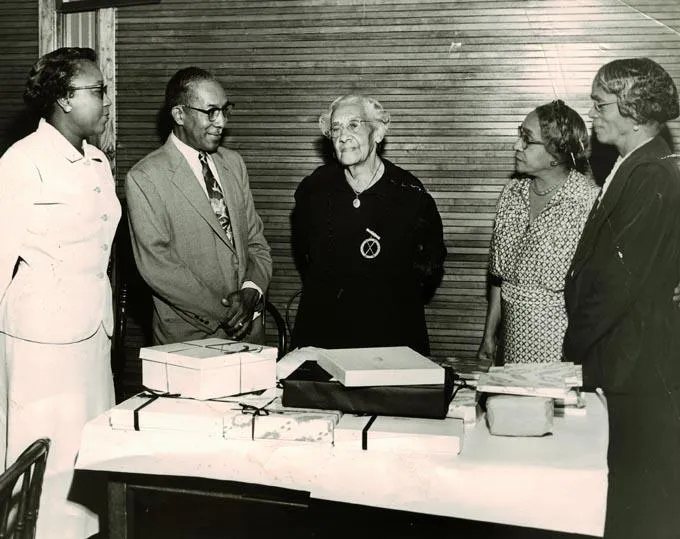
Lillian Harris Payne (1867–1952) worked alongside Maggie Lena Walker to revive the Independent Order of St. Luke (IOSL), one of the most important Black fraternal orders in Richmond, Virginia. When Walker took over leadership of the IOSL in 1899, it was on the brink of collapse. Under her leadership, the IOSL expanded to include a department store, the St. Luke Herald newspaper, and, perhaps most famously, the St. Luke Penny Savings Bank. While Walker is known as the first Black woman to found a bank and serve as its president, she did not work alone and empowered and employed Black women throughout the IOSL businesses.
One such woman was Lillian Harris Payne, who was selected by Walker to help her revive the IOSL in 1900 and rose to be Walker’s “right hand” and second in command. In addition to leading the finance committee and serving on the Board of Directors at St. Luke Bank, Payne became the editor of the St. Luke Herald. Originally meant to communicate IOSL news to members in chapters across the country, the publication soon expanded to play an important role in informing the community and taking a stand against racial injustice. As managing editor, Payne guided the St. Luke Herald into becoming Richmond’s leading Black newspaper distributed to over 100,000 members in 24 states.
Lori Montenegro
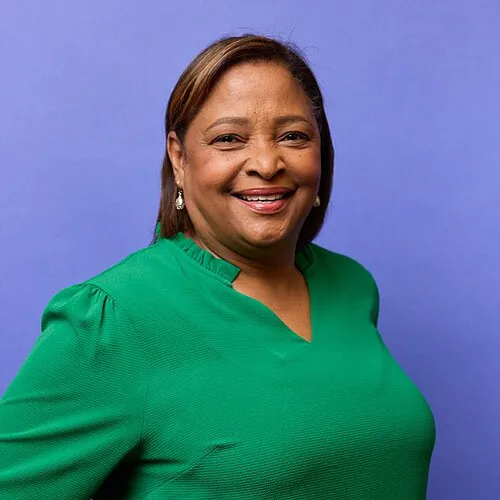
Cuban American journalist Lori Montenegro (b. 1959) grew up in Miami, Florida, in the 1960s. Beginning her career at a radio station while in college, she soon transitioned to television with a reporting position at a local news station in Miami. In 2019, after twelve years as the leading political correspondent, she became the first Afro Latina Bureau Chief for Noticias Telemundo, one of the leading Spanish language news networks in the United States.
She has reported on major events in U.S. history and interviewed several world leaders, including former U.S. President Barack Obama and former Mexico President Enrique Pena Nieto, among others. Montenegro’s reports cover a wide range of issues related to politics, elections, immigration, health care, and the economy, bringing a national perspective on the news to the Latino community.
Montenegro is a recipient of the Congressional Hispanic Caucus Institute’s Latina Leader Award, and, in 2023, she was inducted into the National Association of Hispanic Journalists Hall of Fame. She was featured in the exhibition ¡De última hora!: Latinas Report Breaking News, which was on view from 2023–2025 at the Smithsonian’s National Museum of American History.
Louisan E. Mamer
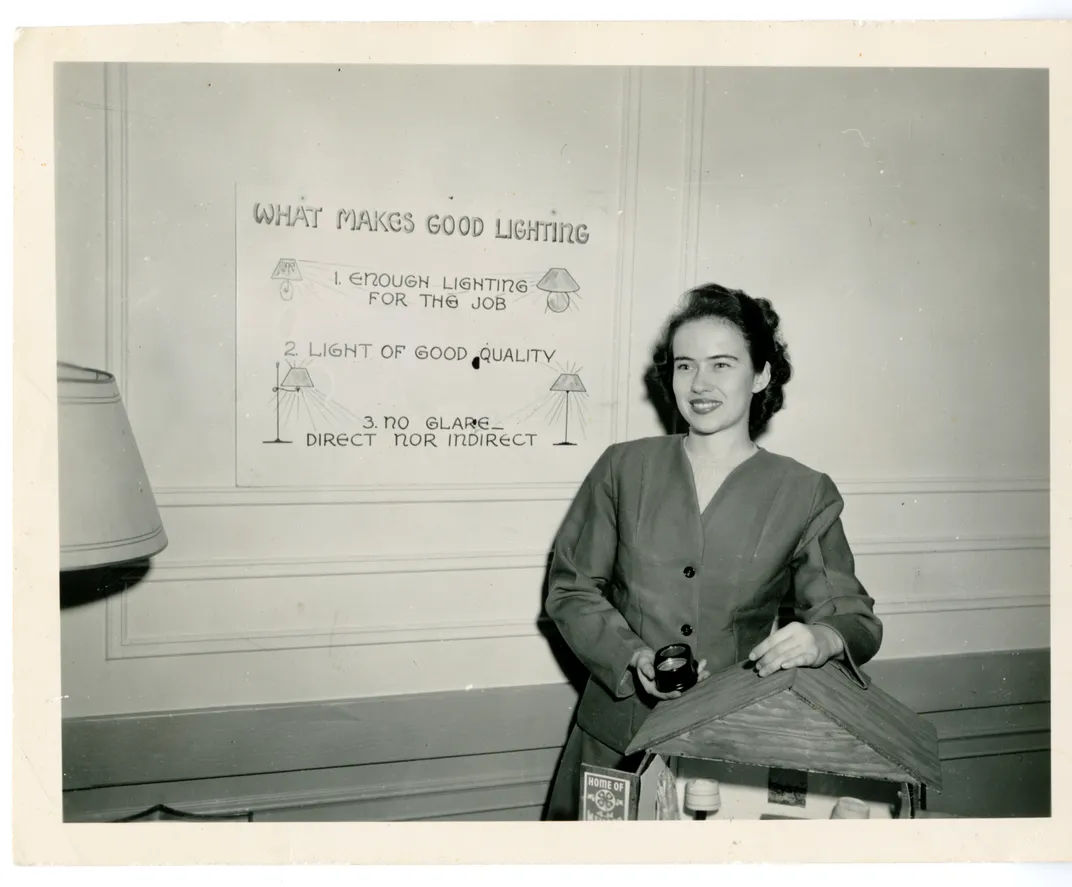
Louisan E. Mamer (1910–2005) was a home economist and writer who helped rural Americans understand how electricity could transform their daily lives. Raised on a farm in southern Illinois without electricity or running water, Mamer earned a degree in home economics from the University of Illinois in 1931. She joined the Rural Electrification Administration (REA), a New Deal agency working to bring electricity to rural communities, in 1935. As a home electrification specialist, she traveled across the country staging what she and her colleagues referred to as an “electric circus,” demonstrating household appliances and teaching farm families how to use electricity safely in their homes.
From 1937 to 1941, Mamer helped develop and present the REA’s traveling demonstrations of electric lighting, kitchen appliances, and other household technologies to rural communities. She also developed recipes for electric cooking and wrote and reviewed REA publications, including training materials for home economics teachers. Her papers, photographs, and other materials documenting this work are preserved in the Smithsonian’s National Museum of American History Archives Center.
Madeline McWhinney Dale
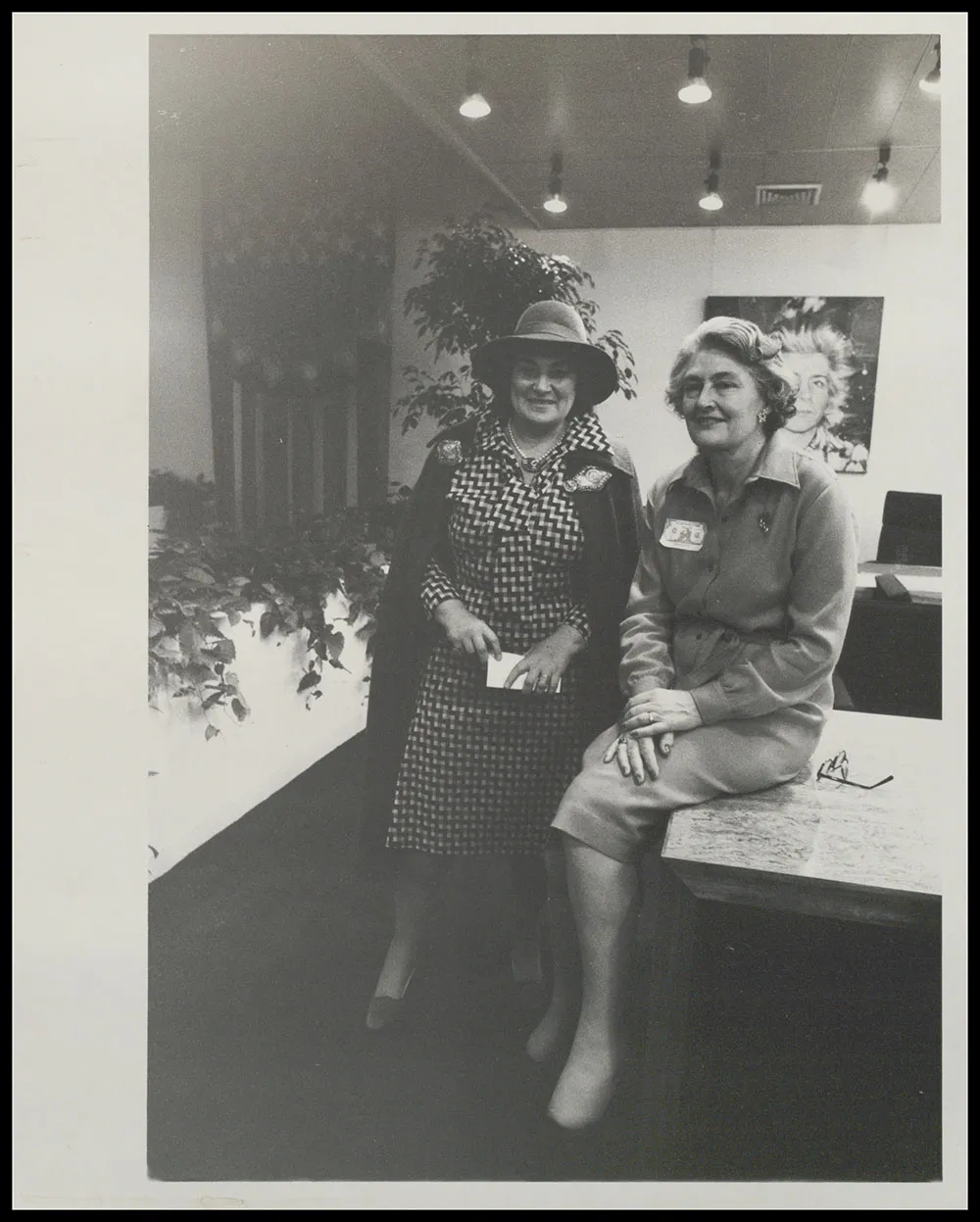
Madeline McWhinney Dale (1922–2020) was an economist and banker who helped expand women’s opportunities in banking and finance. After graduating from Smith College with a degree in economics, she joined the Federal Reserve Bank of New York in 1943. In 1960, she became the bank’s first woman officer and manager of its newly established Market Statistics Department, where she oversaw work using computers to monitor the government securities market. By 1967, the Fed made McWhinney Dale the first woman to become assistant vice president of the bank.
In 1974, McWhinney Dale became the first president of the First Women’s Bank of New York, which opened in 1975 as a majority women-owned and -operated financial institution. The bank aimed to address barriers women faced in accessing financial services and credit, offering educational resources and guidance on investments, insurance, and financial planning. A respected member of the financial community, McWhinney Dale held numerous positions including governor of the American Stock Exchange, board member of the Carnegie Corporation, chief financial officer for the Whitney Museum of American Art, among others.
The Work Continues
Thanks to volunteers and staff who care about making women’s history more discoverable online, these women’s stories and achievements are now more likely to surface in search results and reach people looking to learn more about the past. But there is still work to do to make women’s contributions more visible online, including the stories of women whose Wikipedia biographies have yet to be written. Women like Laurie Shields, co-founder of the Alliance for Displaced Homemakers, and Katie Whickam, a beautician, community leader, and national civil rights organizer from New Orleans. Their stories—and many others—are waiting to be better documented and shared.
Through initiatives that expand access to historical information and support Wikipedia editors, the Smithsonian American Women's History Museum continues to help increase the discoverability of women's stories online. On our website, explore training videos and other resources for new Wikipedia editors to learn how you can contribute.