

Newly Digitized Oral History Transcripts Reveal 89 Women Who Shaped American Art, Some Identified by Their Own Names for the First Time
The Smithsonian Archives of American Art digitized 89 oral history transcripts of women artists, historians, patrons, and collectors, adding searchable subject tags and biographical details that make their stories newly discoverable online.
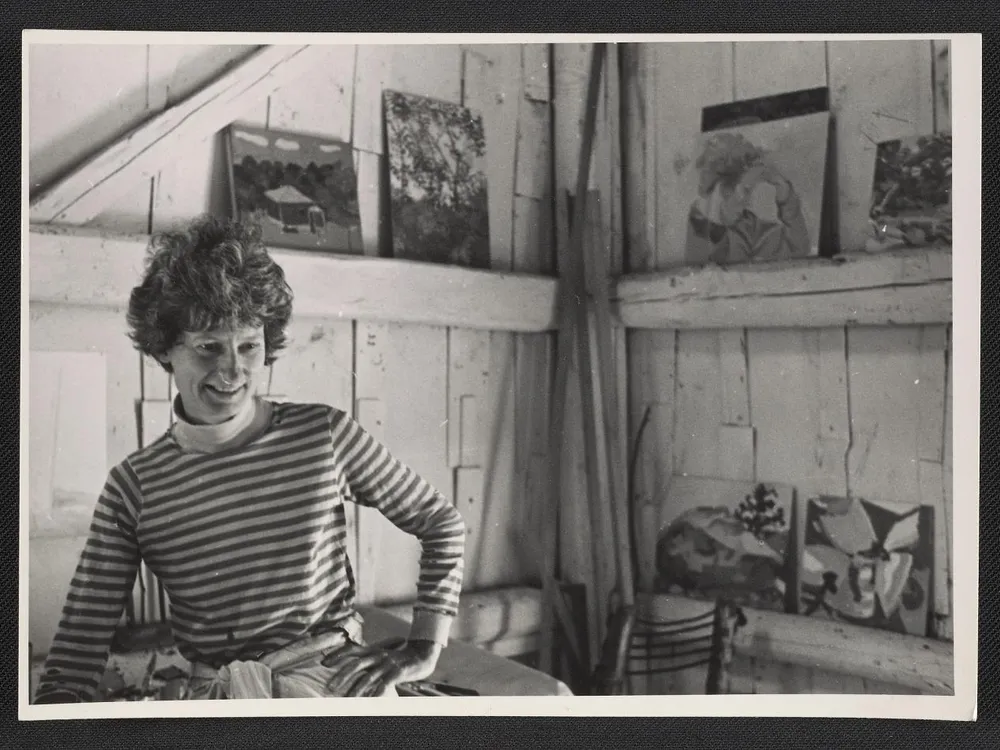
How Digitization Restored Women’s Identities
In today’s digitally-focused world, “if it is not online, it does not exist,” says Archives of American Art oral history archivist Jennifer Snyder.
With this in mind, the Smithsonian Archives of American Art recently completed a digitization project to increase the discoverability and research capabilities of oral history interviews with influential women in the visual arts of the United States. The project received funding from the American Women’s History Initiative Pool—an award program that supports projects that reinforce the Smithsonian’s mission to research, share, and amplify the histories of American women—to convert 89 analog oral history transcripts to digital forms that now exist online.
While these interview transcripts were technically available to the public prior to this project, researchers had to submit a request for a scanned copy of the typescript (a marked-up version of the initial audio transcription that shows edits made by the interviewee), a sometimes lengthy and inconvenient process. The digitization project removes barriers to access the transcripts and increases the metadata in the archival collections systems, making the oral histories of women artists, art historians, dealers, collectors, and patrons more accessible and researchable.
Using the transcripts, the women’s biographical information was also updated, adding context to the archival records. Digitizing the interview transcripts allows for restoration of women’s identities, says Snyder, because some of the typescripts recorded the woman only by her husband’s name. So, despite their transcripts being a part of the collection, their names were not. A crucial component of the project was to add the women’s full names and detailed subject tags to the transcripts, which help researchers find transcripts relevant to their research.
“That’s a game changer,” according to Snyder. Digital searching is critical to the discoverability of these women’s stories and experiences.
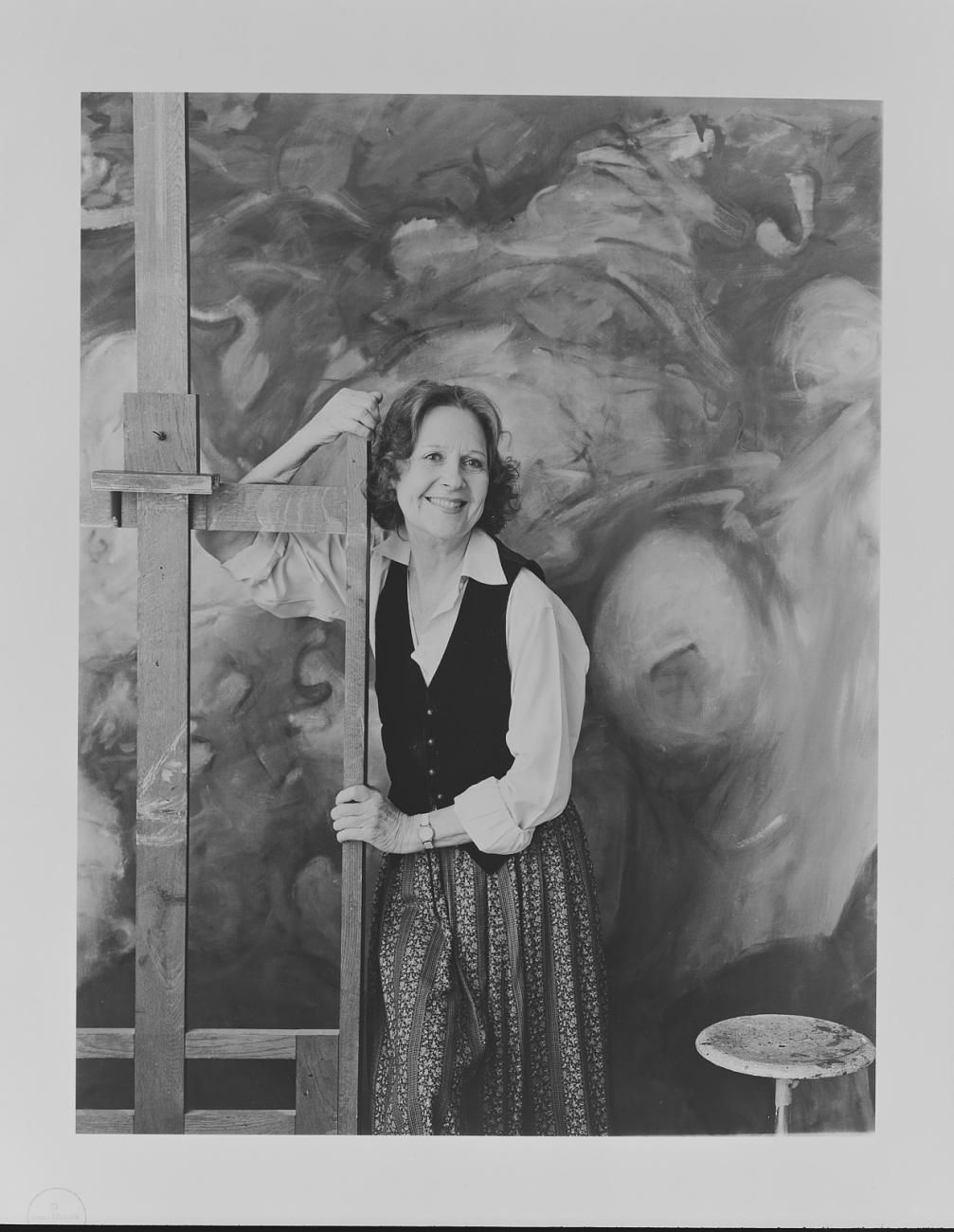
Data and Discoverability
Digital content is critical to fully exploring the art world. The interview transcripts now exist online as an “index” of primary sources for researchers and those curious about women and cultural movements, improving the discoverability of women working within the art world of the United States and encouraging new ideas and research on art and women’s history.
Expanded metadata greatly increases the ability of scholars to find people in relation to certain movements or contexts. The new subject tags and biographical information in the collection records allow for greater search engine output of women artists, art historians, dealers, and patrons in relation to the movements and time periods in which they played critical roles. It puts these women into context that expands research prospectives and places them into the historical landscape.
Additionally, Archives of American Art summer intern Gaby Stephenson is adding a layer of discoverability of these women’s life stories by updating available Wikidata using the new transcripts. Wikidata is the largest open-access knowledge base online, and it is used as a data source to supplement and validate other knowledge bases and websites. By giving these women more visibility in Wikidata, researchers can draw connections to other artists and institutions and see them in a much broader context than before.
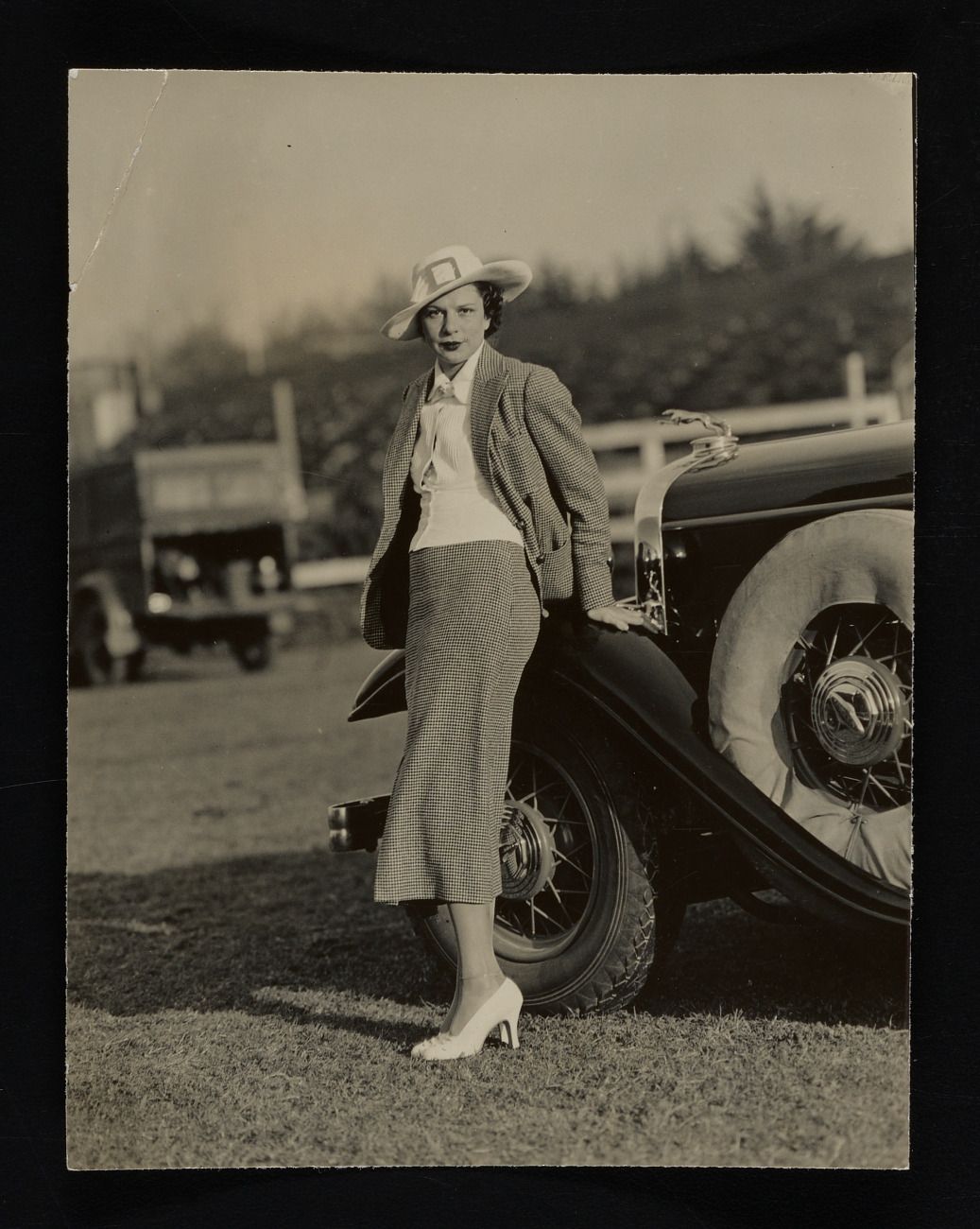
New Research Capabilities
Oral histories are firsthand accounts of artists’ influences, methods, and techniques within the scope of their careers. They allow members of the visual art world to give their perspectives and provide their reflections and knowledge of the past with present-day understanding.
While it remains to be seen how scholars will use these transcripts, having them digitally available changes the capacity for research. The increased accessibility of these women’s stories will accelerate scholarship and broaden public appreciation of the active roles these women played in the social and cultural history of the United States. Snyder believes it is important to hear these women’s stories in their own words. “Not having these interviews digitally available was a detriment,” she says.
Now that the transcripts are available online, these women’s oral histories will expand our knowledge of what was happening in the American art world at the time of the recordings and help researchers identify connections between people, places, and movements. Scholars can point to how artists’ work influences one another and highlight who is writing and talking about certain movements and actors in the art world. The interviewees discuss current events of their time, women’s rights, how artists felt about what critics said, and more, allowing listeners and readers to gain a firsthand understanding of what these key players were feeling and thinking.
Now, anyone searching the Archives and Smithsonian Collections websites can access the transcripts online and be inspired by the stories of these key women. This Archives of American Art digitization project has increased the digital footprint of women in the art world and will continue to spark curiosity that expands the horizons of women’s history research.