

Breaking Barriers and Soaring Into History: Pittsburgh’s ‘Three Helens’ During the Golden Age of Aviation
They fought for their places in the sky and advanced aviation for generations of women
:focal(594x396:595x397)/https://tf-cmsv2-smithsonianmag-media.s3.amazonaws.com/filer_public/42/db/42db1e70-a56f-4e8a-a268-6b0921bfac16/b27-01_1932-03-13_birds_of_a_feather_press_bb_blue2.jpg)
The Golden Age of Aviation of the 1920s and ’30s was characterized by the ascendancy of female pilots — though they had to fight for their places in the sky. Among the Pittsburgh aviatrixes who soared was a trio of accomplished pilots dubbed the city’s “three Helens.”
Pittsburgh — like many cities — was trying to establish itself as a leader in the fast-growing field of aviation. While civic leaders boasted of “firsts” in aircraft technology, infrastructure, and commercial flight, the era’s pilots competed for their own influence. Women had the additional challenge of being taken seriously, but they persevered to break gender barriers and capture the public imagination with their accomplishments.
“Helen” was a top-ten name at the time, and Pittsburgh’s top women pilots shared it. Let’s take a look at the careers of Pittsburgh’s three Helens:
HELEN STINNER BALL
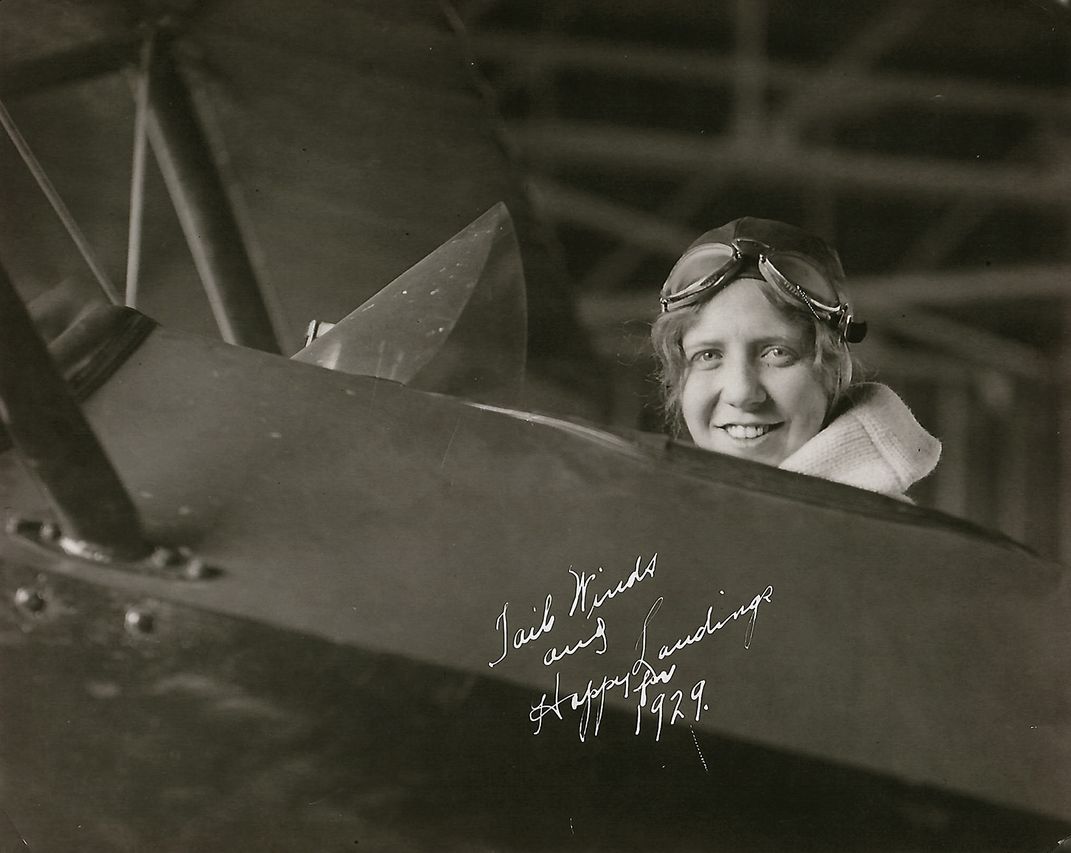
Although newspapers affectionately dubbed her “the little booster of air traffic,” Helen Stinner Ball did heavy lifting when it came to advancing aviation. While many aviatrixes of the era came from families of means, the six Stinner children had to work to support the family after their father died. Helen’s secretarial and bookkeeping skills got her hired by McKeesport car dealer Clifford Ball. When Ball’s fascination with aviation solidified in 1926 into helping to create (and have co-ownership of) the Pittsburgh area’s newest airport, Bettis Field, across the river from McKeesport, Helen became an active partner in producing air shows and developing commercial aviation there.
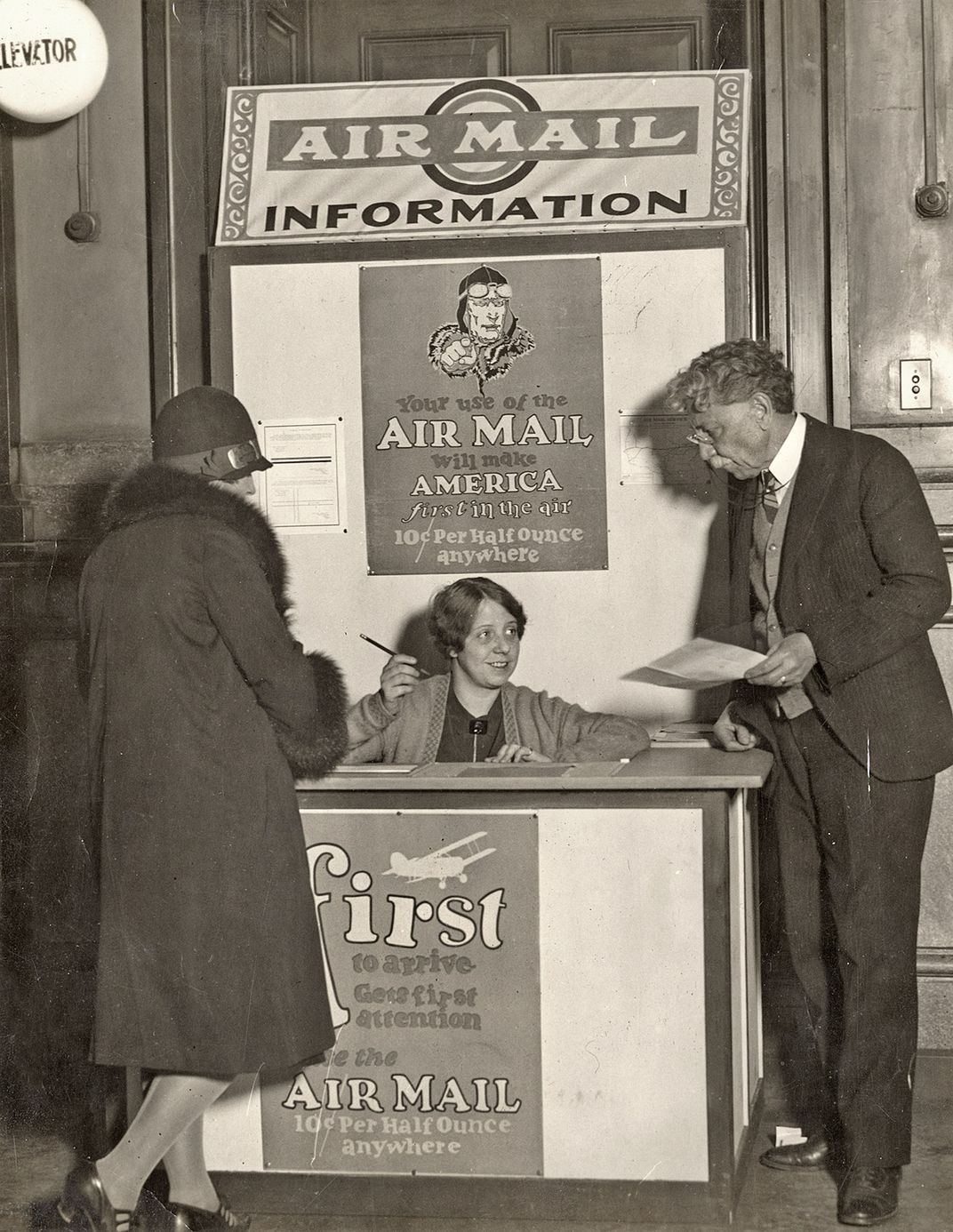
Much credit for the success of the 1927 Pittsburgh-Cleveland airmail route (one of the first 11 commercial contracts) rested with Helen. Setting up her portable information booth in countless regional post offices, she chatted with curious locals and made presentations at luncheons, women’s clubs, and civic meetings about how airmail worked.
Helen married Clifford Ball in 1929 and obtained a pilot’s license plus a plane gifted by her encouraging husband. Flying in those days was unpredictable and sometimes downright dangerous. Helen had her share of emergency landings, including one in an isolated empty field that quickly filled with two hundred curious onlookers and another on the eighth green of a foggy golf course.
Although she didn’t compete nationally, Helen was considered one of Pittsburgh’s “headiest” and most skilled pilots. She raced other women locally and racked up her share of wins, plus flew herself to visit friends and fellow aviators like Amelia Earhart and Ernie Pyle.
Helen Ball gave up flying in 1935 to focus on raising her daughter — joking that motherhood had “clipped her wings” — but remained a lifelong supporter of aviation.
HELEN MacCLOSKEY ROUGH
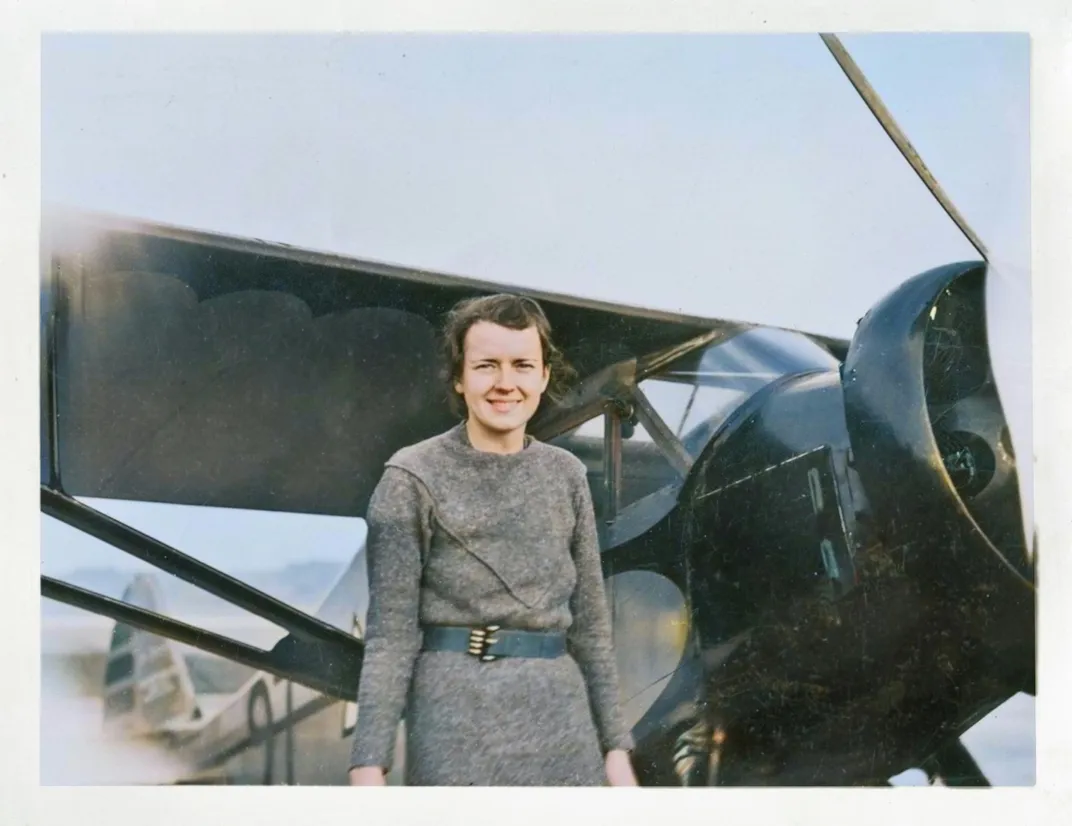
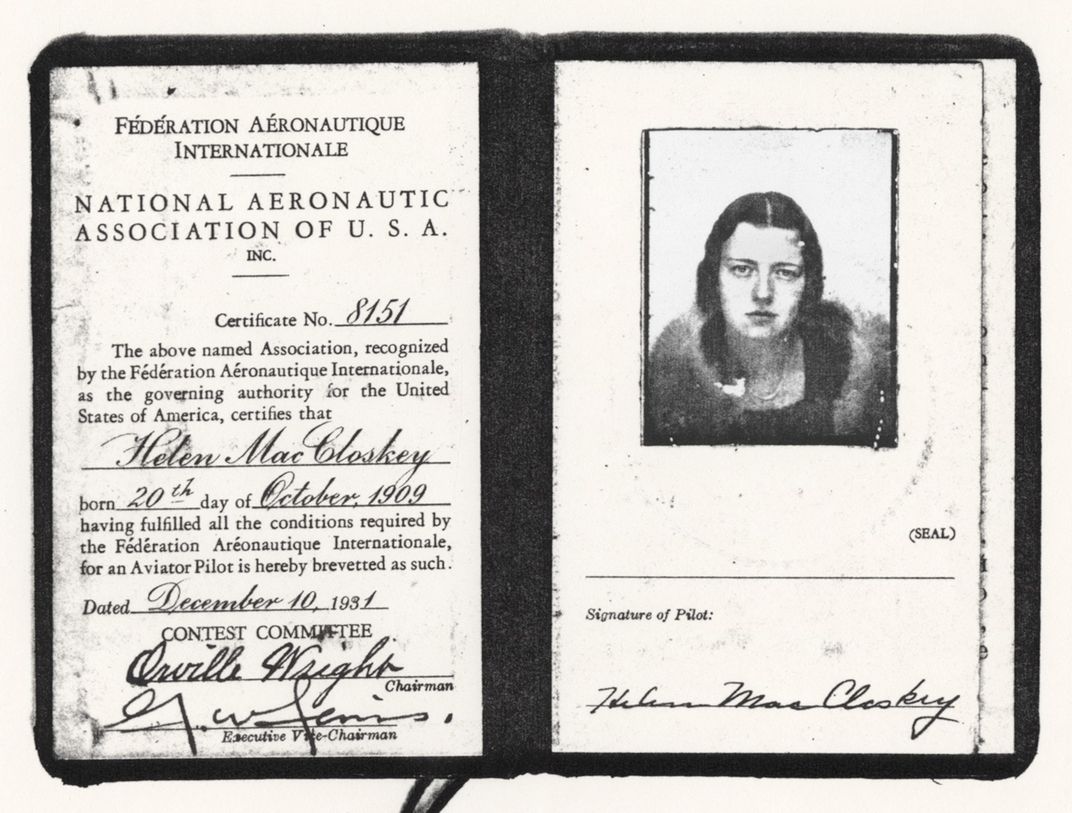
Helen MacCloskey was a Pittsburgh society girl who became a nationally ranked competitive pilot in the 1930s. After graduating from Wellesley College, she took flying lessons (in secret) while studying at Columbia University. Her parents were shocked when she earned her private pilot license in late 1930 at New York’s Roosevelt Field.
Helen didn’t stop there. She earned a limited commercial license and began exhibition flying, and in 1931 earned her transport license at Bettis Field. There were reportedly only 34 women pilots with transport licenses in the U.S. due to the rigorous qualifications of flying exercises and written exams in navigation, meteorology, flight theory, and airplane construction and operation.
Helen was fortunate that her family could afford to purchase a plane for her personal use, since owning her own bright red Monocoupe gave her a competitive advantage when other pilots had to borrow planes. Helen won local and national races and derbies, plus flew “air circus” demonstrations at her home field of Bettis and elsewhere in Western Pennsylvania.
With Pittsburgh’s D. L. Clark Candy Company as her National Air Races sponsor in August 1932, Helen was one of 10 pilots who flew the eastern leg of the transcontinental Cord Cup race from Oklahoma to Cleveland. She dubbed her little red plane Miss Teaberry for Clark’s Teaberry chewing gum and adorned it with a corresponding logo. At one point Helen was leading her division, but an oil line burst mid-flight. Covered in gobs of oil, Helen “throttled down,” and a quick fix with adhesive tape by a handy mechanic at the next scheduled stop put her back in the race. She came in a respectable fourth place, the leading woman in her division.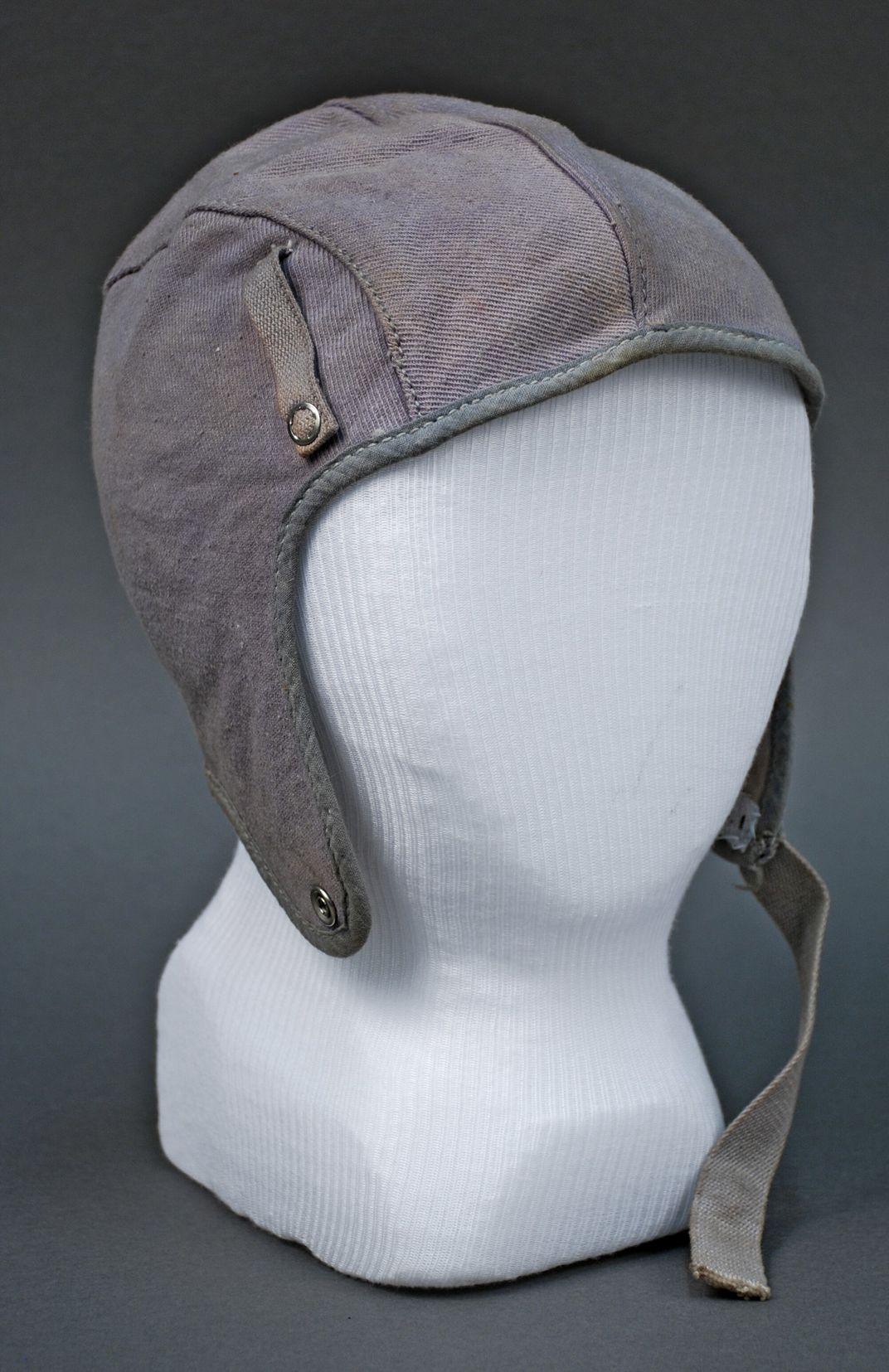
Helen established an impressive array of aviation “firsts,” including a January 1935 world air speed record at a 100-kilometer course at the Miami Air Races and a distance record a year later. She and three other aviatrixes with Pittsburgh ties became full-time national field representatives that year for the Bureau of Commerce’s National Air Marking program. They scouted rooftops or other suitable locations across the country where names of local towns or airfields could be painted to serve as flight navigation aids.
Helen’s career eventually led her into national aviation administration. During World War II she helped organize the Civil Air Patrol, and in 1944 she briefly served as Special Assistant Director to the Women’s Auxiliary Ferrying Squadron (WAFS/WASP) of the Army Air Forces.
HELEN RICHEY
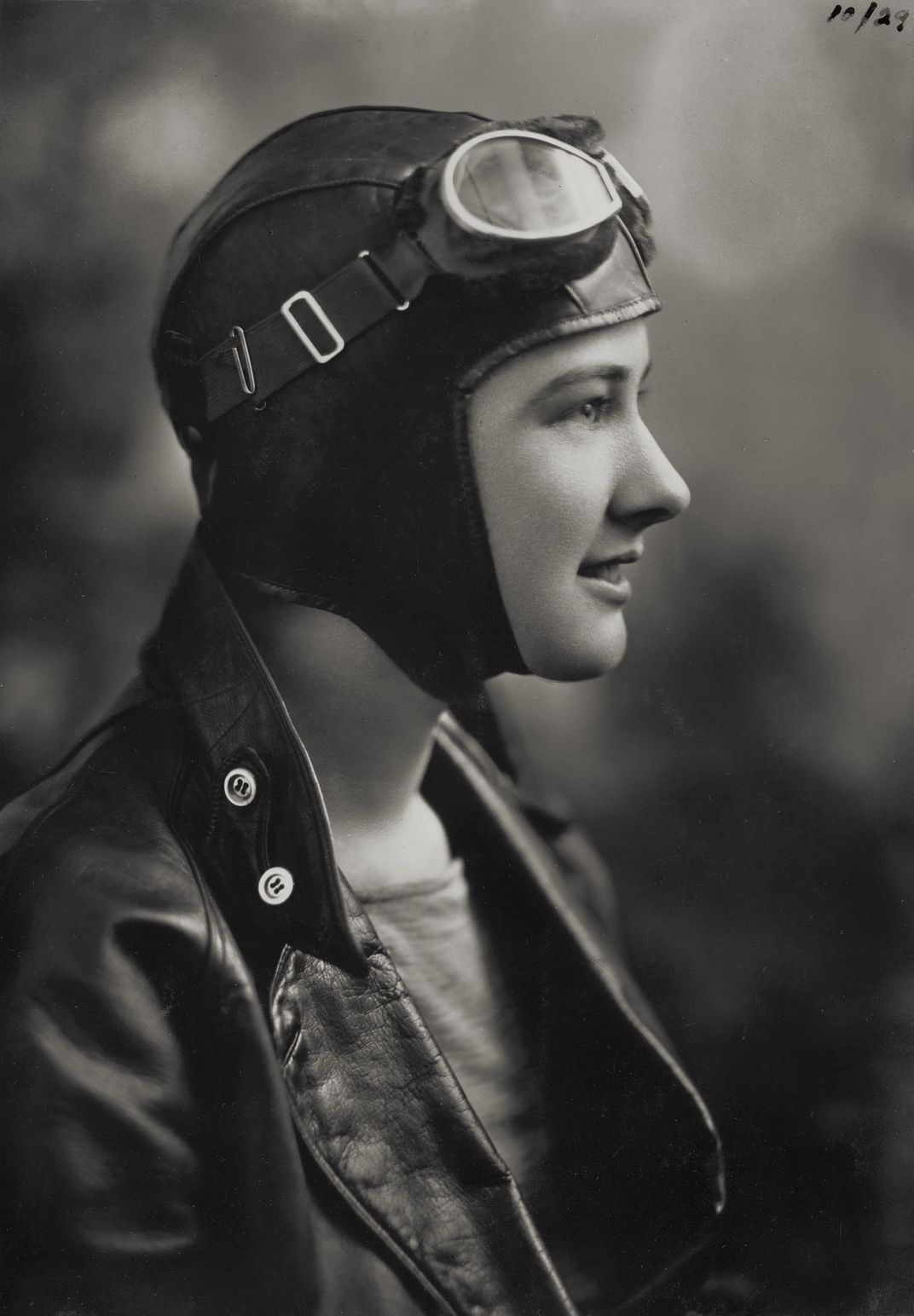
The most famous of Pittsburgh’s “three Helens” during the Golden Age of Aviation was Helen Richey. At a time when people still questioned whether women could handle flying, Helen proved again and again that they could — including with high-performance aircraft usually reserved for men.
Nineteen-year-old Helen made her first solo in April 1930 after only six hours of flight training, and within two months passed her private license examination before more than 12,000 people gathered for a Sunday airshow at Bettis Field. At another airshow six weeks later, she spontaneously completed complex aerial stunts for the first time that would become part of her exciting exhibition repertoire.
After obtaining a commercial license in December 1930, Helen put to good use her father’s gift of a three-passenger Bird biplane designed for both barnstorming and passenger flying. She pushed that Bird and its Cessna successor to their limits, entering races and establishing speed and endurance records. She and Frances Harrel Marsalis set a women’s endurance record in December 1933 in a Curtiss Thrush J named Outdoor Girl, for the cosmetics company sponsoring the flight. Circling Miami for 10 days, they took turns at the controls and remained continuously aloft for 237 hours and 42 minutes. The women completed 83 aerial refuels — although on one occasion the gas nozzle broke loose and tore a hole in the wing fabric, which Helen daringly climbed out on the wing to sew with needle and thread. In 1936, Helen set additional speed and altitude records, plus competed in the Bendix race with Amelia Earhart.
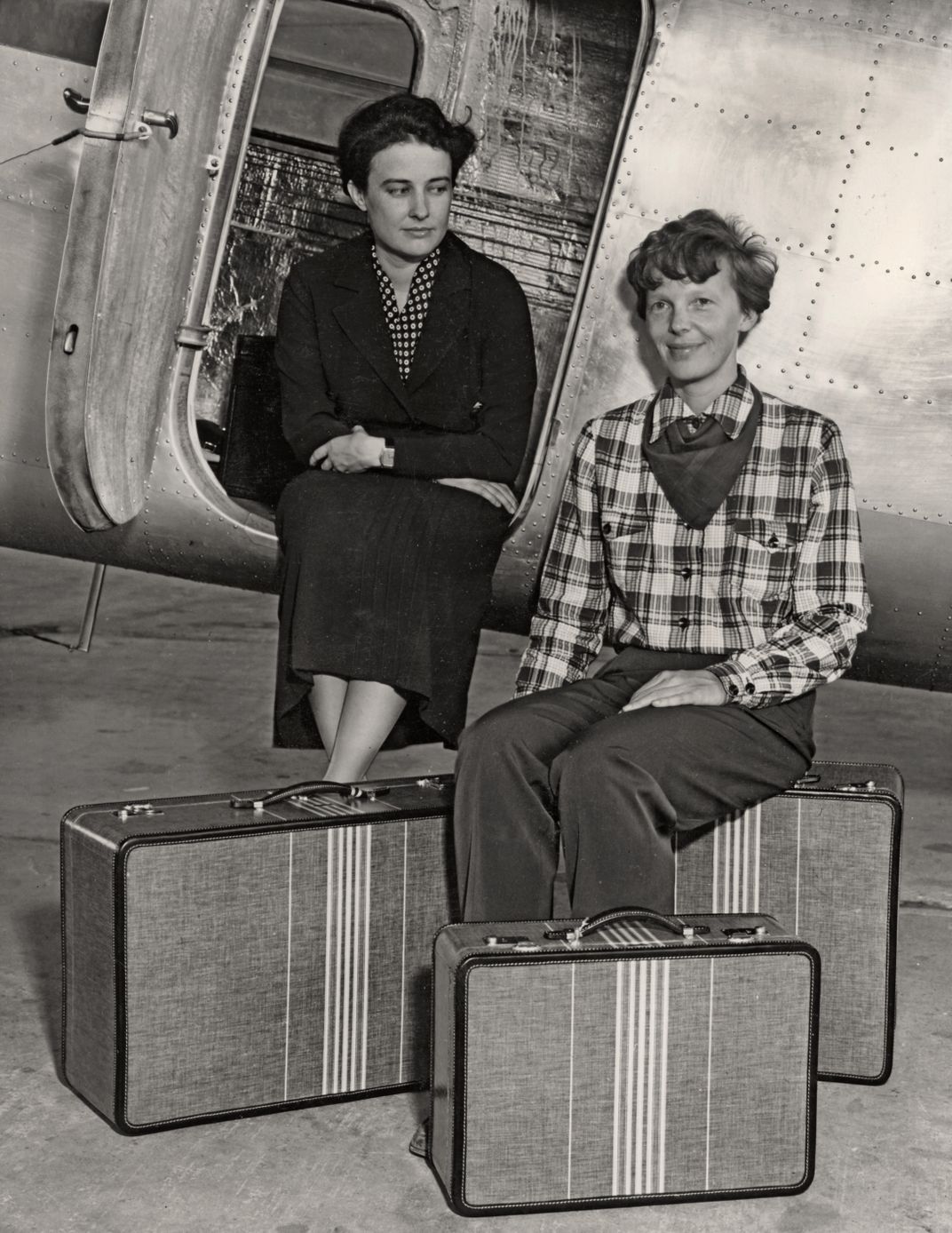
While she thrived on competition, Helen also wanted to make a living as a pilot. In November 1934, Central Airlines hired her to be the first woman ever to fly a commercial airliner. Helen was designated copilot on a 12-passenger Ford trimotor route delivering mail and transporting passengers between Washington and Detroit, with stops in Cleveland and her hometown of Pittsburgh. Unfortunately, disputes between the Airline Pilots Association and the Department of Air Commerce over the hiring of a female pilot led Helen to resign after eight months, having flown only 11 routes. Women would not fly commercial airlines again until 1973.
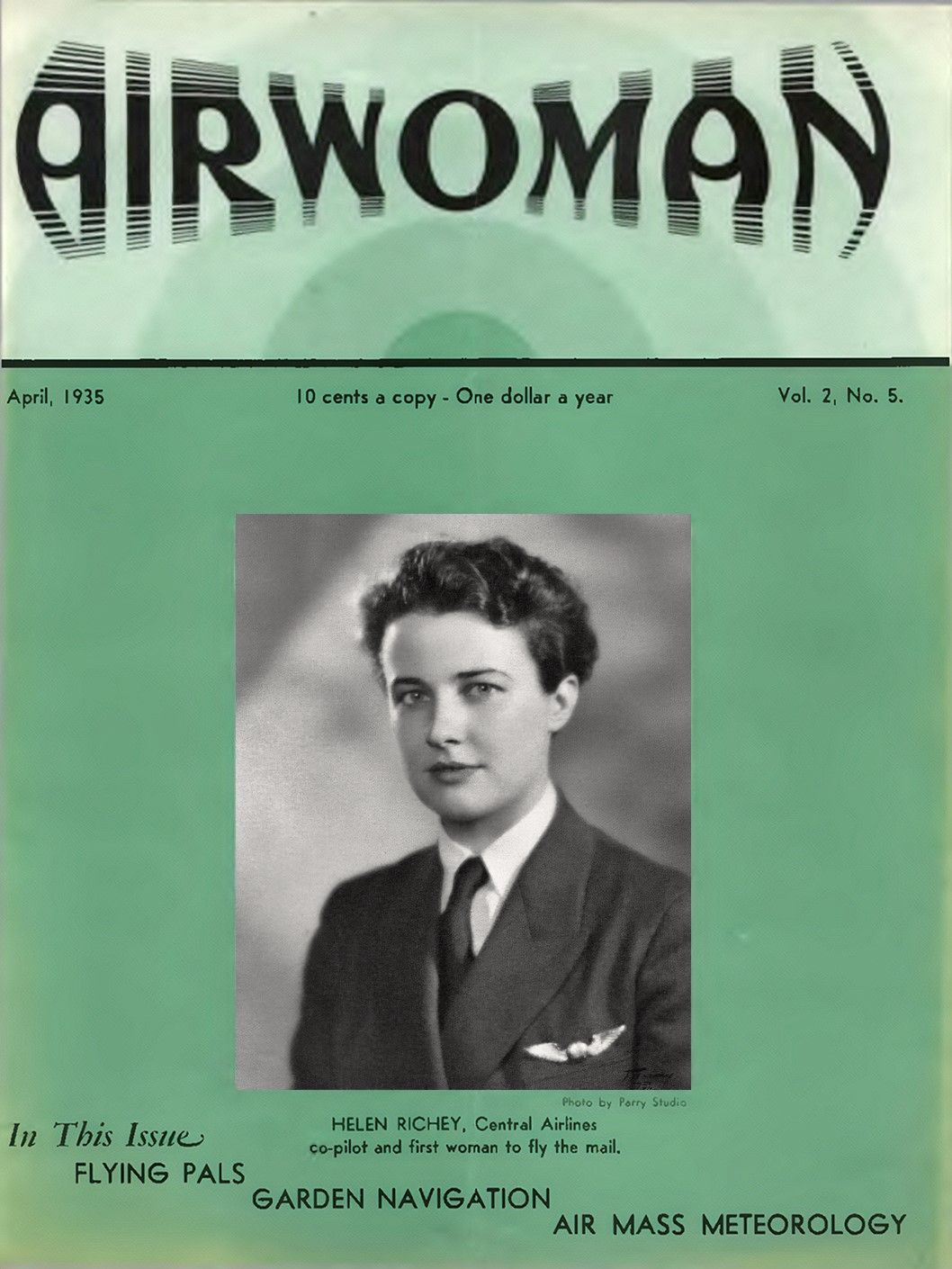
With post-war job opportunities prioritized for returning male pilots, a despondent Helen ended her life in her Manhattan apartment at age 37 on January 7, 1947.
Pittsburgh’s “three Helens” were more than top-rate pilots who shared a name. As the world expanded what it meant to be “air-minded,” they made history, and their collective accomplishments helped to change how women in aviation were perceived.
About the Authors
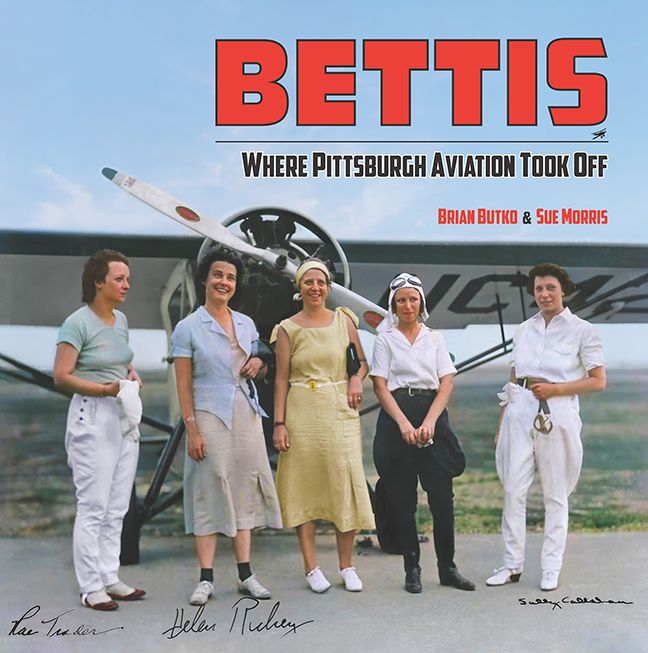
Sue Morris and Brian Butko are the authors of Bettis: Where Pittsburgh Aviation Took Off, published by the Senator John Heinz History Center, a Smithsonian Affiliate in Pittsburgh, Pennsylvania.
Sue is an award-winning author who writes about regional history as the Historical Dilettante and is a regular contributor to Western Pennsylvania History magazine. She continues to research the Monongahela House, Pittsburgh’s premier hotel of the 19th century.
Brian grew up near Bettis Field and graduated from Pittsburgh Institute of Aeronautics. He is the author of books on diners, the Lincoln Highway, Isaly’s and its Klondike Bar, and Kennywood Park. He is Director of Publications at the Heinz History Center in Pittsburgh.