Inside the National Zoo’s Aquatic Environments, a Dedicated Team Keeps the Water Clean, Cool and Salty
Hidden behind the scenes, life support system (LSS) staff are responsible for one of the most important jobs at the Smithsonian’s National Zoo: maintaining water quality
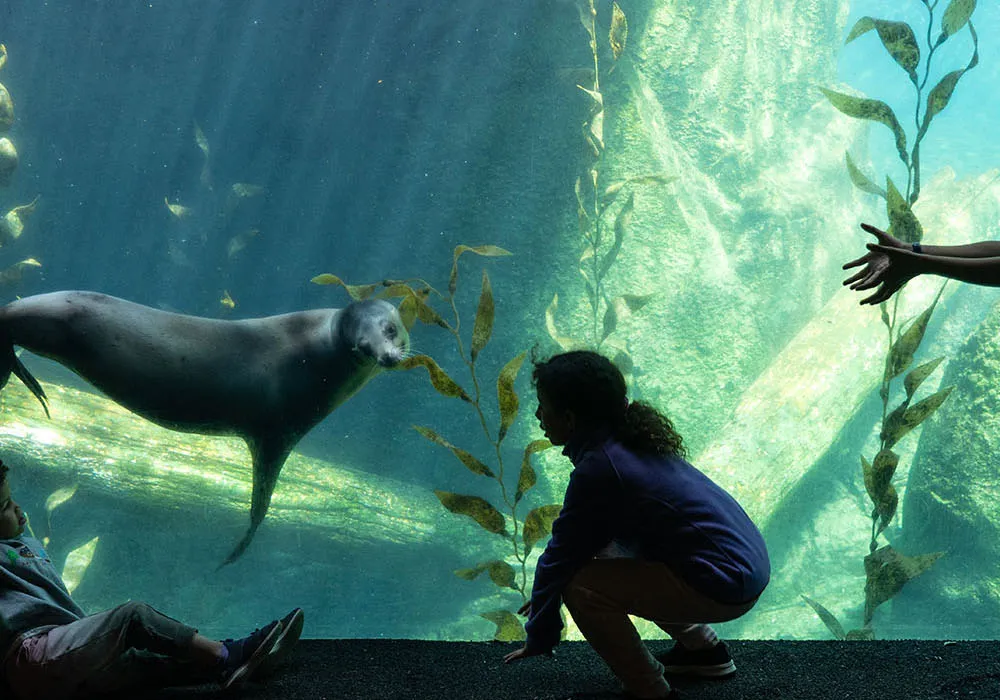
Beside a towering glass window, a crowd of visitors watches a sea lion glide through the water, arcing towards the surface to quickly snap up fresh herring.
Few of them notice the keeper tossing the fish from a distance. Fewer still reflect on the equally important routine unfolding in the building across the pool. There, a staff member carefully monitors a machine that mixes tons of salt into a massive water vat, ensuring that the exhibit water’s salinity matches that of the Pacific Ocean.
Though they often go unnoticed by visitors, staff on the life support systems (LSS) monitor the Zoo’s water habitats with the same level of care that keepers devote to the animals. Here’s how they keep the Zoo’s aquatic habitats running smoothly.
Maintaining an Ocean Habitat
American Trail is the largest of the Zoo’s marine habitats. Here, California sea lions and grey seals swim in a rocky coastal environment modeled on the natural coves found on North America's Pacific Coast. The sea lion pool holds 425,000 gallons of salt water, while the seal pool holds 140,000 gallons — a total volume roughly the same as four and a half million 16-ounce water bottles.
To keep these massive marine habitats natural and ocean-like, the LSS team relies on complex subsystems used to control water quality, temperature, pH and more. The machinery is tucked out of sight to improve the guest experience. “But it’s as essential to an animal’s quality of life as food or veterinary care,” said Rick Quintero, the Zoo’s LSS curator.
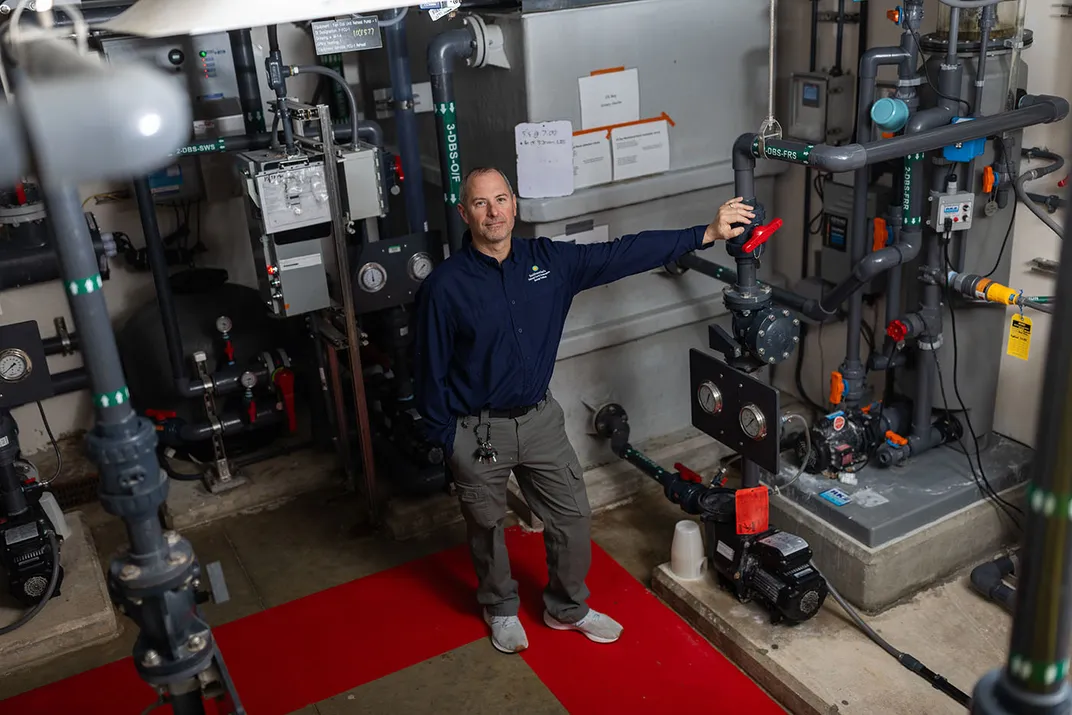
Importing fresh ocean water would be prohibitively expensive, so the LSS team makes its own. First, municipal water is piped into American Trail. Carbon filters strip out chlorine and organic contaminants, and the treated water is diverted into a 15,000-gallon mixing tank. The water is churned and mixed with air to keep it from stagnating, and then pallets of salt are slowly added until the mixture reaches a salinity level that matches the Pacific Ocean.
Once added, salt water constantly recirculates between the pools and the life support building. Automated systems pump and filter the water, removing debris and other contaminants before returning it back to the pool. For an extra layer of protection, an ozone disinfection system, added during a renovation in 2011, keeps water clear of harmful bacteria that cannot be captured by the filters.
Low-volume backwash processes mean the exhibit uses less water than similar pools built with standard techniques, and water never needs to be discarded. “Because we make all our own salt water at the Zoo, it’s important for us not to waste it,” said Nick Little, assistant curator of life support systems. “We only add a little at a time to replenish the water lost by evaporation. We recycle and reuse every gallon.”
Other Duties As Assigned
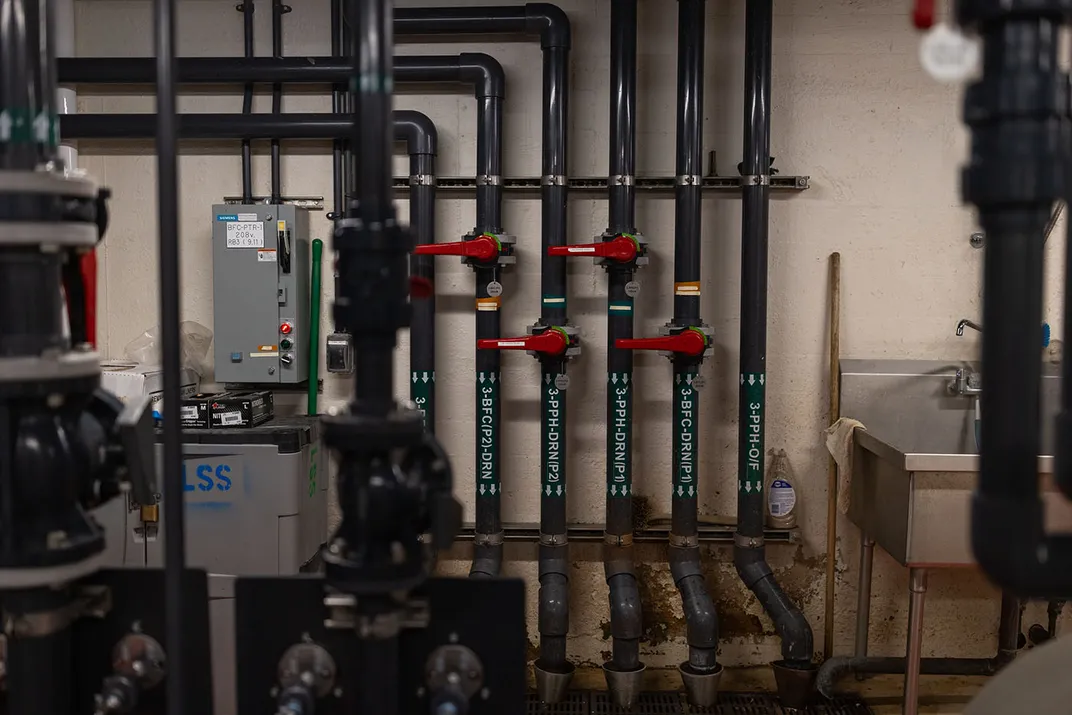
The LSS team handles everything that keeps the aquatic systems running smoothly, from monitoring water quality to ensuring that the plumbing, filtration, and complex exhibit-management systems are all all running smoothly. In a given day, each team member completes a mix of routine duties — things like systems inspections and water quality tests — along with some unusual jobs, like assisting keepers when they need to ship an aquatic animal to another Zoo.
On occasion, team members are literally required to dive in to fix an issue. At American Trail’s seal and sea lion pools, algae and debris can be difficult to remove with filtration, so LSS staff routinely strap into scuba gear to scrub windows and clear drains by hand.
Assisting in a Big Lift
Apart from clean water, another important factor of an aquatic animal’s habitats is temperature. For seals and sea lions on American Trail, this means cool water in the summer and warm water in the winter.
In 2025, Quintero and the LSS team coordinated with Zoo engineers to replace the exhibit’s water chillers, the pair of machines that regulates the American Trail’s pool temperature. Each chiller is about the same size as a shipping container and weighs nearly 100 tons. These chillers are installed in a support facility nestled into the side of a natural valley, with no easy access for large-scale haulers. So, to replace them, Zoo staff temporarily installed a massive mobile crane — the largest available on the East Coast — to lift out the old machines before placing and reconnecting the new ones.
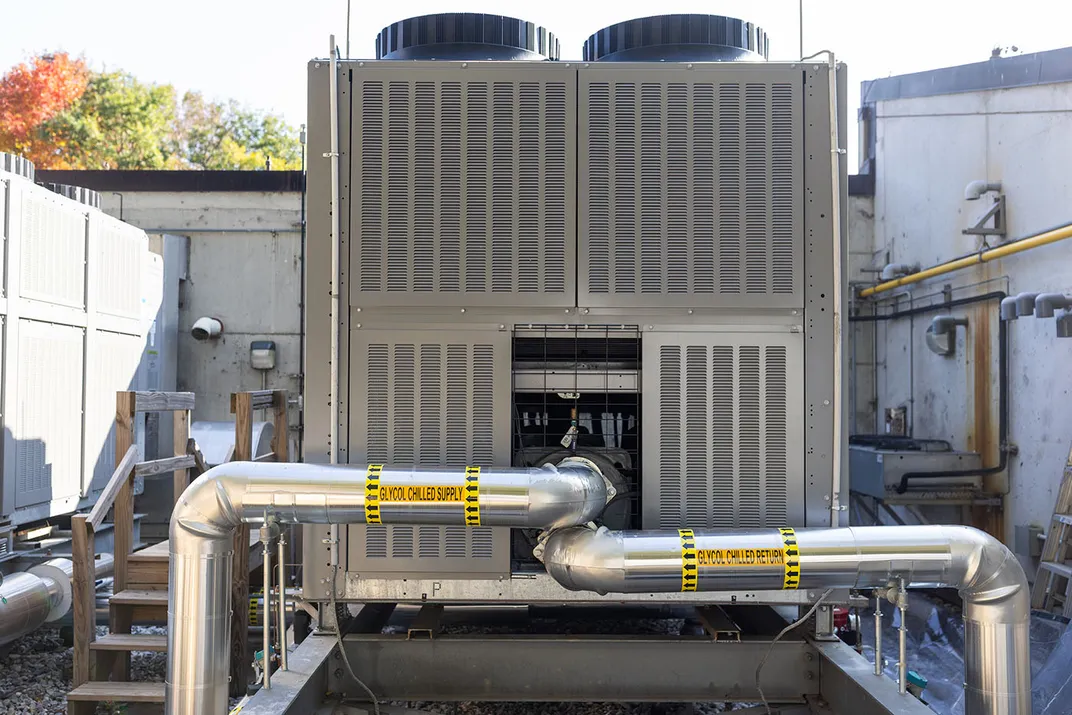
The chiller swap isn't the first time the facility has been refitted to better meet the animals’ needs. The original seal and sea lion complex dates to 1978; a $42 million renovation, completed in 2012, redesigned the pools and refitted the existing life support systems to their current high-efficiency setup.
Replacing the chillers took years of careful planning, and the operation was so large in scale that the entire Zoo had to be closed to visitors while the crane hoisted the machines overhead. Still, it was worth it, said Quintero. “When we invest in systems like these, we’re investing in the well-being of the animals in our care.”
From Ocean to Bay
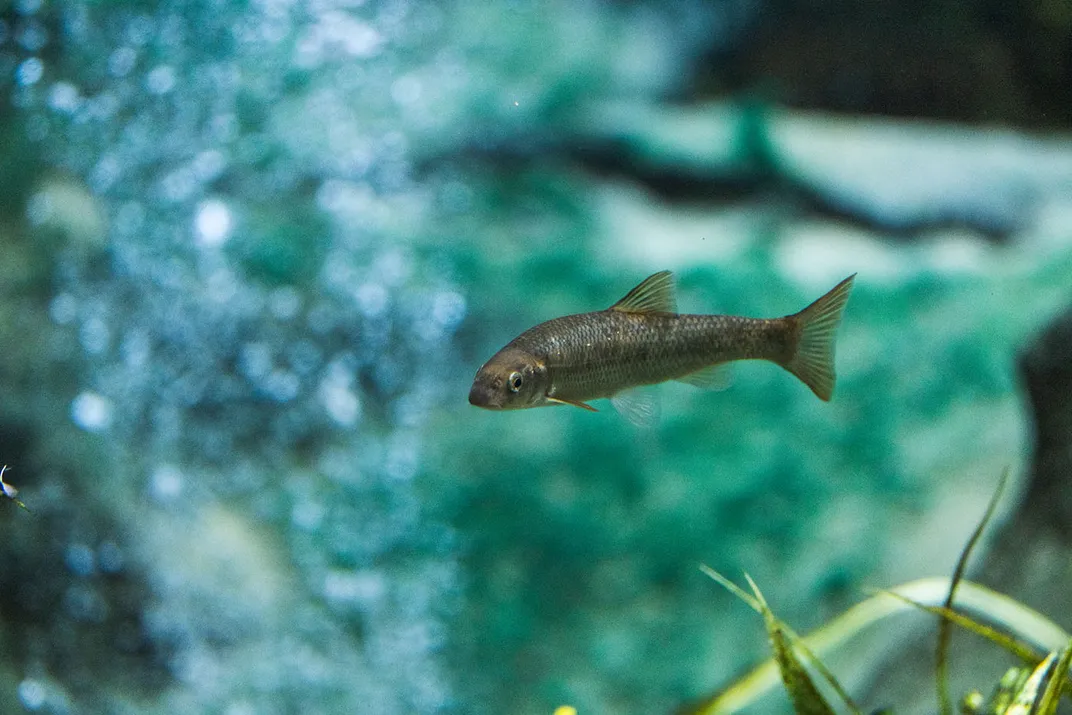
Although the Zoo has a pair of major saltwater habitats —the deep-water marine mammal pools on American Trail and the indoor shorebird aviary at the Bird House — the two are designed oceans apart. The Bird House’s Delaware Bay habitat is home to a sandy beach nestled between several large freshwater and saltwater pools. The largest holds 5,500 gallons of salt water, complete with horseshoe crabs and minnows swimming under the surface.
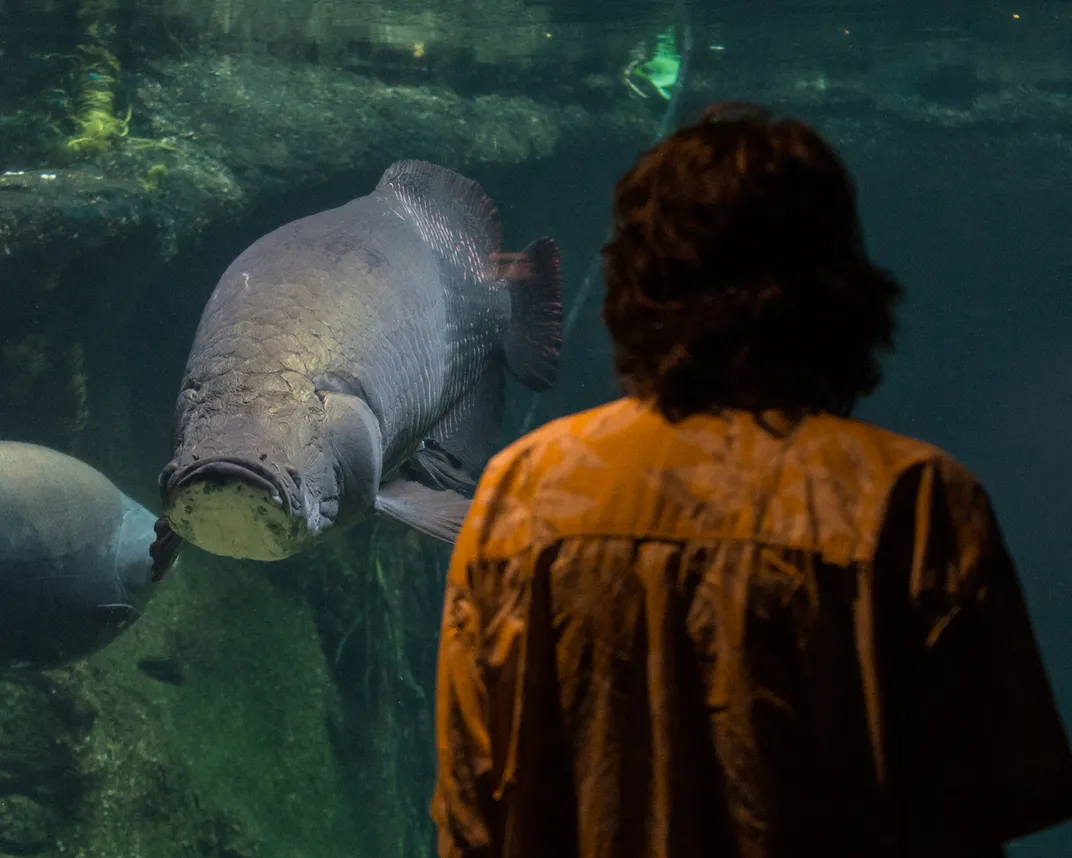
Unlike the air-breathing seals at American Trail, the Bird House’s underwater species draw the oxygen they need to breathe from the water itself. So at the Bird House, LSS staff not only keep close tabs on filtration processes and salinity levels, but also carefully monitor the amount of dissolved oxygen held within each pool. The team also performs quality checks on ammonia, nitrites and phosphate levels, as well as trace elements like magnesium, calcium and iodine, at levels calculated to match the real Delaware Bay’s water conditions.
Bringing the Zoo Together
Because no two animals are the same and no two habitats are the same, the LSS team's work requires an unusual amount of flexibility. “Unlike most of the staff at the Zoo that focuses on one area or type of animal, our work takes us around the entire park,” said Little. “There’s so much diversity in maintaining all the equipment in our moats, pools, ponds and streams... every day is unique.”
The culmination of all this hard work? Seeing animals healthy and thriving in a setting that creates powerful moments for visitors, said Quintero. “Our work benefits not just the animals who get to behave like they would in the wild, but the visitors who get to see them thrive in their natural setting.”
Want more animal care news? Sign up to receive the latest email updates and information on Zoo news, events, volunteer opportunities, and more.
Love sea lions? Your donation helps protect them in the wild through Smithsonian conservation and research programs. Learn more or make a donation.