Once This Family of Wasps Evolved Into Frighteningly Efficient Parasites, There Was No Going Back
Scientists have long puzzled over the evolution and parasitic tendencies of Darwin wasps. New DNA research provides the clearest look yet at the evolution of this species-rich family of killer insects
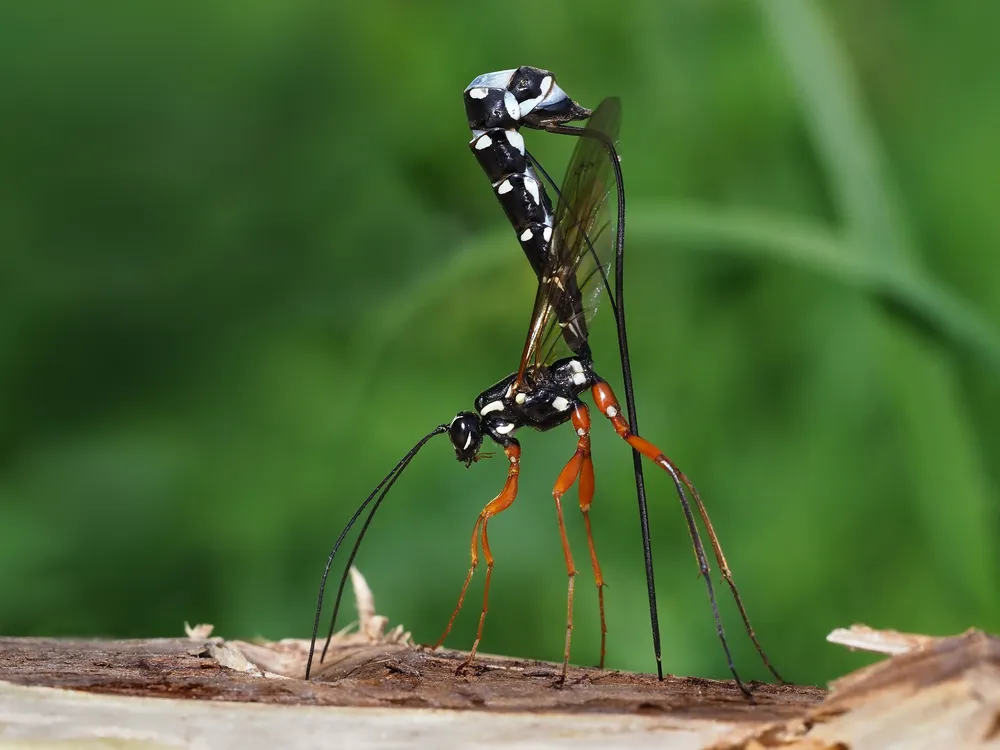
Studying insects is not for the faint of heart. Especially when it comes to Ichneumonidae, a family of parasitic wasps that has diversified into a dizzyingly large number of species that may dwarf the number of all known mammals, birds and fish combined. This sprawling group is found in all types of terrestrial environments on every continent except Antarctica, making it difficult for researchers to track their distribution and evolution.
Some scientists, including Charles Darwin, have also found these wasps intimidating for a much different reason: the ichneumonids’ parasitic practices seem particularly perverse from a human perspective. Adult ichneumonids inject their eggs into the bodies of caterpillars, spiders and other arthropods. Once the larvae hatch, they feast on their host’s organs. And they often save the vital bits for last, ensuring that the host remains alive for much of their demise.
This practice filled Darwin with existential dread. In an 1860 letter to the American botanist Asa Gray, Darwin wrote: “I cannot persuade myself that a beneficent & omnipotent God would have designedly created the Ichneumonidæ with the express intention of their feeding within the living bodies of caterpillars.” (One can only imagine what Darwin would think of these troubling insects being named in his honor — a 2019 conference of ichneumonid experts in Switzerland bestowed the group with the common name “Darwin wasps.”)
To understand how Darwin wasps evolved into such horrifyingly effective parasites, a team of entomologists used museum specimens to extract DNA from nearly 700 species across Ichneumonidae. They used this genetic database to create the most comprehensive evolutionary tree of this massive family to date. Their findings, published today in the journal Current Biology, reveal that once Darwin wasps evolved certain parasitic strategies, there was no going back.
The research caps a decade of work for lead author Bernardo Santos, a research entomologist at the Museum für Naturkunde in Berlin and a research associate at the National Museum of Natural History. In 2016, Santos began a four-year stint as a Peter Buck postdoctoral research fellow at NMNH where he was advised by research entomologist Seán Brady, senior author on the new paper and curator of Hymenoptera, the order of insects that contains ants, bees and wasps.
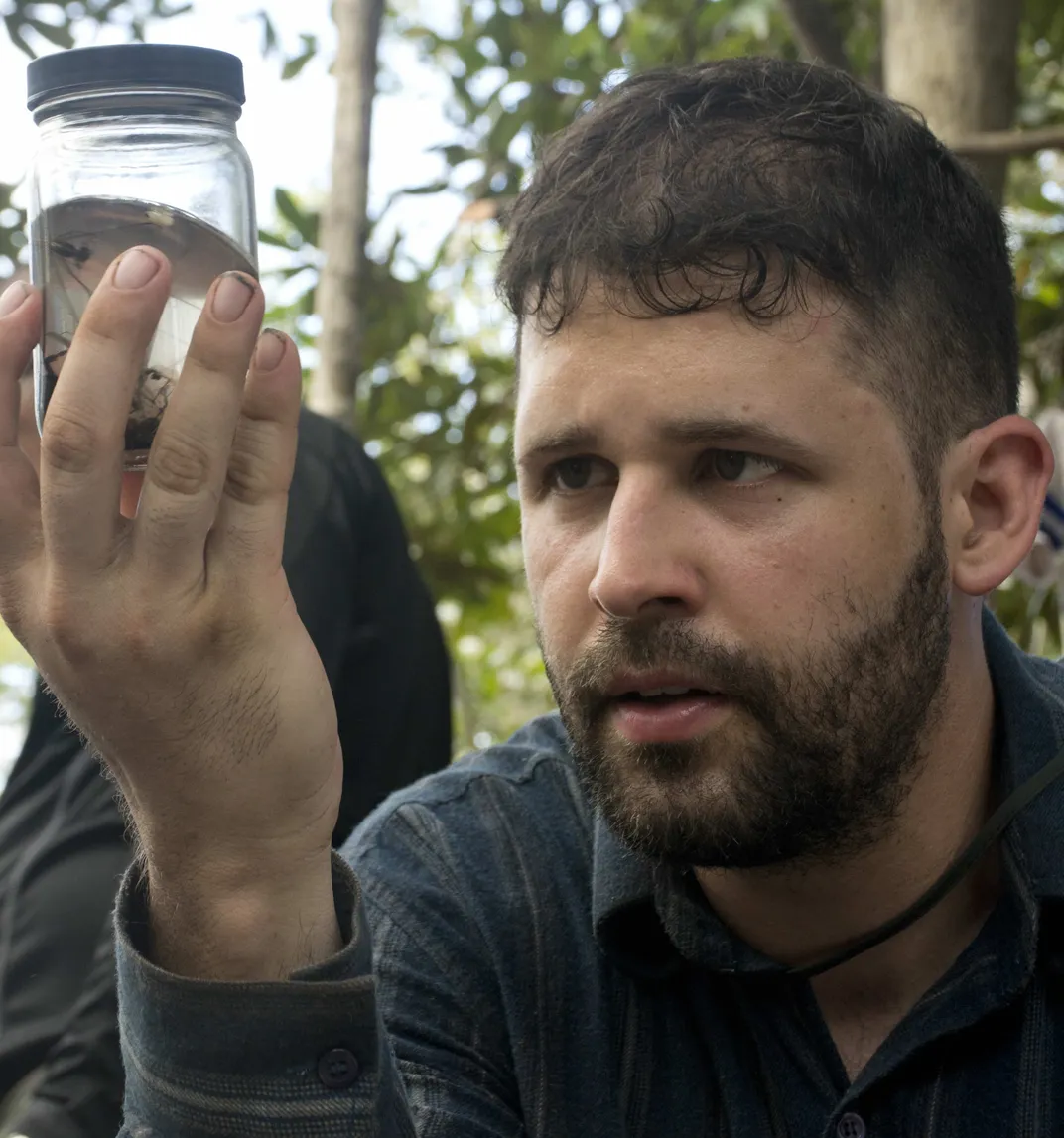
In the museum’s insect collection, Santos discovered that Darwin wasps were the ideal subject for his lifelong interests in animals and collecting things. “Once I started delving into the huge diversity of wasps, I was sold,” Santos said. “There were so many different kinds it was overwhelming at first, and trying to make sense of all that seemed like the coolest scientific endeavour of all.”
Darwin wasps offer no shortage of research opportunities. In the 150 million years since they began terrorizing other insects during the Late Jurassic, the family has diversified into one of the largest groups of insects on the planet. Researchers have described roughly 25,000 species of Darwin wasps, which is thought to account for only a quarter of the group’s true diversity.
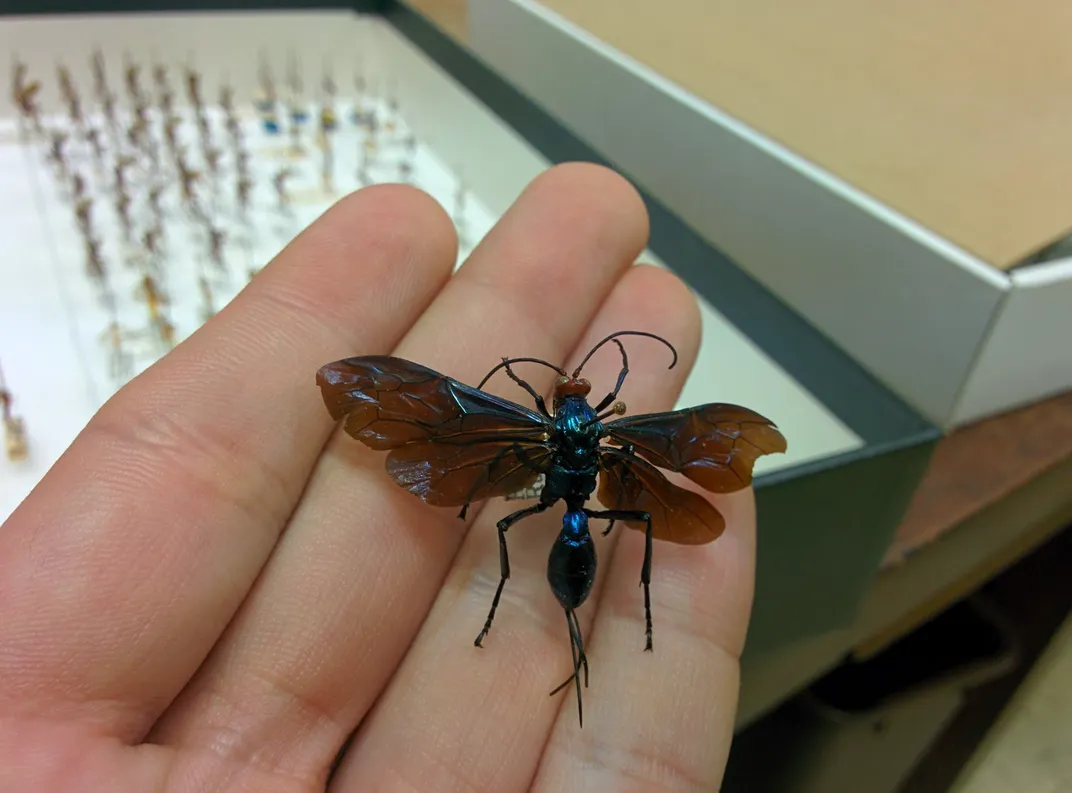
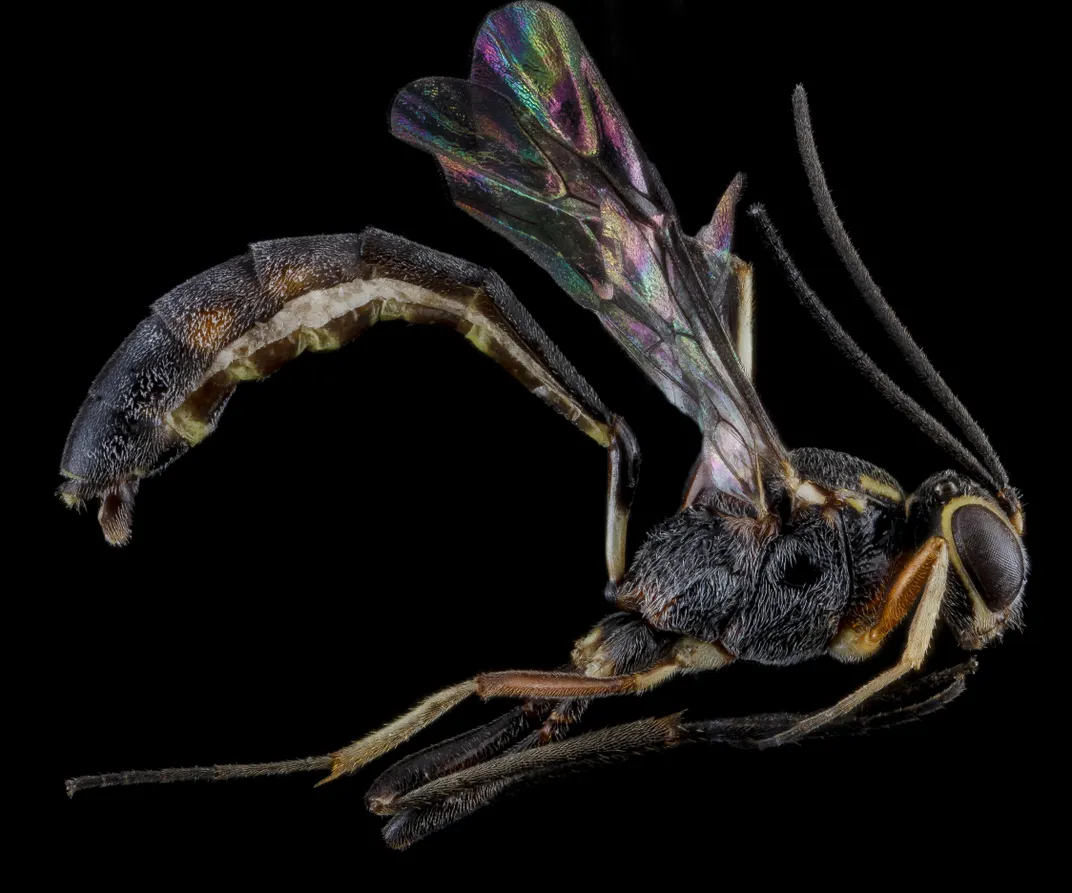
Darwin wasps share a few common traits. As adults, these wasps are free-living insects that sport large compound eyes, flexible antennae and a long stinger, or ovipositor, that injects eggs as well as venom. Many Darwin wasps deposit their eggs inside caterpillars although certain species prefer using moths, flies or adult spiders as hosts. Some Darwin wasps are hyperparasitoids that lay their eggs inside the larvae of another ichneumonid that is inside another host, creating a nesting doll of parasites. “The original wasp thinks that it has it made and it's going to eat its way through this caterpillar and then this other wasp comes along and lays its eggs into the first wasp and kills it,” Brady said.
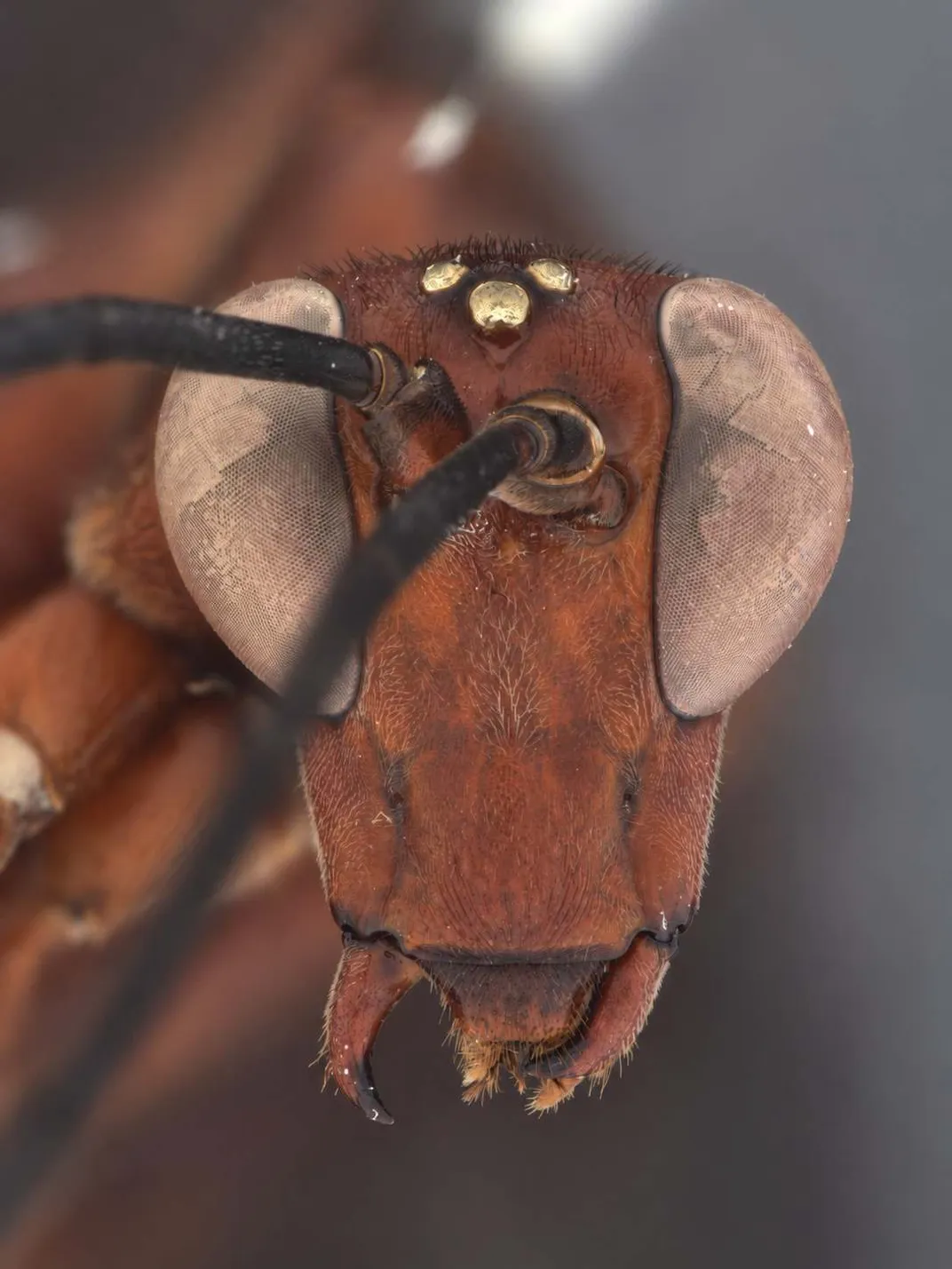
When the eggs hatch, the larval wasps are treated to an all-they-can-eat buffet of their host’s flesh and organs. The larvae of many species first feast on non-vital structures like digestive organs, saving the heart and nervous system for last and ensuring their homely meal stays fresh.
To access hosts, Darwin wasps have utilized a variety of behaviors and structures. Some use their antennas to detect the vibrations of prey inside of wood while others inject deadly viruses into their hosts along with their eggs. Santos notes that many Darwin wasps alter their host’s behavior to benefit their offspring. Wasp larvae in the genus Polysphincta modify their host spider’s web-building to construct a web that protects the wasp as it metamorphosizes. “Only then the wasp kills the unfortunate spider host,” Santos said.
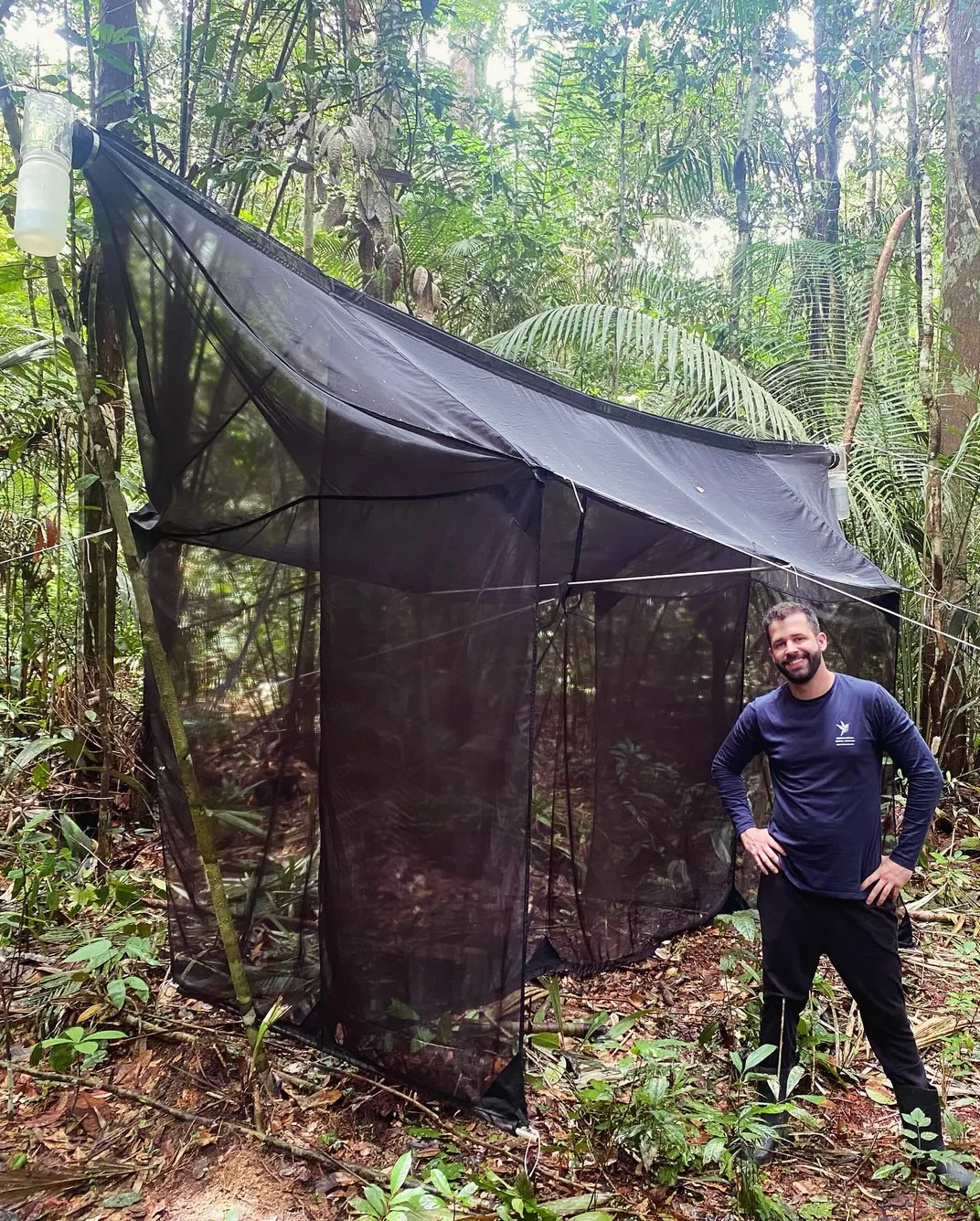
To determine how Darwin wasps evolved into super parasites, Santos, Brady and their team collected genetic data from hundreds of species of Darwin wasps that represented each of the subfamilies in Ichneumonidae. They utilized a technique that helped them harvest snippets of DNA from museum specimens that were collected up to 70 years ago. Having access to these museum specimens “made a huge difference in a group so diverse with so many rare species,” Santos said.
Once the scientists compiled the genetic dataset, they crafted an evolutionary tree for Ichneumonidae that charted the relationship between the various lineages of Darwin wasps and shed light on how each evolved their parasitic strategies.
The tree revealed that some parasitic strategies are an evolutionary one-way street. While they may carve up their prey in different ways, Darwin wasps have evolved two main strategies for infiltrating their hosts. Some wasps use their venom to paralyze a host, which lets their larvae grow inside an incapacitated carcass. Other Darwin wasps inject their eggs into a house without paralyzing the animal. This allows the animal to continue to move and function until the wasp larvae hatch and wreak internal havoc.
Based on the new data, it appears that paralyzing their host is a simpler strategy that allows Darwin wasps to parasitize a broader group of hosts. “If you’re just paralyzing your host, then you can paralyze potentially anything,” Brady said. The other strategy where larvae live inside another animal is more complex because the offspring need to be attuned to conditions inside their hosts.
This complex parasitism strategy has evolved dozens of times across Ichneumonidae according to the researchers. And the data reveals that once Darwin wasps evolve this strategy, they are unlikely to go back to simply paralyzing their prey. “We have this evolutionary one-way street where you have two fundamentally different modes of parasitism, and you can go in one direction, but it's almost impossible to go back in the other direction,” Brady said.
Shedding light on how Darwin wasps hunt their hosts may seem like little more than a scientific curiosity akin to an entomologist profiling an insect serial killer. But these insights have some real-world implications. Darwin wasps keep populations of insects in check, including several pests that devastate crops. Understanding how these natural sources of pest control evolved is a boon to agriculture around the world.
Farmers are not the only ones who should be celebrating the new work. “It’s incredible to finally see the paper out,” Santos said of the study he has worked on for nearly a decade. “I was saving a bottle of champagne specifically to pop on the publication date.”