

The Black Church Began as a Place of Faith and Freedom. Here’s How It Shaped American History
Explore the origins of the Black Church and how generations of African Americans transformed faith into a powerful force for freedom, community, cultural expression and social change
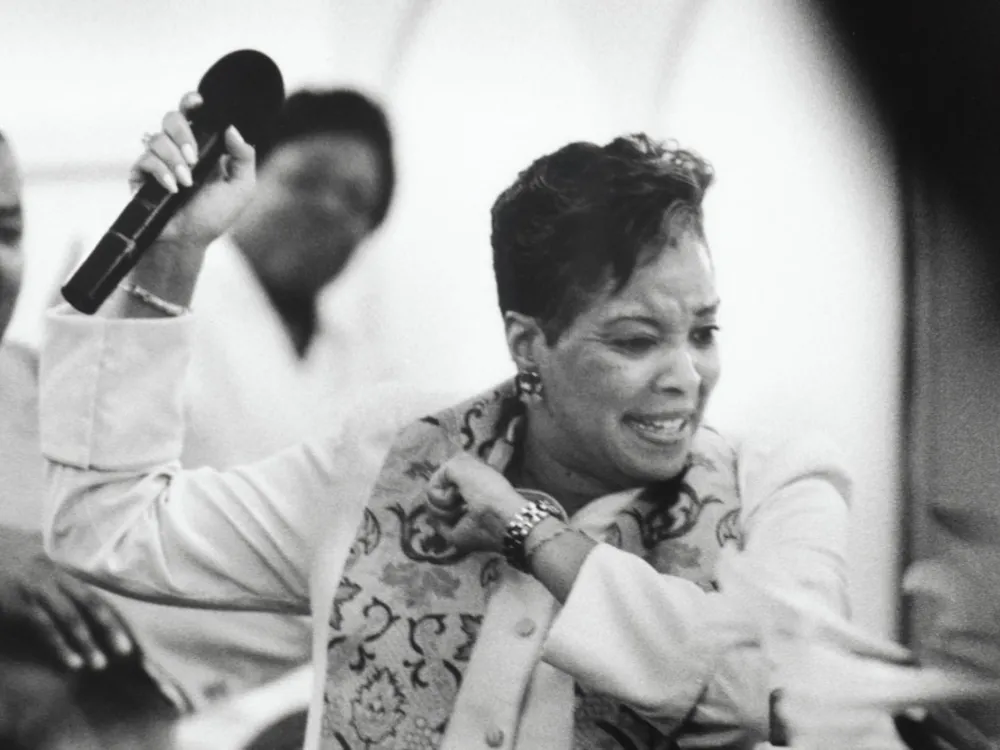
The origins of the Black Church extend beyond the official founding of the nation in 1776. Before the buildings were erected and the pulpits installed, the Church began with the people.
Before slavery, most Africans practiced indigenous religions or Islam. While few came to the Americas with exposure to Christianity, their faith developed alongside the country, and often despite their enslavers. During the colonial period, religious scholar Albert J. Raboteau argued that most enslavers had little interest in spreading the gospel to the Black people laboring in their fields and homes. In fact, many were afraid that gospel instruction and baptism would require that the enslaved be freed.
States began to pass laws to ensure that religious conversion did not mean manumission. And even if they took an interest in "saving the souls" of those they enslaved, that interest was often centered on making the people more obedient workers. However, enslaved and free Black people still built their own theologies and their own worship spaces where they "got some real preachin'." (Slave Religion, 214)
“The preacher came and…He’d just say, ‘Serve your masters.’ […] Same old thing all the time. My father would have church in dwelling houses and they had to whisper […] That would be when they would want a real meetin’ with some real preachin’.”
– Lucretia Alexander, “God Struck Me Dead”
Faith beyond the sanctuary
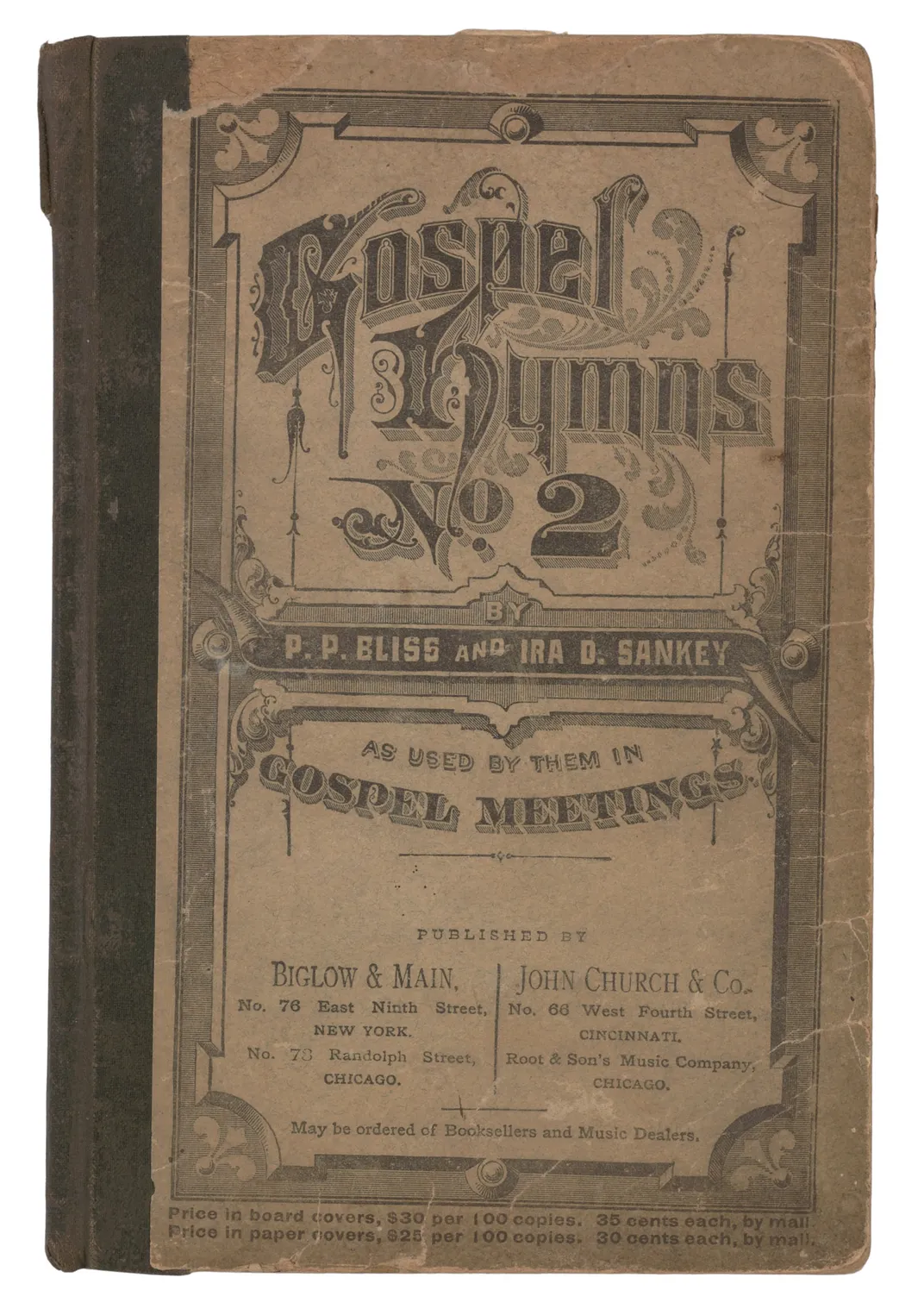
While enslaved, Black believers met in cabins, homes and hush harbors, which were secret places, often in the woods, where they could worship freely. Black people developed their own understanding of the gospel, one that made space for them to experience the fullness of their faith. For Harriet Tubman (1822-1913), the pursuit of freedom from slavery was both a physical and spiritual struggle. She believed God wanted her to be free, and she carried this hymn book, despite not being able to read it, as a symbol of her faith.
“God's time is always near. He set the North Star in the heavens; He gave me the strength in my limbs; He meant I should be free.”
– Harriet Tubman
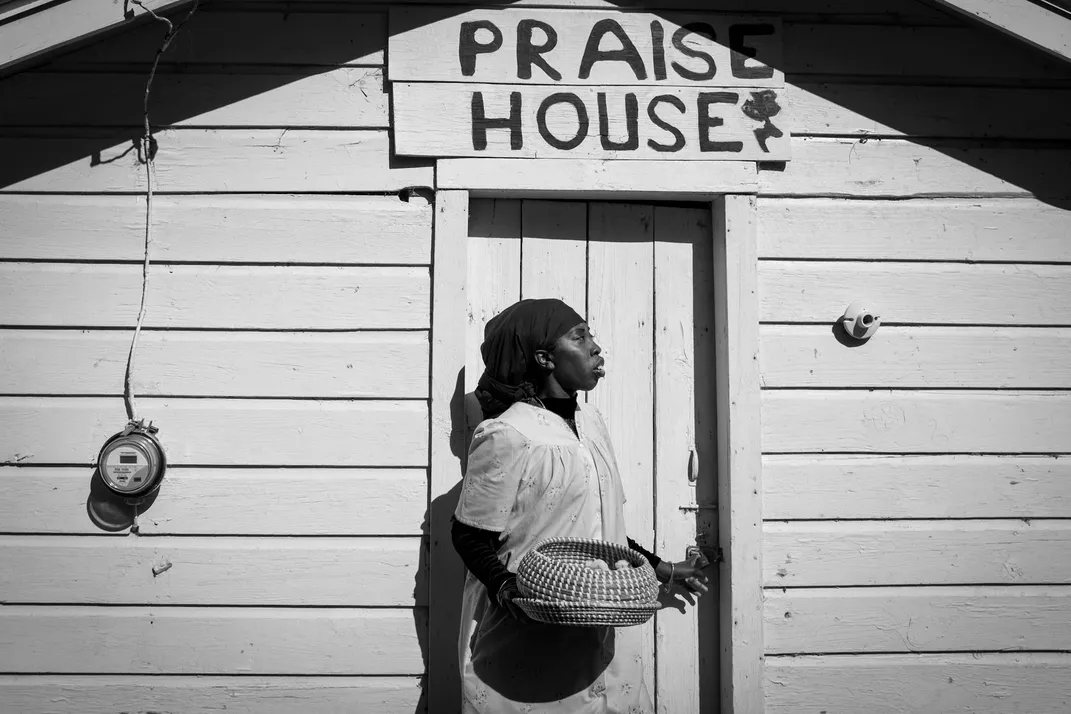
Building Black communities of faith
Freed Black people also began building their own churches where they could. The development of individual churches and denominations before and after Emancipation is one of the earliest demonstrations of a commitment to build collective institutions that could support communities from the cradle to the grave. By contrast, other denominations and churches often only allowed Black congregants minimal roles in worship and devotion, if they were allowed to participate at all.
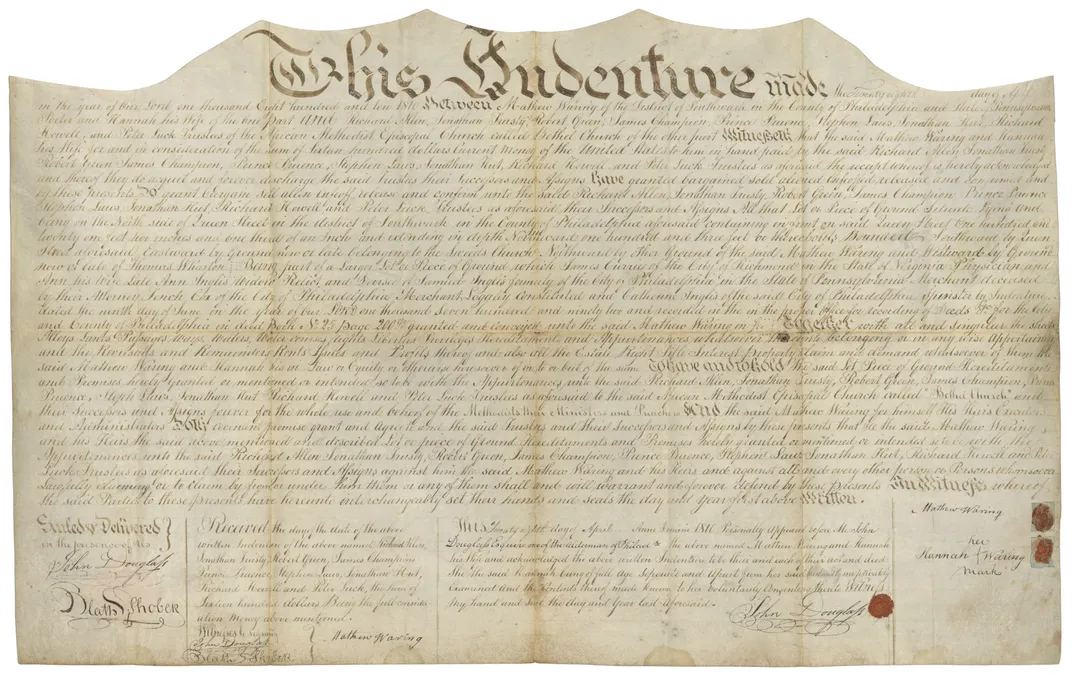
In 1787, the Rev. Richard Allen (1760-1831), a freed minister in the Methodist Episcopal church, walked out of St. George's Methodist Episcopal in Philadelphia, Pennsylvania, with the Rev. Absalom Jones (1746-1818) and others after being turned away from praying at the altar and told to worship in the balcony. Initially choosing to stay connected to the Methodist Episcopal church, Allen started what would become known as Mother Bethel. Allen and the congregation developed the church into a center for mutual aid, providing services to the entire Philadelphia community, including vital support during the Yellow Fever epidemic of 1793. The church would also become the foundation of the African Methodist Episcopal denomination, officially established in 1816. This land indenture from 1810 confirms the church's ownership of its land, which protects it from forced sale or repossession. It remains the longest continuously owned piece of property by African Americans in the country, a testament to their resilience.
A center of Black life and culture
The physical church space was not only a place to gather on Sundays to worship, but also a hub for many Black communities. As one of the few places of Black communal land ownership, the church had the space to hold a range of gatherings important to the lives of members and their communities, from celebrations and funerals to political organizing. Churches also became fertile ground for the development of Black cultural, theological and social production across music, art, literature, politics and other areas. Artists, thinkers and entire genres of culture emerged from these churches.
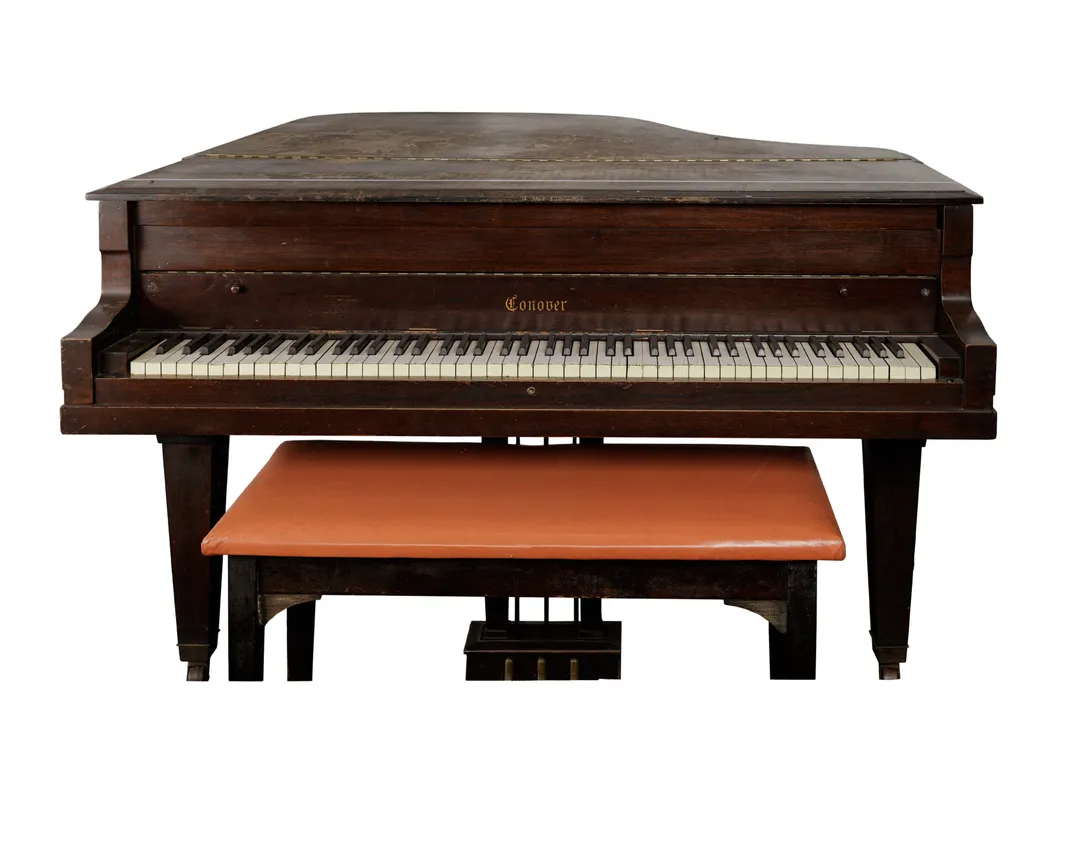
Inspired by the spirituals and hymns sung in the fields and early worship spaces, gospel music also developed in the Black Church. This piano belonged to Thomas Dorsey, known as the father of gospel music. His song "Precious Lord," composed after the death of his wife and child, ushered in a new style of musical worship. This style was not always accepted early on, but eventually, gospel music became a centerpiece of the Black Church experience with artists such as The Clark Sisters and Kirk Franklin reaching audiences inside and outside the sanctuary.
Faith in a changing world
As the Black Church developed, new theologies emerged that challenged teachings that excluded Black people. In the 1960s, the Rev. James Hal Cone (1938–2018) developed Black liberation theology, drawing inspiration from the Black Power Movement and Malcolm X, as well as the spiritual and social teachings of Martin Luther King Jr. This theology argues that resisting injustice and pursuing Black freedom from all forms of oppression are necessary to fulfill the call of the Christian gospel. Cone's call for more responsive theologies developed alongside womanist theology, which sought to address both sexism and racism in Christian doctrine. Inspired by womanism, a term coined by feminist writer Alice Walker, womanist theology was developed by theologians Renita Weems, Delores S. Williams and others.
While attendance and participation in religious organizations have declined, pastors, teachers, singers, artists and others continue to make the Black Church a relevant force for change. Congregants are calling on churches to remain responsive to their needs while being more inclusive of women, LGBTQ+ people, people with disabilities and other marginalized groups. And churches continue to develop new ways of worshiping and connecting with one another and their faith.
Upcoming Event: Forward Religions Conference 2026: Welcome Home
Join us November 13–15 to commemorate more than 250 years of Black religious traditions and the 10th anniversary of the Center for the Study of African American Religious Life (CSAARL). Across three days, explore the physical, spiritual, intellectual and digital spaces where Black life, faith and culture have been nurtured and transformed.