

Unveiling the History and Renaissance of Native Tattoos
From the Paleolithic era to the present, the resurgence of Native cultural pride has re-emerged though ancient tattooing practices
:focal(1500x1029:1501x1030)/https://tf-cmsv2-smithsonianmag-media.s3.amazonaws.com/filer_public/2b/42/2b4272ad-1350-42e9-901e-e29826c53fea/tattoo_1.jpg)
Throughout Native civilizations, the human body has consistently served as a canvas for cultural expression. In turn, body modification has been practiced throughout history by many Native cultures through tattooing, piercing, painting and re-shaping. Tattooing is a historical form of body adornment practiced by many Indigenous cultures throughout the world. The embodiment of tribal tattooing defies a singular definition because the cultural significance of tattoos widely varies. Native tattooing practices also differentiate as each indigenous tribe, and region incorporates its own unique methods, techniques and symbols that are deeply embedded in tribal protocols, purpose, spiritual beliefs and cultural narratives.
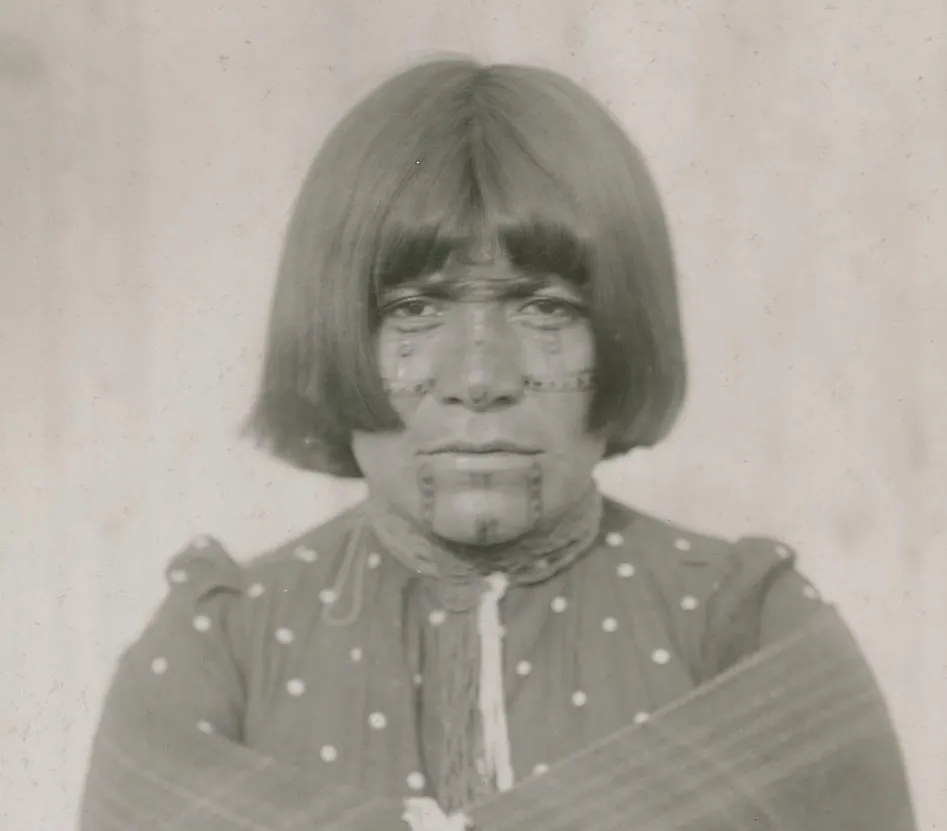
Within indigenous societies, tattooing is a deliberate means of communication that conveys intricate narratives about identity, connecting, belonging, and status. The expression of self-identification inspired early man through rites of passage, marriage, status within a tribe, lineage, and personal achievements related to war. Some Native tattoo traditions carried spiritual significance that extended far beyond decoration as certain designs were believed to carry spiritual power, offering protection and recognition from the spirit world. Among these designs were the sun, moon and stars and symbols that juxtaposed artwork found on ancient petroglyph paintings. Some specific designs were traditionally displayed only by men or women and are gender specific.
“Certain Ponca women were tattooed. Middle of the eyebrows, chief’s daughter.” – Tonette Ponkilla (Ponca, Otoe, Pawnee)
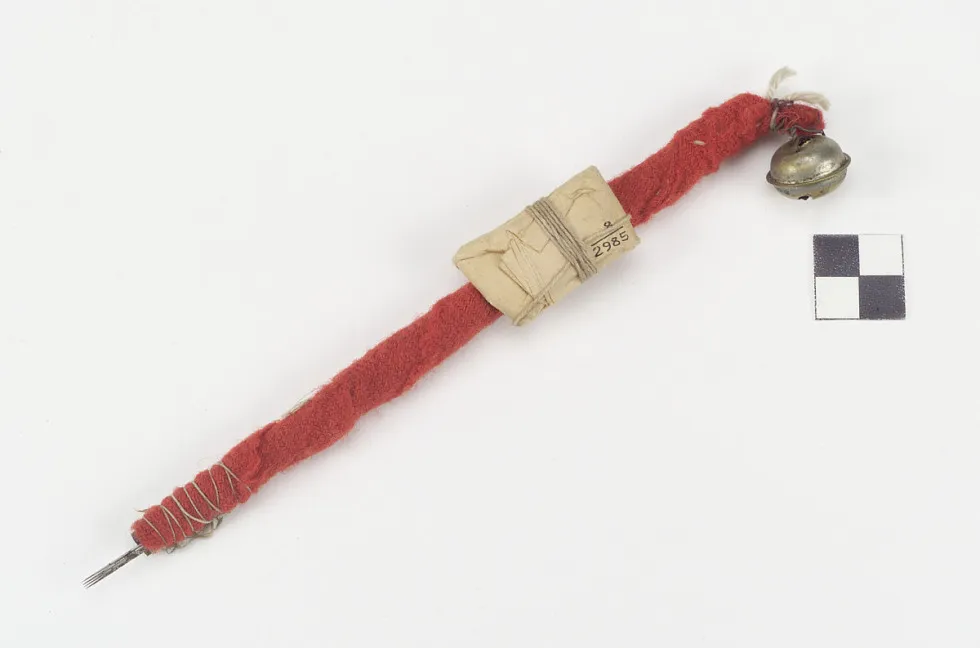
Among many Indigenous cultures, there were certain people that had the rights and privileges to tattoo individuals within their tribes, clans and societies. Traditionally, tattoo artists were often respected elders, spiritual leaders or individuals with specialized spiritual knowledge, guided by prayers, songs, and with a deep understanding of the power of the symbols that they produced. They often kept their tools and ink ingredients in personal bundles that were brought out only when it was time to feast their contents, utilize their tattoo skills or pass this rite to another tribal tattooist.
The most universal method of Indigenous tattooing is the stick-and-poke (also known as the hand-poking process) where needles constructed from sharpened stone, cactus spines; bird, fish and animal quills, bones and teeth, and later metal were dipped into colored pigments and poked or inserted into the skin. The pigments themselves were derived from environmental sources such as charcoal, soot from wood fires, crushed minerals including ochre and clay, and plant extracts that produced different shades of black, blue, brown and red. Then they were mixed with water, plant oils and animal fats to create a functional ink paste.
The arrival of Europeans to the Americas brought devastating changes to Indigenous cultures and contributed to the decline of traditional tattooing. Christianity and government policies further enforced assimilation as practices deemed pagan or savage were systematically suppressed. The 1883 Code of Indian Offenses (a.k.a. Religious Crimes Code), as well as institutionalized government and Christian Native boarding schools, forbade the practice of Native ceremonies including tattooing. Tattooing, along with ceremonial dances, language, and spiritual practices, became a target leading many Natives to abandon or hide their tattoos because of fear of judgement. In some Indigenous territories, knowledge of how to create tattoos became increasingly abandoned or lost due to limited fragmented information that threatened the survival of traditional tattooing techniques, especially when the scarcity of unbroken lineages of knowledgeable tattoo artists had passed away.
“From what I’ve been told, the San Carlos Apache did traditionally tattoo. However, with things impacting on us like globalization, this tradition seems to be dying off. There is a process to it. It’s something that’s sacred and should be taken seriously.” – Kayl Rainer (Taos Pueblo and San Carlos Apache)
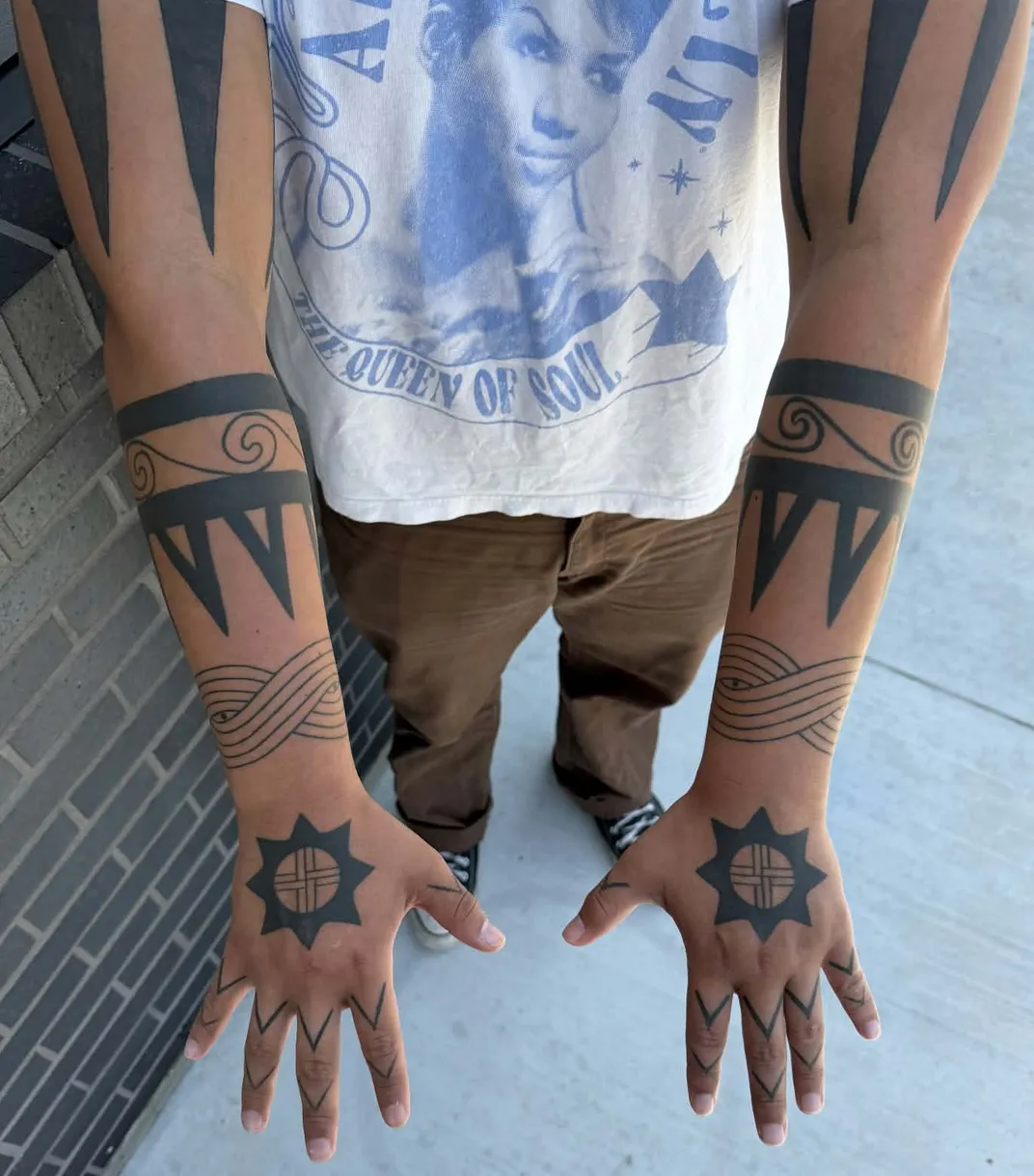
In the 1960s a resurgence of Native pride opened the way for many stagnant cultural practices to be resurrected by a new generation of activists and artists. Many young people during this era left their homelands and became acquainted with new experiences, especially in urban settings. In this new environment, Native pride was invigorated by a renewed desire to reclaim Native heritage, assert cultural sovereignty and heal from historical trauma. In recent years, there has been a resurgence of reviving the ancient art of tattooing as Native artists are relearning traditional designs, techniques and incorporating ancient symbolism into modern tattoo art. By doing so, Native people are reconnecting with their tribal identity, while adapting “inking” into contemporary aesthetics. Modern Native tattoos symbolize visual displays of links to a historical past, de-colonization, activism, and personal cultural and family connections.
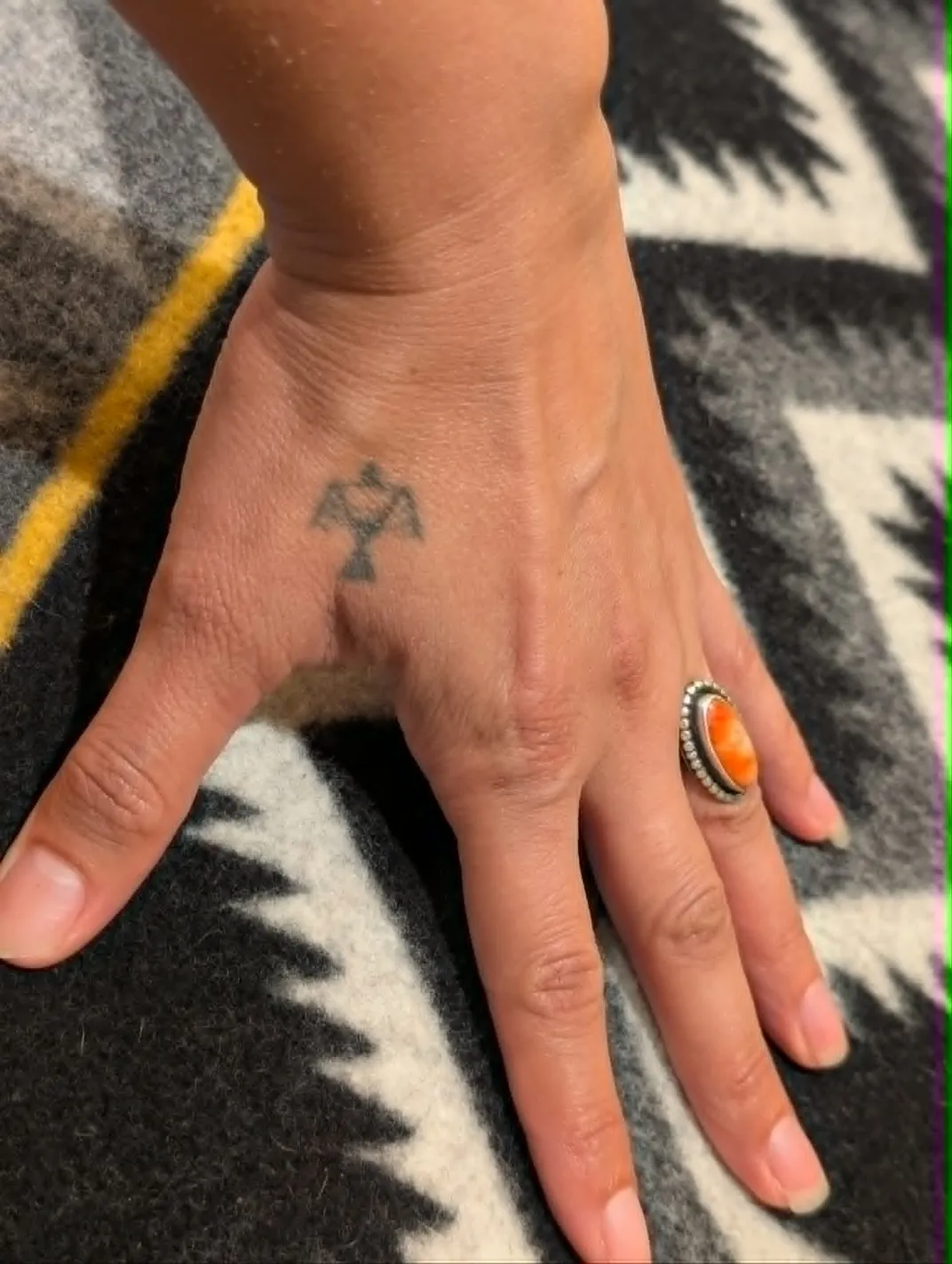
While the revival of Native tattooing is appealing, it faces new challenges. Indigenous tattoo designs now captivate tattoo enthusiasts worldwide with their philosophical spiritual meanings and stunning visual attractiveness. The issue of cultural appropriation through the commodification of tattoo designs and other Native artforms is a primary concern among Native people. Indigenous artists realize that these tattoos are not merely artwork that appear in reconstructed shapes, sizes, colors, designs, and styles. Rather they are deeply meaningful cultural expressions that should not be replicated by outsiders without proper understanding and permission from Native people reclaiming their own heritage. Legal protections in judicial court systems and copyright within tribal court systems need to be developed to safeguard indigenous tattoo designs from cultural appropriation, ensuring that such symbols are not replicated without consent, thus allowing indigenous communities to retain control over their intellectual cultural property.
In tattoo evolution, tribal tattoos have been repurposed where tribal identity can now be considered fashion statements that promote traditional Native beauty. By reviving these traditions, Native peoples ensure that the legacy of Indigenous tattooing endures, allowing future generations their inherent rites to reconnect and honor their ancestors. Moving forward, the future of Native tattooing is constantly evolving. It is a living art form that remains deeply rooted in ancient practices. In some instances, tattoos are powerful symbols of resilience, a testament to the enduring spirit of Indigenous peoples. They are also a visible declaration that by etched into living skin - designs that were once suppressed - can now be proudly reclaimed and displayed well into the future.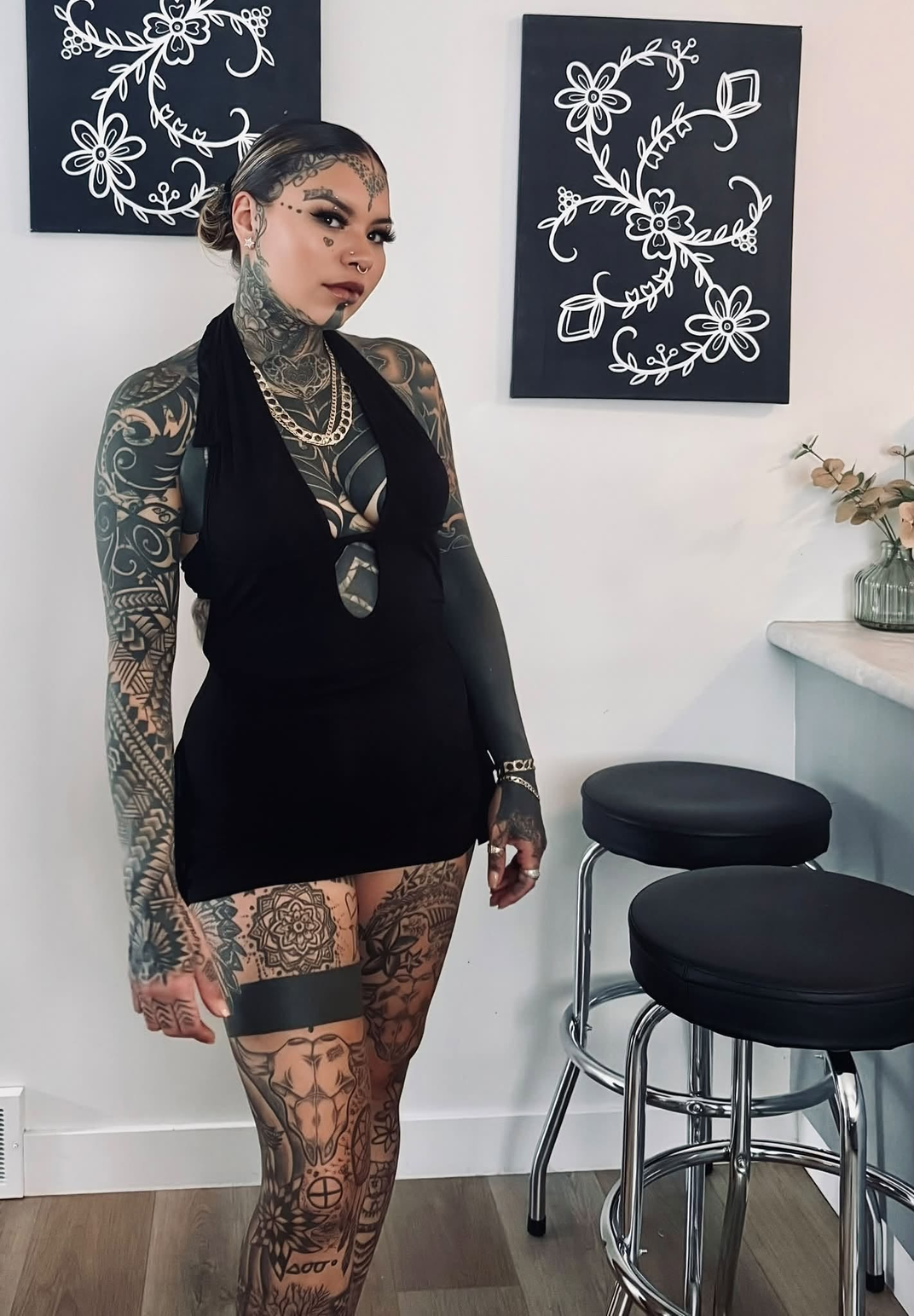
To learn more about Indigenous tattooing watch the offical trailer for official trailer for Skindigenous or listen to Inchunwa podcast episodes at linktr.ee/inchunwa.