• Smithsonian
    Institution
  • Travel
    With Us
  • Smithsonian
    Store
  • Smithsonian
    Channel
  • goSmithsonian
    Visitors Guide
  • Air & Space
    magazine

Smithsonian.com

  • Subscribe
  • History & Archaeology
  • Science
  • Ideas & Innovations
  • Arts & Culture
  • Travel & Food
  • At the Smithsonian
  • Photos
  • Videos
  • Games
  • Shop
  • Life Lists

The Beautiful and Bizarre Galapagos Islands

Evolution disciples and the merely curious can experience conspicuously adapted wildlife off the coast of Ecuador

| | | Reddit | Digg | Stumble | Email |
  • By Terence Monmaney
  • Smithsonian magazine, January 2008, Subscribe
View More Photos »
Galaacute;pagos Islands
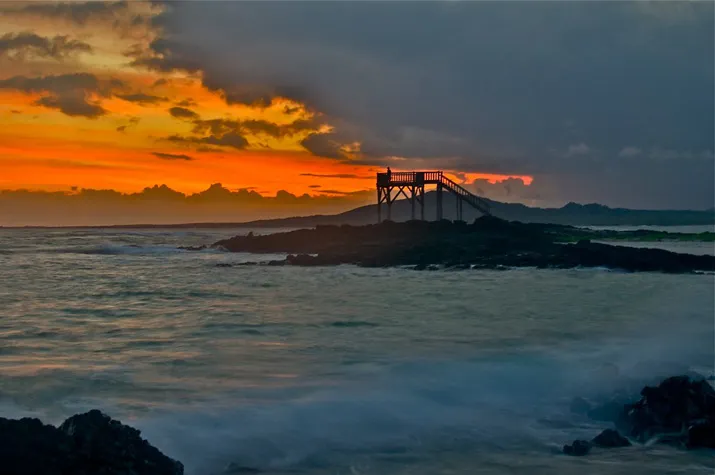
Galápagos Islands (Aiyana Paterson-Zinkand, iStockphoto)

Photo Gallery (1/5)

"On the equator in The Galapagos."

Explore more photos from the story

  • Discover the Galapagos with Smithsonian »

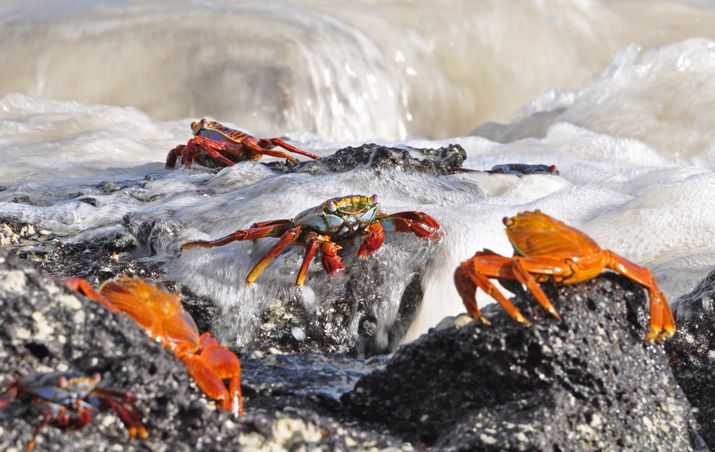
Giant tortoises lumber across the lava rocks, while iguanas defy desert stereotypes and plunge into the sea. The strange, conspicuously adapted wildlife that impressed Charles Darwin when he visited the Galápagos Islands in 1835—and that would later kindle his discovery of the process of evolution by natural selection—is still there. In fact, the Galápagos, 14 major and many smaller islands spanning the Equator 620 miles off the coast of Ecuador, remains the world's most biologically intact tropical archipelago.

But pollution, overfishing and development are harming efforts to conserve habitat and wildlife. A tourism boom is also taking its toll. The number of visitors has more than tripled in the past 15 years, to at least 145,000 in 2006. The islands are mostly under the control of Galapágos National Park, which restricts access to designated areas. Still, people over the years have unwittingly or deliberately introduced invasive life-forms that can undermine the natural order—some 750 alien plant species and 490 insect species, according to a 2007 report by the Charles Darwin Foundation. Scientists warn that the damage could be irreversible.

And yet the islands beckon. Evolution disciples should tread lightly, says Heather Hansen, co-author with Kimberly Lisagor of the soon-to-be published book Disappearing Destinations. To minimize the "Caribbeanesque chaos" of "uninvested tourists just stopping by for a day or two during a megacruise," Hansen recommends that travelers enlist only "outfitters that have a proven record of both environmental protection and a focus on enhancing the lives of the people who live there."
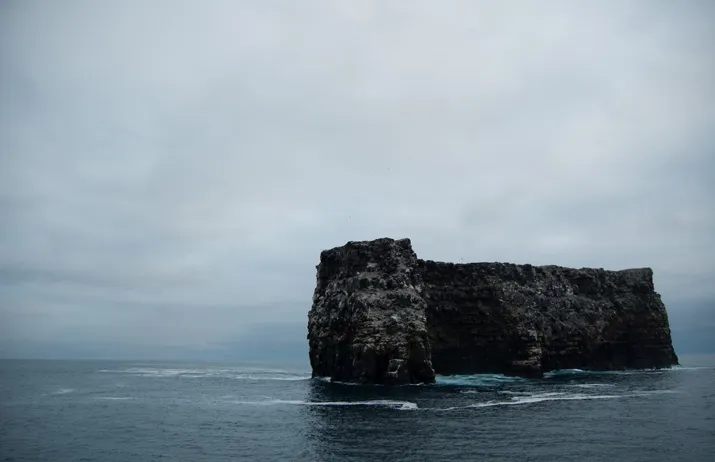
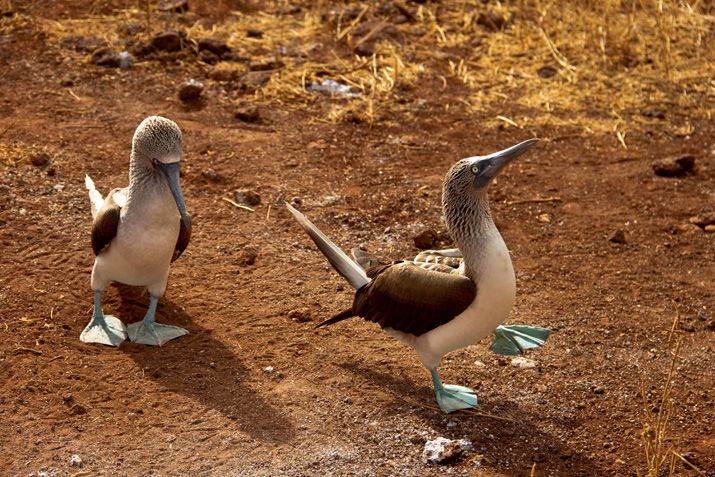
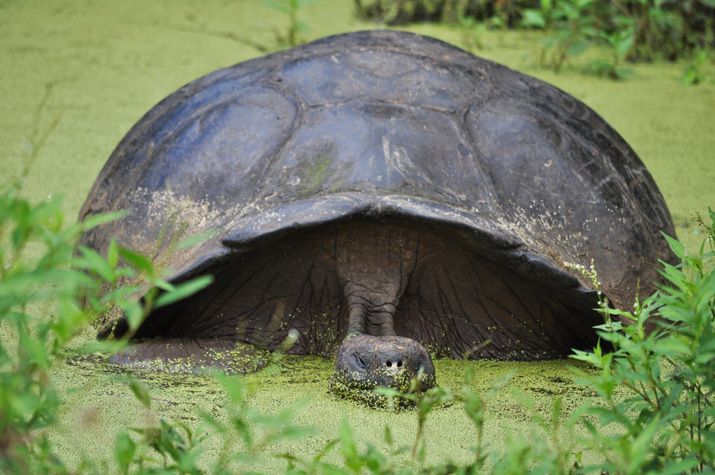
Giant tortoises lumber across the lava rocks, while iguanas defy desert stereotypes and plunge into the sea. The strange, conspicuously adapted wildlife that impressed Charles Darwin when he visited the Galápagos Islands in 1835—and that would later kindle his discovery of the process of evolution by natural selection—is still there. In fact, the Galápagos, 14 major and many smaller islands spanning the Equator 620 miles off the coast of Ecuador, remains the world's most biologically intact tropical archipelago.

But pollution, overfishing and development are harming efforts to conserve habitat and wildlife. A tourism boom is also taking its toll. The number of visitors has more than tripled in the past 15 years, to at least 145,000 in 2006. The islands are mostly under the control of Galapágos National Park, which restricts access to designated areas. Still, people over the years have unwittingly or deliberately introduced invasive life-forms that can undermine the natural order—some 750 alien plant species and 490 insect species, according to a 2007 report by the Charles Darwin Foundation. Scientists warn that the damage could be irreversible.

And yet the islands beckon. Evolution disciples should tread lightly, says Heather Hansen, co-author with Kimberly Lisagor of the soon-to-be published book Disappearing Destinations. To minimize the "Caribbeanesque chaos" of "uninvested tourists just stopping by for a day or two during a megacruise," Hansen recommends that travelers enlist only "outfitters that have a proven record of both environmental protection and a focus on enhancing the lives of the people who live there."
    Subscribe now for more of Smithsonian's coverage on history, science and nature.

← Previous
An Illuminated View of Iguazu Falls
Smithsonian Life List:
43 Places to
See Before You Die
Next →
Machu Picchu
Machu Picchu's Ancient Beauty

Related topics: Travel Ecuador


| | | Reddit | Digg | Stumble | Email |
 

Add New Comment


Name: (required)

Email: (required)

Comment:

Comments are moderated, and will not appear until Smithsonian.com has approved them. Smithsonian reserves the right not to post any comments that are unlawful, threatening, offensive, defamatory, invasive of a person's privacy, inappropriate, confidential or proprietary, political messages, product endorsements, or other content that might otherwise violate any laws or policies.

Comments (1)

why is this place so intresting xDDDD

Posted by yo mama on January 12,2011 | 02:05 PM

Thank you for encouraging the world to take a moment and see these wonders of the world. It has allowed me to realize how many I have seen. Also, to gather my friends and go and see the rest. So much to see and so little time. Above all do it as basic as possible or you will miss the local flavor that is what makes travel so much fun. Fancy hotels are fine, but do not let yourself be shielded from the real life of the local area.

Posted by Jim M. Muellner on January 8,2008 | 10:56 PM


Advertisement


Galapagos

Most Popular

  • Viewed
  • Emailed
  • Commented
  1. The 20 Best Small Towns in America of 2012
  2. For 40 Years, This Russian Family Was Cut Off From All Human Contact, Unaware of WWII
  3. The 20 Best Small Towns to Visit in 2013
  4. Seven Famous People Who Missed the Titanic
  5. The Scariest Monsters of the Deep Sea
  6. 16 Photographs That Capture the Best and Worst of 1970s America
  7. Why Are Finland's Schools Successful?
  8. 8 Famous People Who Missed the Lusitania
  9. We Had No Idea What Alexander Graham Bell Sounded Like. Until Now
  10. The 20 Best Food Trucks in the United States
  1. For 40 Years, This Russian Family Was Cut Off From All Human Contact, Unaware of WWII
  2. Savoring Pie Town
  3. The Grand Women Artists of the Hudson River School
  4. A Triumph in the War Against Cancer
  5. We Had No Idea What Alexander Graham Bell Sounded Like. Until Now
  6. Never Underestimate the Power of a Paint Tube
  1. Photo of the Day: Family in Karaj, Iran
  2. Vermont's Venerable Byway
  3. Are Babies Born Good?
  4. Where Was the Birthplace of the American Vacation?
  5. The True Story of the Battle of Bunker Hill
  6. A Brief History of Chocolate
  7. Who Was Cleopatra?
  8. How to Save the Taj Mahal?
  9. The Gruesome History of Eating Corpses as Medicine
  10. How Dolley Madison Saved the Day

View All Most Popular »

Advertisement

Follow Us

Smithsonian Magazine
@SmithsonianMag
Follow Smithsonian Magazine on Twitter

Sign up for regular email updates from Smithsonian.com, including daily newsletters and special offers.

In The Magazine

May 2013

  • Patriot Games
  • The Next Revolution
  • Blowing Up The Art World
  • The Body Eclectic
  • Microbe Hunters

View Table of Contents »


First Name
Last Name
Address 1
Address 2
City
State   Zip
Email


Smithsonian Store

Jazz: The Smithsonian Anthology

Item No. 10447


View full archiveRecent Issues


  • May 2013


  • Apr 2013


  • Mar 2013

Newsletter

Sign up for regular email updates from Smithsonian magazine, including free newsletters, special offers and current news updates.

Subscribe Now

About Us

Smithsonian.com expands on Smithsonian magazine's in-depth coverage of history, science, nature, the arts, travel, world culture and technology. Join us regularly as we take a dynamic and interactive approach to exploring modern and historic perspectives on the arts, sciences, nature, world culture and travel, including videos, blogs and a reader forum.

Explore our Brands

  • goSmithsonian.com
  • Smithsonian Air & Space Museum
  • Smithsonian Student Travel
  • Smithsonian Catalogue
  • Smithsonian Journeys
  • Smithsonian Channel
  • About Smithsonian
  • Contact Us
  • Advertising
  • Subscribe
  • RSS
  • Topics
  • Member Services
  • Copyright
  • Site Map
  • Privacy Policy
  • Ad Choices

Smithsonian Institution